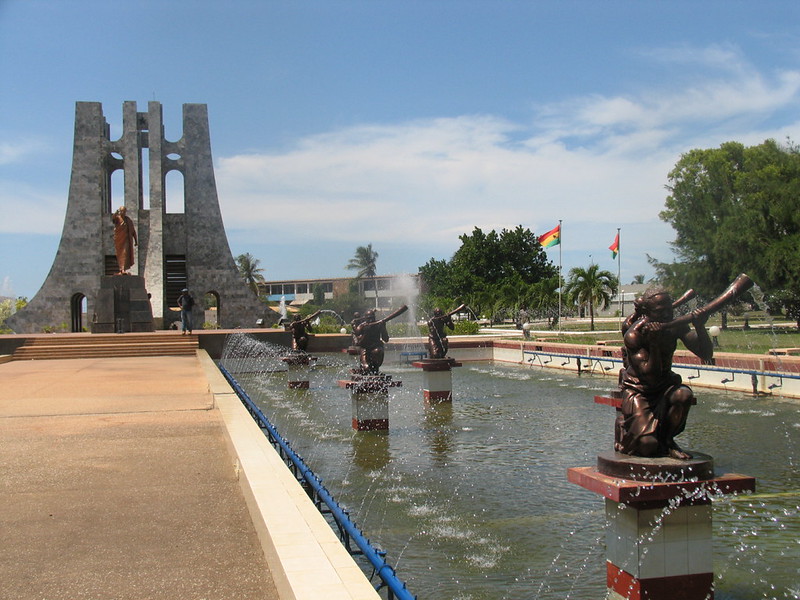
(Kwame Nkrumah, Revolutionary, First President of Ghana and Lincoln University Alumni, Mausoleum, at Accra Ghana . Photo courtesy of Retlaw Snellac via Flickr.)
For African Americans, the opportunity to have a life in Africa again, after surviving the Middle Passage and Trans-Atlantic Slave Trade, is more than a mere adventure. It is a second chance at a life interrupted; a reunion with a spiritual and cultural anchor that was violently ripped away from them; and an opportunity to start afresh.
The West African country of Ghana has become notable for welcoming the African Diaspora back home. After 2019’s Year of Return, when former president Nana Akuffo-Addo began giving African descendants of chattel slavery Ghanaian citizenship, African Americans continued repatriating, and are also settling in other African countries, notably Sierra Leone, Tanzania and Kenya.
Accessing and meeting basic livelihood needs can be barriers for those seeking true resettlement. Financing the purchase of land and the building of homes in Ghana can be challenging, and horror stories of repatriates being bamboozled by people on the ground have deterred some repatriates from building on the continent while away.
In an effort to provide resources for potential repatriates, FunTimes Magazine spoke with Ghana-, Missouri-, and Philadelphia-based entrepreneurs to learn about pathways for African Americans to achieve sustainability in Ghana, including spiritual reconciliation, job and entrepreneurship opportunities, housing, and access to finance.
Spiritual Reconciliation and Social Entrepreneurship
Diallo Sumbry is a DC native, co-owner of the Adinkra Group and author of the SMART Ghana Repatriation Guide. He is also the creator of the Birthright Journey Tours, a carefully curated voyage experience for African Diasporans to reconnect with Ghana’s culture, history, and present. Recalling the beginning of his travels to Ghana and his ‘Birthright Journey Tours’, Diallo says, “I was just trying to figure out how we get more young African Americans, 35-45, to Ghana. I saw a lot of older people, but not a lot of us.”
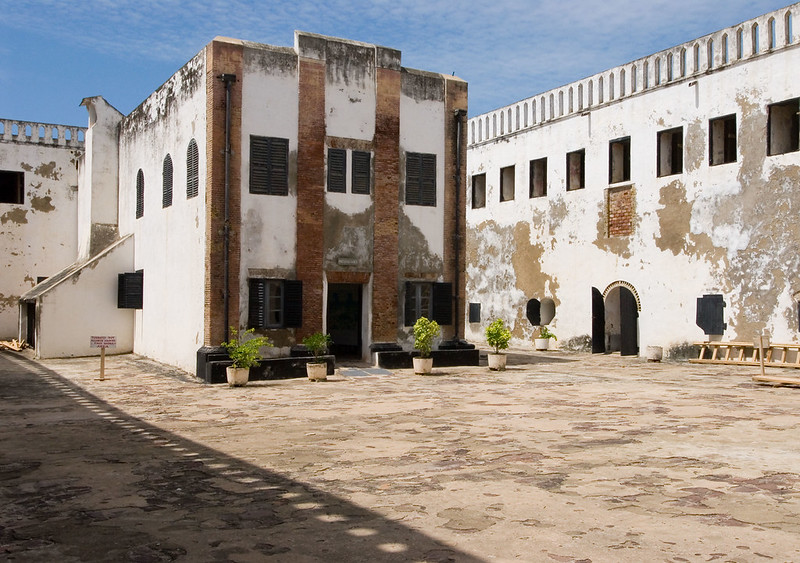
(Elmina Slave Castle. Elmina, Ghana. Photo Courtesy of BdinPheonix via Flickr.)
Noting the importance of intentionality with the Birthright Journey tours, Diallo says: “If you are a person of African descent (visiting Ghana), it automatically becomes a birthright journey, whether you intend it or not.”
Diallo recalls Ghana’s 2019 ‘Year of Return’ as a continuation of the idea of the late J.O. Obetsebi-Lamptey, Ghana’s Minister of Tourism and Modernization of the Capital City, titled the ‘Joseph Project’. This 2007 initiative was designed to restore an African identity for the descendants of the slave trade, focusing on pilgrimage, identity, education, culture and tradition, land ownership, the modern ‘Joseph’ of today (inspired from Joseph in the Bible), a genetic database map, the diasporan visa, the African Excellence Experience, and re-establishing Ghanaian landmarks to incorporate the work of African diasporans.”
Describing his book, Diallo says: “In 2021, I wrote ‘A SMART Ghana Repatriation Guide’. All of the rumors and misinformation about coming to Ghana made me put down the mileage I had in the book. It has over 100 dynamic QR codes, so as you are reading the chapters, you can scan them and go deeper on the subject.”
In addition, Diallo also created the Black Star Resource and Repatriation Center www.blackstarcenter.com, headquartered in Accra, Ghana.
Diallo describes his services:
“We’ve been moved to be able to help people who want to repatriate. We’ve created an online repatriation course. It’s a membership-based program. A big part is providing information in an easily digestible format, and we’ve turned them into colorful infographics that people can download. The other thing we do is we have short-term housing. If you are gonna be here for a while, and you need to get your footing, you need a place to operate out of while you decide what part of Ghana you want to buy in, do I want to buy or rent, etc”.
On the social aspect of being an African American in Ghana, Diallo says, “I served as the president of the African American Association of Ghana for 2 years, and I am a member of Omega Psi Phi fraternity. You got to find your tribe. It’s just like the US.”
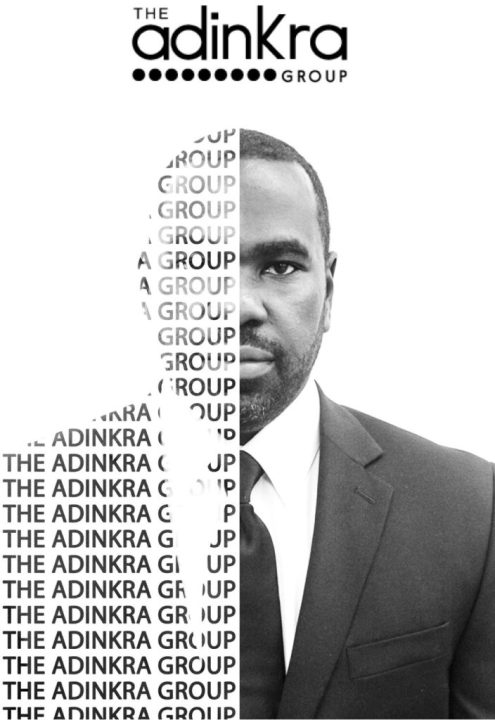
(Diallo Sumbry of the Adinkra Group).
Describing his experience creating economic opportunity, he says, “It’s a journey, creating employment, creating jobs. I think that we do that specifically in a couple of ways. Number one, through our tourism company, the Adinkra Group, we create economic impact by bringing groups of people here who spend money, whether that’s a group of 5 people or 500.”
Entrepreneurship opportunities abound. Diallo says: “I would love to see more African centered institutions, public or private schools, or hybrid schools, that use some kind of African centered curriculum.”
Diallo suggests potential expats search the Ghana Investment Promotion Centre, where “you can see that there are a number of businesses and industries that are booming. Real estate, agriculture, fintech, coding and AI, tourism, hospitality, the food sector, restaurants, and training. I think we need to pool our money together and do more investing in smaller communities outside of the cities: (such as) agricultural processing plants, or a canning factory.”
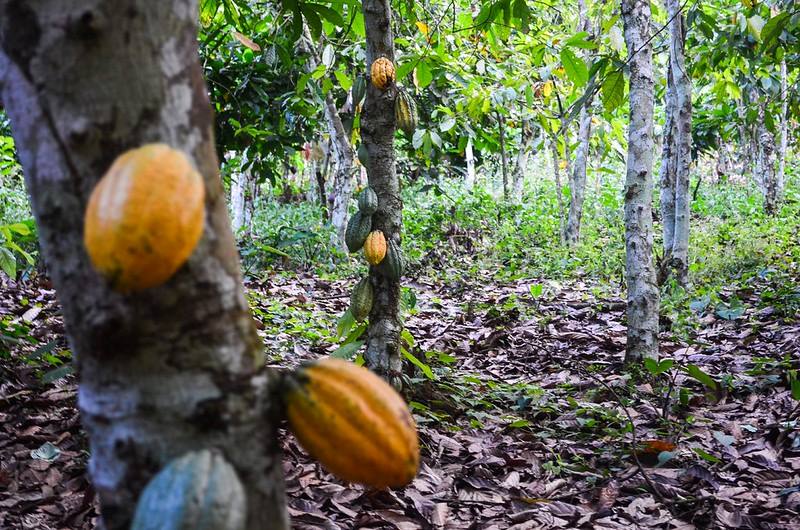
Cocoa farm in Ghana. Photo Courtesy of Jbdodane via Flickr.
In his experience hiring in Ghana, Diallo notes: “There’s definitely cultural differences and some learning curves, with regards to expectations, depending on where and who you hire, and teaching, depending on what your professional expectations are. There are tons and tons of people (in Ghana) looking for work…you have to invest a lot in training to bring a lot of people up to speed.”
Explaining industrial opportunities, he says, “Most countries in Africa don’t manufacture what they grow. If you can bring a canning factory, then you can can your own tomatoes and can your own pineapples. Cocoa is one of Ghana’s largest crops, but cocoa is being exported. What if we had enough processing plants here to process the cocoa to go from the bean to the bar? Imagine if a company like Nestle was actually produced here and was shipped from here to the rest of the world”.
“The opportunities are here. For entrepreneurs who have done business at home and understand it, I think it can be a good place to find success and happiness, being part of the majority. Some of the markets we are locked out of in the US are open to us here.”
Diallo’s advice for people who want to start a business or contribute to an industry is: “Look at the industries, come visit, understand the culture and the protocol, and understand the vibe here.”
Resources for Housing
Jobomax, a Philadelphia, PA, U.S.- based home builder company, blends finance and technology to provide people with remote access to home development.
The company, formerly known as American Homebuilders of West Africa, describes itself as ‘a vertically integrated housing / housing finance / proptech platform, addressing the housing deficit in Africa.’ The company was created in 2014 by Robert Hornsby, a U.S.-based social entrepreneur; the late Guinean-born engineer Mamady Doumbouya; Franck Tcheukado, a Cameroonian-born Finance/Real Estate Expert; and Jonathan Halloran, a U.S.-Baseded Civil Engineer.
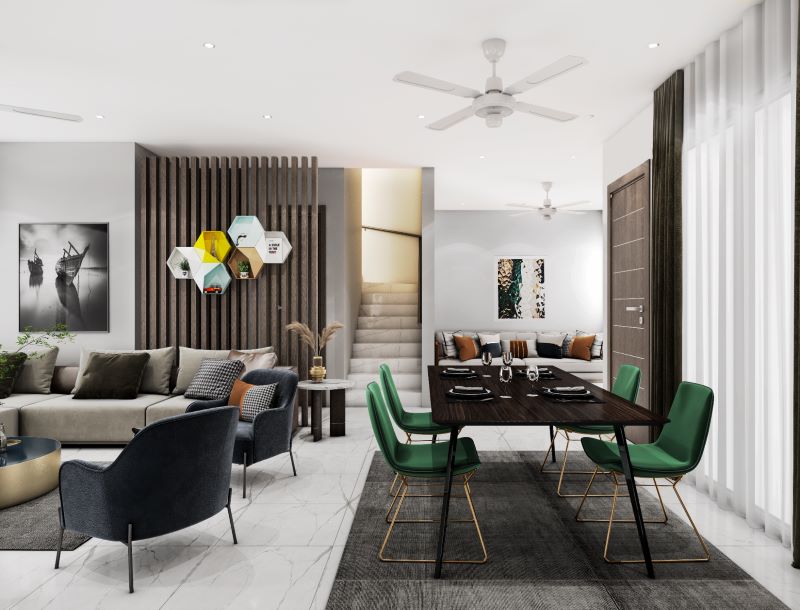
Courtesy of Jobomax
Robert Hornsby, Co-founder of Jobomax, says: “Jonathan and I served in the Peace Corps together in Cote d’Ivoire, 1993-1995, and I met Mamady in Philadelphia in 2004, which led to our co-founding Jobomax and entering the housing business in 2014. John and Franck co-founded Kado Partners in 2019, which then merged with Jobomax in 2025.”
Moussa Doumbouya, who is a Legacy Investor and the son of Mamady Doumbouya, says the impetus of the company’s creation was to design “a reliable way for individuals that want to build in Africa, and invest in themselves in Africa, without being there physically.” Currently, Jobomax, which Robert calls ‘the most trusted homebuilder in West Africa’, has built more than 150 homes, and services Guinea, Ghana, Sierra Leone and Cameroon.
For continental Africans in the diaspora and African Americans, overcoming barriers to trust can be a hindrance, as it is common for people to send money home to build houses and have people on the ground swindle or mismanage the funds sent.
With 30% down payments and $100k-$179k approximate home prices for the Ghana homes, Jobomax provides people outside of Africa with the ease of transparency and trust.
Marisa Deku, Sales Manager of Jobomax Ghana, says, ” Every week you get reports and photos of the site. We have an integrative technology platform where you make your payments, and also follow the progress. You see it first-hand. It’s very clear, it’s very transparent. You have access to us, the customer sales team, and in Ghana, you have access to me.
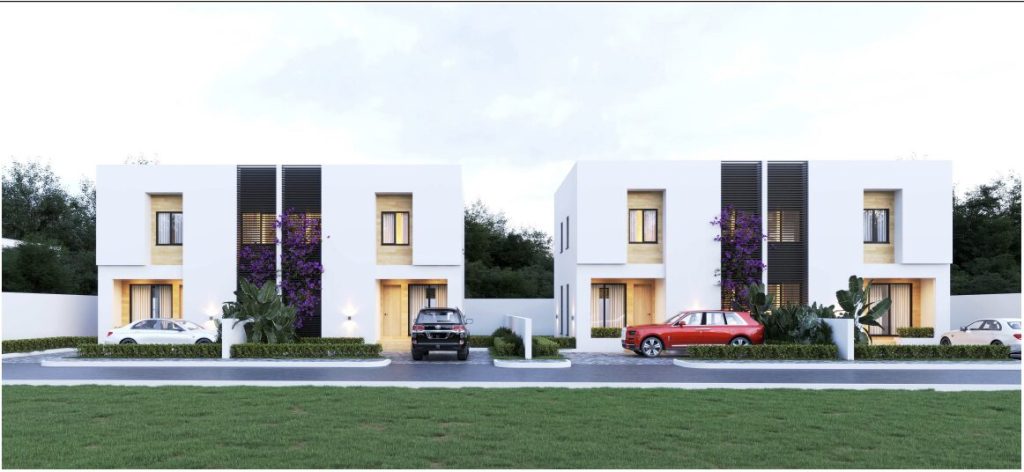
Jobomax’s Philadelphia Model, Courtesy of Jobomax
Keith Williams of the Greenwich Hazleton LLC Group, a partner of Jobomax, worked with the company to build the ‘Philadelphia Model’. Keith, 100% Black American, started traveling to Ghana in 2019. Keith talks about difficulties building in Africa: “It can be difficult, especially if you have experience building in the States, where the regulatory environment and the building title is a much cleaner process than working in West Africa, where title can be a big issue. I know Jobomax has invested a lot of time, specifically in Guinea, perfecting titles, just to make sure that our customers get what they pay for and we’re able to deliver a solid product.”
The biggest challenge for people who want to build homes in West Africa, Keith says, is financing: “You may find a bunch of investors in the continent who can build you a quality home, but they can’t build you a home and finance it as well. Typically, what you see on the market is 12-month terms, you put a 30% down payment, you pay it off within a short period of time, and that’s not realistic, for most consumers that we encounter, they need financing to move the needle.”
With a 12% interest rate, Jobomax’s loans are usually a 10-year period.
Noting the systemic barriers to financing that African Americans have faced, Marisa says: “Jobomax is trying to create a stress-free process for African Americans who are trying to come home.”
The financing process with Jobomax can be likened to getting a mortgage at a US-based institution, Keith says: “This whole process works similar to any process you would encounter at a US bank. You would apply, and there’s a formal underwriting process where financial statements and bank statements are reviewed. The company looks at credit to make decisions. We require a 30% down payment. If someone’s able to put 30% down, that’s a serious buyer. We start to build the home, and once we build the home, you take ownership, you take the keys, and you make the payment.”
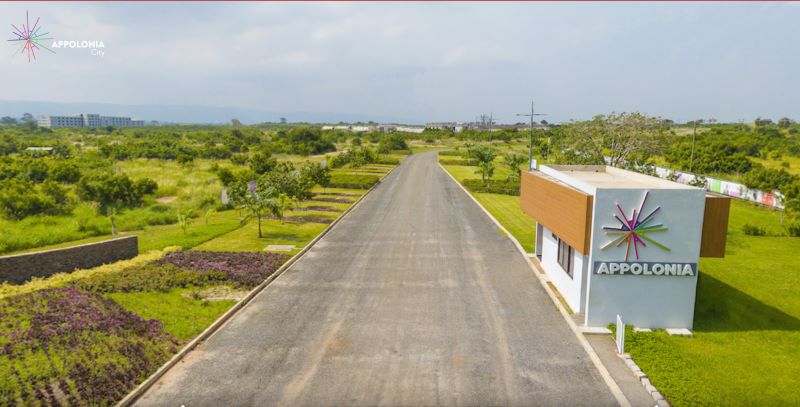
Jobomax’s Appalonia City Development, Courtesy of Jobomax
Regarding pricing, Marisa says: “In a Ghana context, we’re trying to provide options. Our main project at Apollonia City in Accra is The Philadelphia House. It’s a 3 or 4 bedroom, depending on how you design it, with a base of $159k, going up to $175k and possibly more, depending on your options. We’re now finalizing an option for closer to $100k: at about $30k down and over 10 years, it’s about $1000 a month. We guarantee 11-13 months (completion time). One thing we do, as far as financing, is similar to the US, where we put a lien on the title until the final financing is paid.”
In describing Jobomax’s impact, Moussa says: “We are building for the diaspora and local residents. Our target audience is in Europe, North America, and Australia…We are looking forward to the opportunity to grow with the historical diaspora, and the local market”.
Access to Finance and International Banking
Dr. John Dassou is the National Director of the African Diaspora Federal Credit Union, headquartered in St. Louis, Missouri. He says the African Diaspora Federal Credit Union was created because access to “financial capital is lacking in our community.”
Comparing the collective economic possibilities of various demographics, Dassou says about the diaspora: “Why not get together the way other communities do, for example, the Jewish community, the Latino community, and so forth”. Noting the mission and impact of the African Diaspora Federal Credit Union, he further says: “The African diaspora is around the world. Our goal is to make financial capital accessible to underserved communities everywhere. The charter we have received allows us to do business everywhere in the world, from here in the United States down to our continent, Mama Africa.”
“The short goal is to be able to open a credit union here, with bases in every state. The long-term goal is to go back to Africa, so we can make this work on the African continent as well.”
Dr. Dassou notes that many people of the African diaspora struggle financially in America, and that they have helped save a credit union member’s house from foreclosure, and also provide financial literacy services. Recounting barriers to achieving their impact, he says, “Some people don’t want to do business with Africans. This is a federally organized credit union. We are in compliance with the federal government.”
Regarding remittance, or international money transfers, “We make it easy. If you are here in the United States and you have an account with us, you have to have your family member open his or her account from overseas. You just go online or go on your mobile, and transfer the money from your account to your family member’s account, without any charge.”
If you are an African American considering relocating to Ghana, explore these resources as you ponder your next move. Learn about opening an account at the African Diaspora Federal Credit Union here: https://adfcu.org/. For housing resources, learn more about Jobomax’s work at https://africa-housing.com/. Access spiritual reconciliation through the Birthright Journey Tour from the Adinkra Group at https://theadinkragroup.com/ and check out the SMART Ghana Repatriation Guide at Amazon.
What African country are you most interested in visiting? Comment below.
Citations
https://www.africa-ata.org/gh9.htm
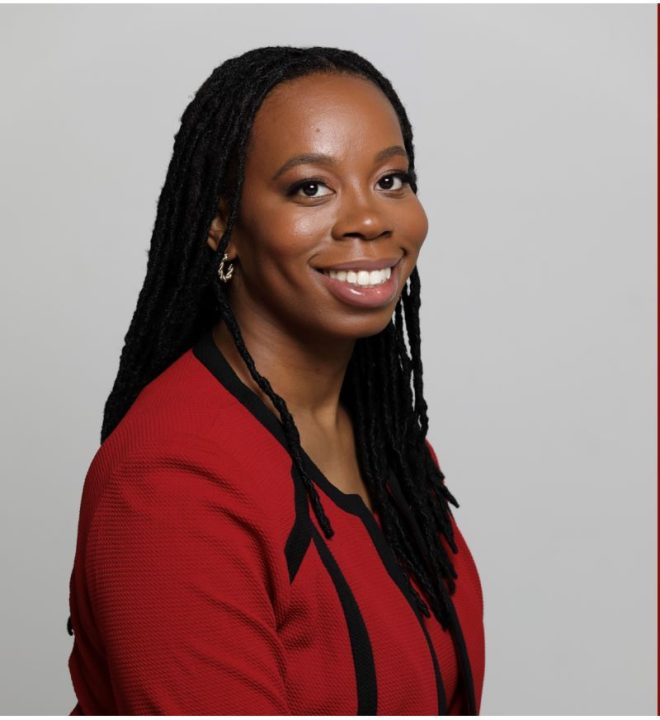
Ama Addo is a Philadelphia based, Ghanaian-American realtor and multi-media storytelling artist. Learn about how she helps ambitious millennials access wealth through real estate at www.amarealestateagent.com, and explore her storytelling at asieduasimprint.com.