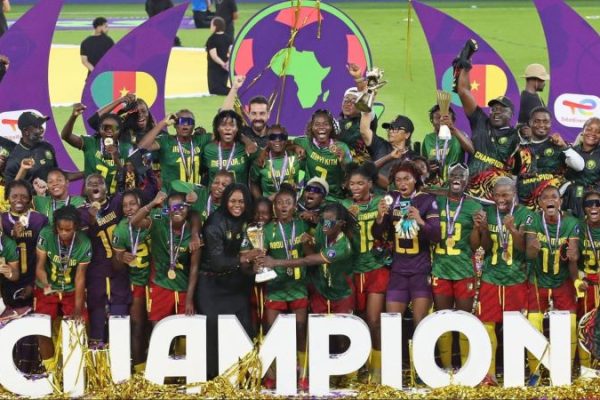
Cameroon Wins First WAFCON Title
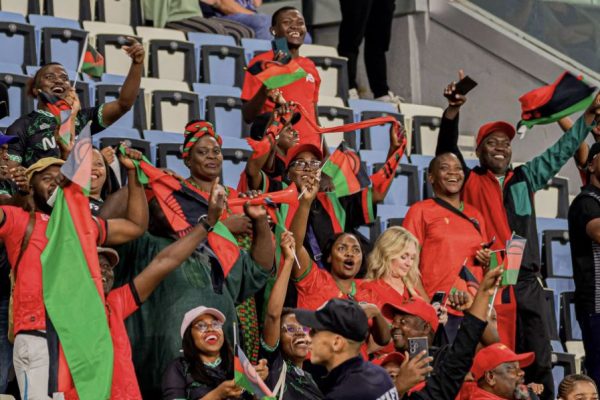
In a final that will be remembered as one of the defining moments in African women’s football, Cameroon defeated Malawi 3–0 in Rabat, Morocco, to win their first-ever WAFCON title.
African teams have turned international and national competitions into cultural archives, places where tradition, music, and team spirit blend into something unforgettable. Every now and then, a team arrives and reminds us that football is not only about tactics and scorelines, but also about joy, identity, and culture.
When WAFCON 2026 begins in Morocco, 16 national teams will arrive dreaming of continental glory. Only one will leave with the trophy, but throughout the competition, individual brilliance will produce new heroes, unforgettable goals and stories that extend beyond the final whistle.
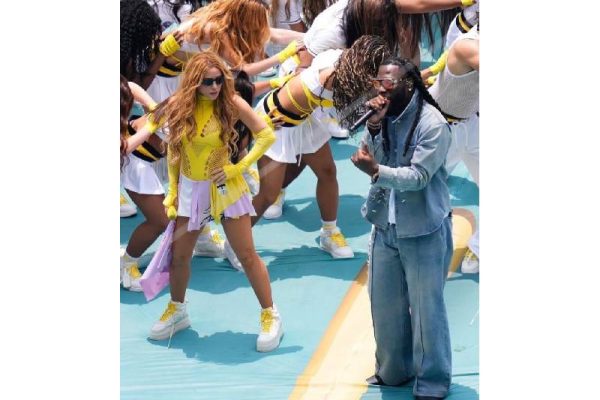
In 2010, the world’s attention turned to South Africa when the FIFA World Cup was staged on the African continent for the first time. Africa rose to the occasion and helped deliver one of the most memorable World Cup anthems in history with “Waka Waka (This Time for Africa),” performed by Colombian singer Shakira and featuring the South African band Freshlyground. The song united fans from across the world while celebrating Africa’s first World Cup.
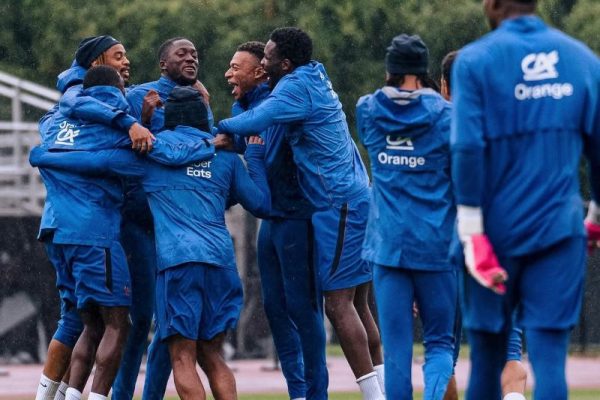
Every four years, the world stops for a month of football. At the 2026 World Cup, Africa arrived in force, with a record 10 nations playing across North American stadiums, a sign of the continent’s rising power and growing depth. While a historic contingent of African nations made it to the tournament, a familiar conversation is bubbling up: why are some of Africa’s brightest lights shining for nations that weren’t the birthplace of their ancestors?
July 2026 is not a month for sentimentality. It is a month for judgment. The Phillies’ published calendar opens with two home games against Pittsburgh, then turns into a road trip through Kansas City, Cincinnati, and Detroit before the All-Star break, and after that, it moves straight into a second-half stretch against the Mets, Dodgers, Yankees, Marlins, and Orioles.
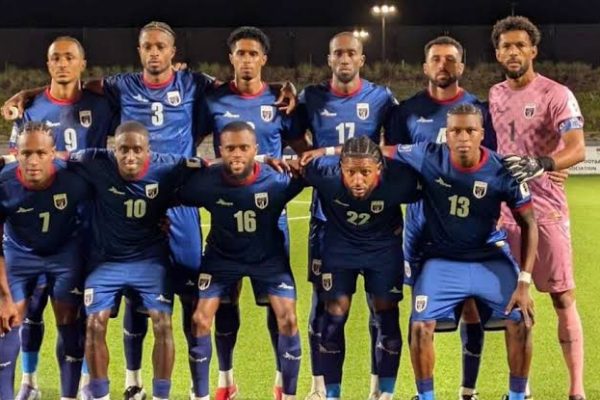
If someone had told you a month ago that Argentina, the defending world champions, led by Lionel Messi and packed with some of the finest footballers on the planet, would need extra time to knock out Cape Verde, you probably would have smiled politely and changed the subject.
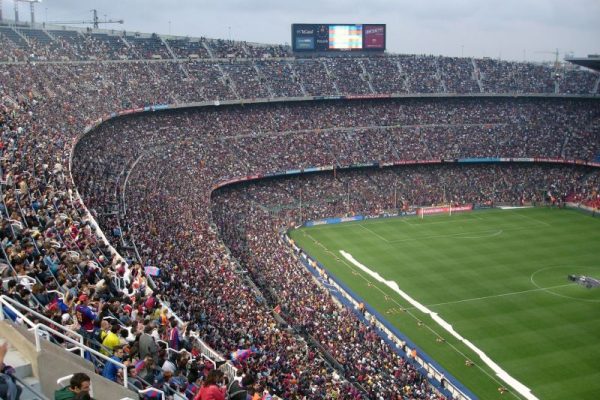
The FIFA World Cup 2026 has made history, breaking the all-time tournament attendance record previously set at the FIFA World Cup USA 1994.
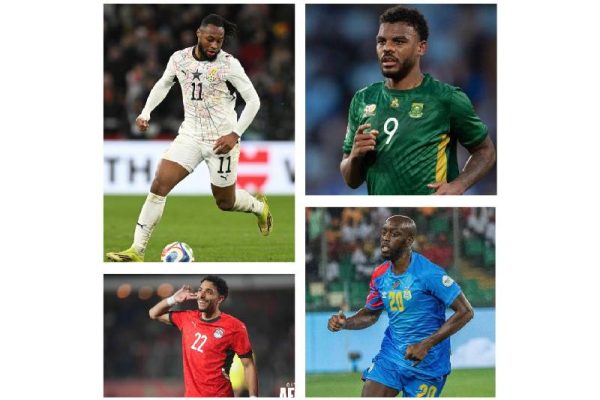
In many ways, Africa’s influence on the tournament may extend far beyond the teams wearing African jerseys. By the time the final whistle blows, African players could have played decisive roles in determining who lifts the trophy, who reaches the latter stages of the competition, and how this World Cup is ultimately remembered.
The World Cup has brought the diaspora’s deep footprint into sharp relief, exposing a complex interplay between local immigrant commerce, global corporate machinery, and the rigid realities of United States immigration policy.