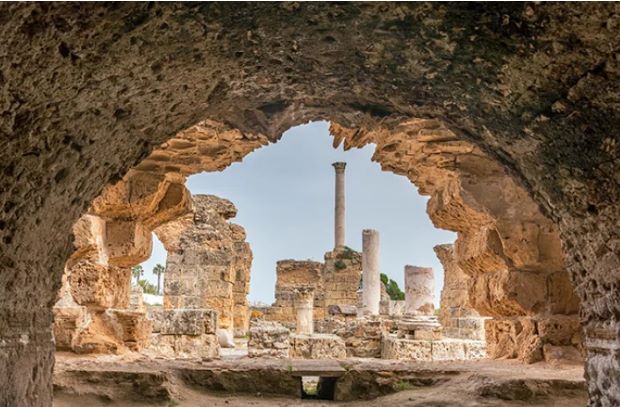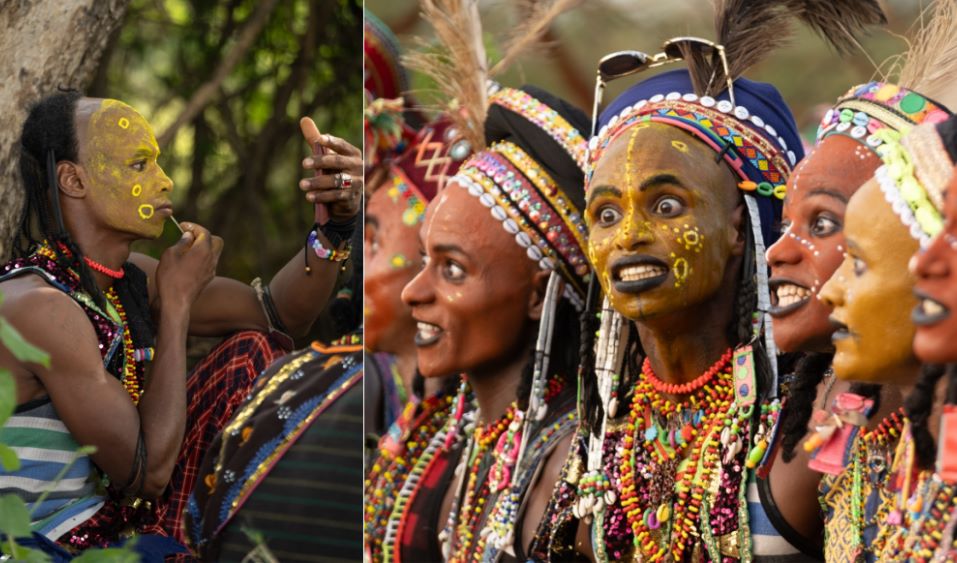
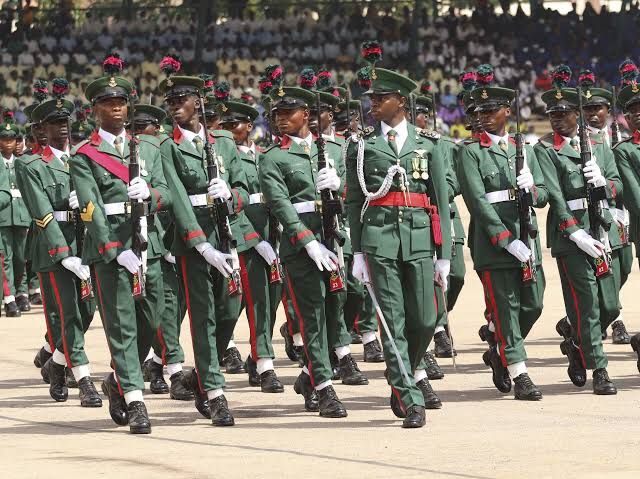
Source: Sputnik Africa
For many people across the African diaspora, July is synonymous with summer holidays, family reunions, and festivals. But did you know that July is also a month of historical significance for Africa? It is a month of independence anniversaries for several African countries that fought tirelessly to reclaim their sovereignty from their colonial masters.
These celebrations are more than dates on a calendar; they are reminders of courage, resilience, and the enduring spirit of African people. They tell a story that belongs to all of us.
Join us as we take a look at the celebratory days of African nations that gained their freedom in July.
July 1: Somalia, Rwanda, and Burundi
Three countries, one date, three completely different stories. Somalia kicked things off on July 1, 1960, when British Somaliland and Italian Somaliland merged into one independent nation. However, British Somaliland in the north achieved its independence first, on June 26, 1960, and five days later, on July 1, it united with the newly independent Trust Territory of Somaliland to create the Somali Republic, with Mogadishu as its capital. This act of unification gave the date its dual meaning as both Independence Day and Unification Day.
Somalia’s Independence Day is a moment to honour the nation’s long journey to freedom, a history shaped by resilience, sacrifice, and unity. Each year, the celebration not only reflects on the past but also strengthens the collective commitment to peace, progress, and national pride. The occasion is celebrated with great enthusiasm across the country. Somali diaspora communities worldwide organize cultural events and fundraisers, with local businesses like Somali restaurants and markets offering special promotions that celebrate their heritage.
Exactly two years later, on July 1, 1962, Belgium let go of its grip on the territory of Ruanda-Urundi, resulting in the birth of two independent nations: Rwanda and Burundi. The day is a public holiday across Burundi and is observed with parades, drumming, speeches, and cultural celebrations. Known for its vibrant drumming traditions and breathtaking landscapes, Burundi’s journey has been marked by both challenges and remarkable resilience. Burundian communities and embassies around the world also mark the occasion, making it a day observed well beyond the country’s borders. Today, the country continues to rebuild while celebrating one of Africa’s richest cultural heritages.
On the other hand, the government of Rwanda does not celebrate its independence with large public festivities. Instead of Independence Day, the country holds massive, joyous national celebrations just a few days later. So, on July 4, while Americans celebrate their independence, Rwandans are celebrating Liberation Day (Kwibohora), commemorating the day in 1994 when rebel troops marched into the capital Kigali and ended a genocide against the country’s Tutsi minority. Rwanda has become one of Africa’s most remarkable success stories. From clean cities and digital innovation to conservation and tourism, the country has transformed itself into a model of economic growth and stability. For many Africans in the diaspora, Rwanda has become a destination for investment, business, and reconnecting with ancestral roots.
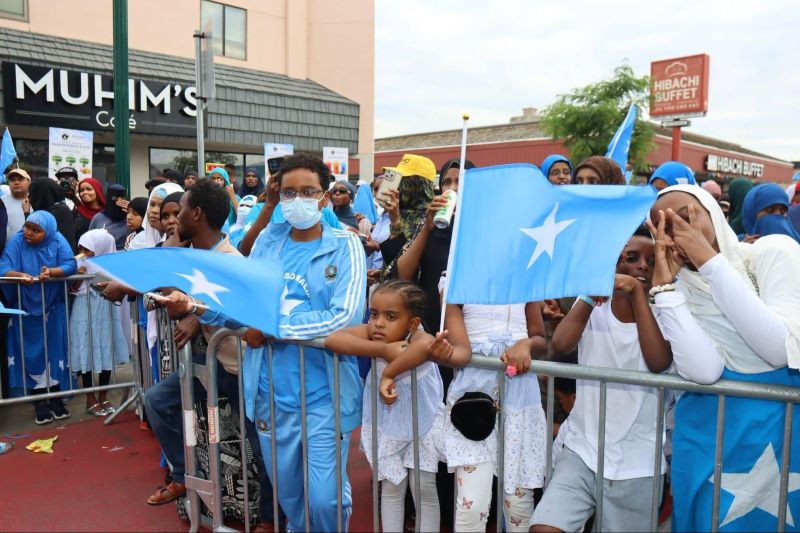
Source: Facebook / Yusuf Islam Mryuu CheYuu
July 5: Algeria and Cape Verde
Algeria’s independence from France on July 5, 1962, is remembered as one of Africa’s hardest-fought victories. It was not handed over politely, but rather came after an eight-year war against French colonial rule. The cost was staggering, but it inspired liberation movements across Africa and remains a symbol of determination against oppression. The country commemorates this historic day with vibrant celebrations, with the national flag waving proudly across the country. Public celebrations include parades, concerts, and cultural events that reflect the enduring spirit of the Algerian people. All of these serve as living proof of the nation’s resilience and the united effort that secured its freedom. Today, Algeria is one of Africa’s largest economies and a major player in energy production.
On this same day, 13 years later, the ten-island nation of Cape Verde shook off Portuguese rule. After centuries of colonial rule, Cape Verde (now officially known as Cabo Verde) officially gained its independence from Portugal on July 5, 1975. Today, Cape Verde stands out as one of West Africa’s most stable nations, proof that small islands can carry a big legacy. It has made remarkable strides, especially in education and healthcare.
Source: Facebook / MOMBASA CITY NEWSFLASH
July 6: Malawi and Comoros
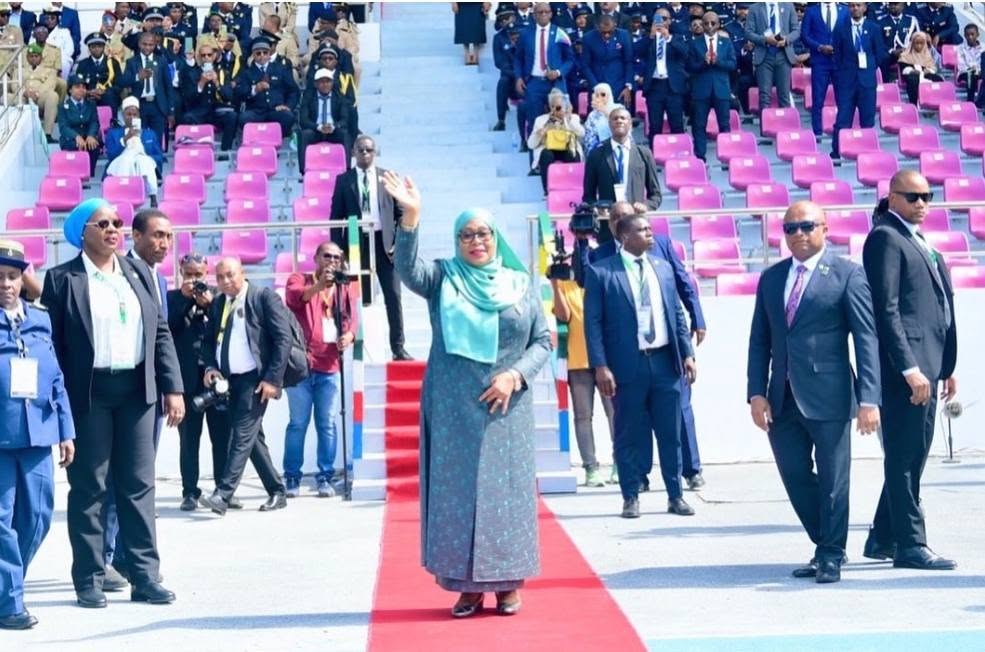
On this day in 1964, Malawi, known as “the warm heart of Africa,” gained independence from Britain under the leadership of Hastings Banda, who became its first prime minister and later its president. The transition of the country, formerly known as Nyasaland, into the Republic of Malawi marked the end of a colonial chapter that had lasted nearly seven decades. It is a day of national pride, reflecting on the journey toward self-governance and celebrating the nation’s vibrant culture.
In 1975, on this same day, Comoros, a small island country in the Indian Ocean located between Mozambique, Mayotte, and Madagascar, declared independence from France. This came after a 1974 referendum in which Grande Comore, Anjouan, and Mohéli voted to leave French rule, while Mayotte chose to remain French. This division still shapes regional politics in the Indian Ocean today. Comoros’ independence is a reminder that liberation across Africa rarely came in one clean, simple package. The day is marked by a presidential address, political speeches, concerts, traditional music and dance, and other festive events and activities.
July 9: South Sudan
After decades of civil war with Sudan, South Sudan gained independence on July 9, 2011, becoming the world’s newest country and Africa’s 54th nation. Although the country has achieved some progress, it still faces enormous developmental challenges. Independence Day represents hope for peace, nation-building, and a brighter future for millions of its citizens. It is a powerful reminder that the fight for self-determination on the continent did not end in the 20th century; for some, it remains a living, recent memory.
July 12: São Tomé and Príncipe
On this day in 1975, this small archipelago nation in the Gulf of Guinea gained its independence from Portuguese colonial rule, with Manuel Pinto da Costa becoming its first president. Its independence came during a wave of decolonization that swept through Portugal’s African territories following the Carnation Revolution in Lisbon the year before. Various festivities are held throughout the country to mark this day. They include official speeches, colorful patriotic parades, traditional dance, open-air concerts, theater performances, and other festive activities.
Source: Unknown (anonymous historical photographer; pre-1950s era) Simeon Mezie Cole, via Wikimedia Commons
July 26: Liberia
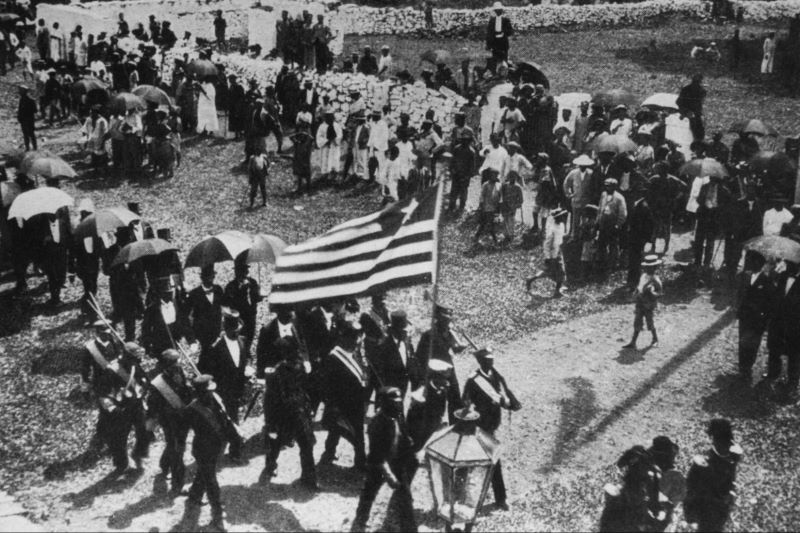
The story of Liberia, the first democratic republic in African history, is unlike any other on this list. It was not founded by Europeans being pushed out, but by freed African Americans and Caribbean settlers, supported by the American Colonization Society, who arrived seeking a homeland after slavery. On July 26, 1847, Liberia declared independence, making it the continent’s oldest sovereign nation in the modern era and one whose entire existence is a direct thread connecting Africa and the Black diaspora in the Americas.
Why these celebrations matter
For Africans, whether living in the motherland or abroad, Independence Day celebrations are more than national holidays. They are opportunities to reconnect with identity, history, and community.
African communities all around the globe commemorate these anniversaries through cultural festivals, traditional food, music, fashion shows, and educational events that introduce younger generations to their heritage.
For many Black people in the diaspora with African ancestry, these occasions offer a chance to learn about the sacrifices that secured freedom and to appreciate the diversity across the continent. Whether your roots trace back to Nigeria, Ghana, Kenya, or elsewhere, Africa’s stories of independence belong to the wider Black community. They remind us that freedom was won through sacrifice, unity, and unwavering hope.
This July, take time to celebrate these remarkable nations. Learn their history, taste their cuisine, listen to their music, and share their stories with your children. This is because every Independence Day is an invitation to help shape Africa’s future.