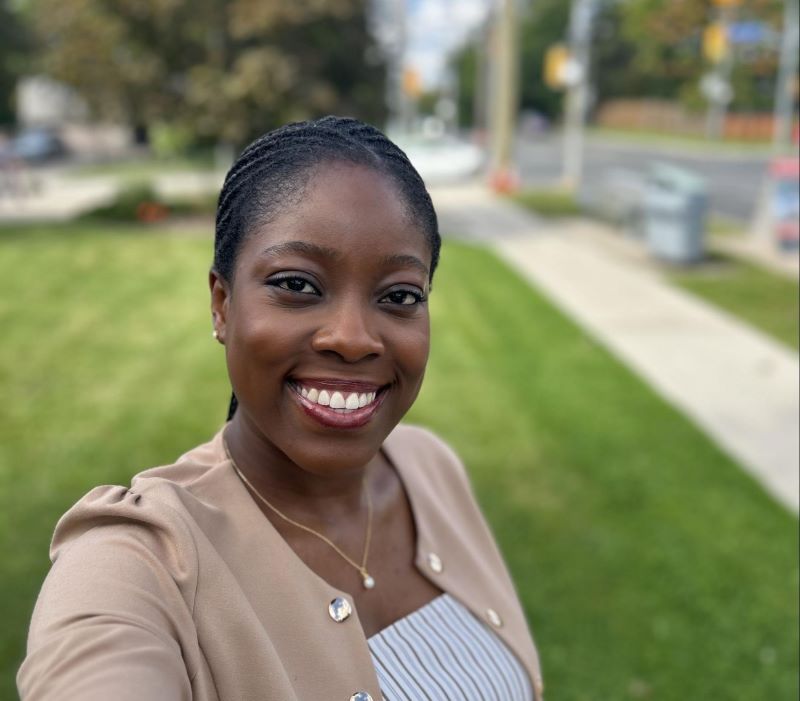

There’s a moment familiar to every Nigerian. You’re stuck in traffic, scrolling through your phone, and then you see the WhatsApp status of one of your friends who “japaed”. They’re in a cosy apartment, looking relaxed and like someone really enjoying life. For many, that moment is when the thought is planted: “Maybe I should japa too.” For some, it stays a dream. But for Gloria, it became a reality.
FunTimes Magazine spoke with Gloria, who relocated to the UK in 2023 on a skilled worker visa. From cultural shocks and loneliness to financial stability and personal growth, she shares the realities of building a new life abroad and why, despite the sacrifices, she has no regrets about leaving Nigeria.
How would you describe your life before relocating to the UK?
Honestly, I wasn’t doing too badly in Nigeria. I had a good job and a Ready-to-Wear fashion business on the side. But I wanted more. All my friends were leaving, and I could see they were doing okay. They were traveling with ease, and here I was in Nigeria, finding it hard to even take a vacation to neighboring Ghana. Life was beginning to feel like all my hard work was getting me nowhere.
What pushed you to finally make the move in 2023?
After the elections that brought the APC to power, things just started to go left. The exchange rate wasn’t smiling, fuel prices had gone up, and everything was just getting more expensive. One evening, after sitting in one of those crazy Lagos traffic jams for three hours, I got home to a blackout. My neighbor told me the national grid had collapsed again. It was at that moment that I asked myself, “Is this what I want to do with the rest of my life?” So, I called a friend in the UK who had a connection. I got a job offer with sponsorship. The rest, they say, is history.
What cultural shocks hit you first when you arrived in the UK?
The silence and near-empty roads in the evenings. I kept wondering why there were only a few cars on the road. It was quite unusual, especially for a Lagosian who is used to traffic after work. Back home, Sunday is for Owambe (parties). Here, on Sunday at 5:00 PM, shops are already closed, and everywhere is shutting down.
Again, coming from Lagos, where there’s always noise and things happening around you, the hawkers, truck drivers honking like they just discovered a new toy, and people everywhere, this quietness felt unreal. Nigerians don’t realize how loud we are until we move abroad. And then the coldness, and I’m not talking about the weather. The people here can be cold sometimes; they won’t even answer your greeting, and they have this fake smile that disappears the next second. Here, you can live next to someone for years and only ever say “Hi, ya alright?” without ever learning their last name. It took me a while to understand that this isn’t rudeness; it’s just how it is here. They just like their privacy. But I’ve met some warm and genuine people, too.
We have heard people say living abroad takes a toll on mental health, especially in the early stages. Did you experience that?
That may be true for some people, but I didn’t experience any of that. I had a soft landing. I already had family and friends in the UK, so I didn’t have to worry about rent, bills, or food in the first year. If anything, my mental health improved. I wasn’t constantly stressed about insecurity, the national grid collapsing, or rising fuel prices. The UK can be lonely, yes, but I have always loved my company, so I was already used to the “loneliness.”
Discover More Migrant Stories of other Africans building their life abroad.
What sacrifices did you make that people rarely talk about when they discuss “japa”?
Everyone talks about earning foreign currency and making more money abroad, but nobody mentions the upfront costs that drain your savings. Leaving family, friends, and everything you have ever known is not easy. Missing important moments back home, weddings, birthdays, is one of the hardest parts. You realize you can’t just enter a bus, or book an Uber or flight home whenever you want. You can’t just drop by a friend’s house on your way from work or go spend the weekend. People talk about money, but rarely mention the emotional cost. You gain stability but lose proximity to loved ones.
Was there anything you had to “unlearn” after migrating?
You see that ‘work work’ and ‘hustle hustle,’ I had to unlearn it. When I came, I was packing so many shifts, and then I realized my White colleagues weren’t. These people know how to take care of themselves, and work-life balance is taken seriously. They take their annual leave. At first, I thought this was laziness, but now I know better. I have had to unlearn that hustle-culture mentality.
What is the biggest lie Nigerians believe about life abroad?
It’s a magic solution to all your problems, and you make a lot of money. Yes, you earn more, especially when you convert to naira, but you also pay more; rent, energy bills, and others. Life abroad is better for me, but it’s not so for everyone. It comes with its own set of problems. The difference is that your money has value and there’s a level of predictability that makes planning easier. You can plan, save, and still live well.
Many immigrants are working extremely hard just to stay afloat. Yes, opportunities exist, but life abroad is not as easy as the Instagram posts make it look. People work long hours, deal with tax and immigration policy stress, and sometimes face discrimination, too. Success does not happen overnight abroad. For many people, it takes years of sacrifice and adjustment.
What are the downsides of life abroad?
For me, it is access to healthcare. I pray not to fall sick because getting a doctor’s appointment can feel like a long process. Back in Nigeria, I could walk into a hospital at any time and be seen the same day. Here, even urgent issues can be pushed months into the future. A friend of mine had to fly back to Nigeria for a fibroid operation because the earliest date she was offered here was a full year away. Imagine losing blood and still being told to wait twelve months.
Also, back home, I used to have my routine dental appointment every 6 months, but here, the cost makes that difficult to maintain. Living abroad has its advantages, but the healthcare system definitely isn’t one of them.
Did you ever experience discrimination or subtle racism?
I would say subtle racism exists. But I have also met genuinely kind and supportive people here.
Do you ever regret leaving Nigeria, or do you feel like you made the wrong choice?
No, I don’t regret it. Here, I can pay my bills, send money home, and still have peace of mind. I can even go on vacation. It doesn’t mean life here is perfect, but I can plan without the constant fear that the economy will go wrong. Nigeria will always be home, but I don’t regret leaving. I miss home sometimes. I miss my family and friends. But regret? No.
If Nigeria became everything you hoped it could be tomorrow, would you move back?
That’s a tough one. I can’t really say. I know I would love to spend time in Nigeria, especially during those cold winter months. But for now, my life is here. Nigeria is home and will forever be, but the UK is where I can breathe easy.