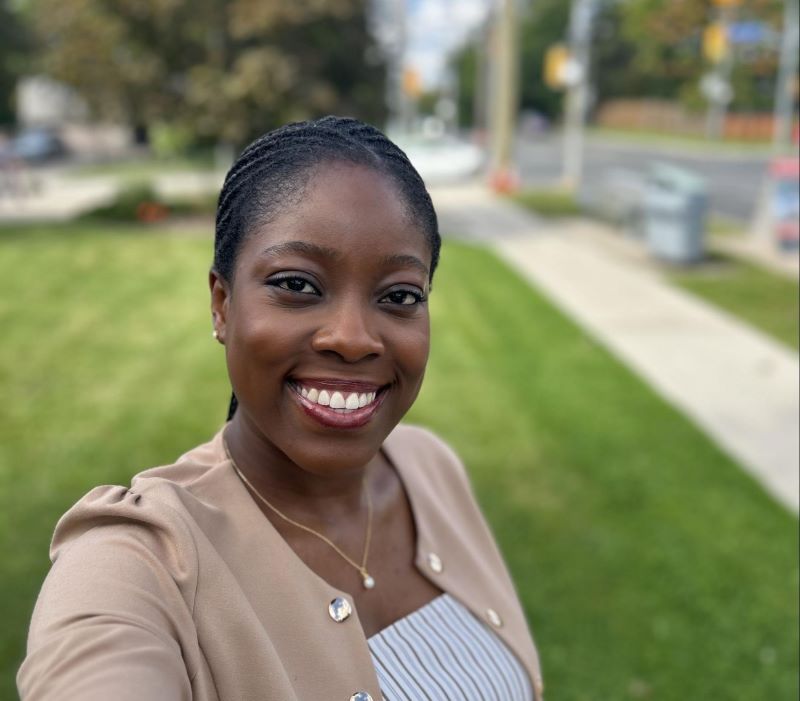

There’s a moment every Nigerian parent has rehearsed in their head. You’ve spent your savings, sold properties, taken loans you’re still paying back, prayed every prayer in the book, all so your child can go abroad, get a Master’s degree, start working for a big company, and send pounds back home. So, when that child calls to tell you they are switching career paths, the silence on that phone call? It is a whole conversation by itself.
In this session with FunTimes Magazine, Matthew talks about the realities of immigrant life in the UK, and what he wishes Nigerians understood about survival and starting over.
Where do you currently live, and when did you leave Nigeria?
I live in the UK. I left Nigeria in 2022.
What were you doing in Nigeria before you left, and what inspired your decision to move?
After I completed my undergraduate degree and the National Youth Service Corps (NYSC), I began job hunting, but nothing came of it. Two years later, I was still trying to find my feet. I had gotten a job, but the pay wasn’t all that good. One day, on my way back from work, I fell into the hands of one chance people. It was God who saved me. It was after that incident that my parents started gathering money to send me abroad. So I would say the move was motivated mostly by insecurity and the search for a better future.
What was your own “silent struggle” in your first year abroad?
Honestly, everything. The weather, the loneliness, the bills, the pressure to “make it,” the fear of disappointing people back home. But what kept me going was reminding myself that everyone’s journey is different. I didn’t come here to impress anybody; I came to build a life.
What has your experience been like so far, with work and life in general?
When I first arrived, it wasn’t easy. Getting a job and finding my feet took time. I started with warehouse jobs, cleaning jobs, and security at events, before finally going into care. I remember the first time I told my parents I was considering working in care. They must have heard some negative things about care work abroad, because the silence on their end was loud. To them, it didn’t make sense. How could someone not find a befitting office job after spending so much money on a Master’s degree? In their minds, a Master’s degree from the UK should mean an office, a title, and a salary that justifies every kobo they spent. But what many people don’t understand is that abroad, a certificate alone is not always enough. Experience matters a lot.
So how did you eventually make peace with taking the care role?
I left Nigeria for the UK with an open mind. I was open to any job and had no reservations. When I saw that care could offer me what I needed at the time, I went for it. Pride does not pay bills, and it will not get you anywhere. The care job came with a Certificate of Sponsorship, which meant I could legally stay and work. I’m paying my bills. I’m sending money home. I’m building something. A lot of people are too focused on appearances or trying to match society’s expectations. But when rent is due, bills are waiting, and your visa situation becomes uncertain, reality hits differently.
I remember this friend who rejected care jobs because they did not align with his dreams. He wanted something in his exact field. He believed the post-study visa gave them enough time to find such a role. So he focused on job hunting and waited for the perfect opportunity. By the time his post‑study visa was about to expire, reality hit, and he started applying for the care roles he had rejected. Luckily, he found something just in time. That experience taught me that abroad, you must be flexible.
Discover More Migrant Stories of other Africans building their life abroad.
People often talk about how hard life in the UK is. What’s your honest take?
People talk a lot about the struggles, the bills, the weather, loneliness, taxes, pressure, and those things are real. But there are also beautiful things we take for granted. One thing I genuinely love is transportation. You can move around easily without depending on a car for everything. And the parks, no matter how hectic life gets, there is always a green space nearby to just relax and breathe. Those little things matter more than people realize.
What is your least favorite thing about life in the UK?
The subtle racism, for one. It’s in the way people look at you, the assumptions they make, or the way they treat you at work. It’s not always loud, but it’s there. Then there’s the constant immigration policy changes. The government keeps changing the rules, leaving immigrants constantly anxious and uncertain about the future. Just when you think you understand where you stand, something shifts. It keeps you on your toes constantly, in a way that is genuinely exhausting and mentally draining. You can be doing everything right and still feel like your life is hanging in the balance because one new policy can suddenly affect your plans. Many immigrants silently carry that stress every day.
What has been the biggest lesson from your migration journey so far?
Whether you are volunteering, working as a carer, cleaner, or just rebuilding your life one step at a time, your current chapter is not your final destination.
Do you ever see yourself returning to Nigeria permanently?
No. I don’t see things getting better, not with the way the country is going and the kind of leaders we have. Nigeria will always be home, and I’ll always love home, but I don’t see myself living there again.