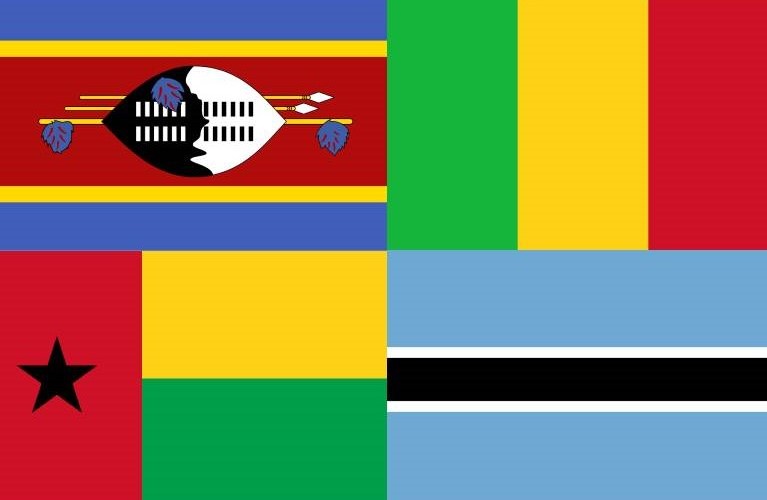
Flags of African countries with Independence Days in September. Source: Wikimedia Commons.
I keep thinking about something from Odunde this year. There was an auntie selling shea butter next to a table of Sierra Leonean gele wraps, a drum circle going two blocks down, and nobody stopped to think about how many countries were represented in that one stretch of South Street. That is just Philly.
Then summer ends. We pack up the grill, Juneteenth turns into a memory, and it can feel like the celebration is done for the year. But starting in September and running through December, an unbroken wave of African nations mark the day they told a colonizer to leave. That happens to line up with our fall almost perfectly. So let’s walk through it, the way you would walk a cousin through a family tree they didn’t know they had.
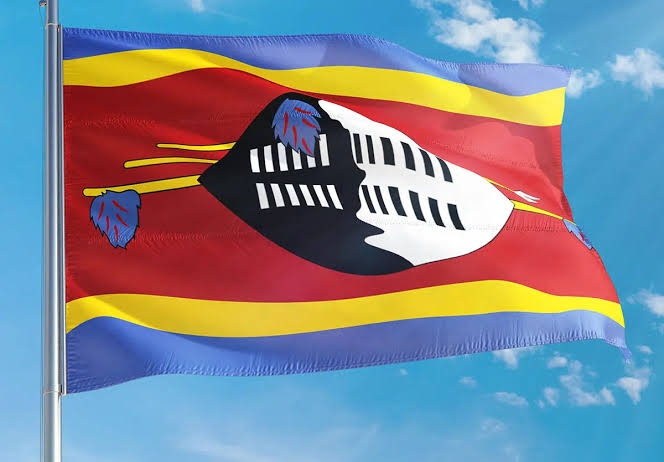
September opens on the 6th with Eswatini, then called Swaziland. What gets me about this one is how it happened. King Sobhuza II negotiated independence through decades of patient diplomacy instead of armed conflict, and Eswatini remains one of the last absolute monarchies in the world. The Umhlanga reed dance and the beadwork traditions there go back long before the British ever showed up, and they never stopped.
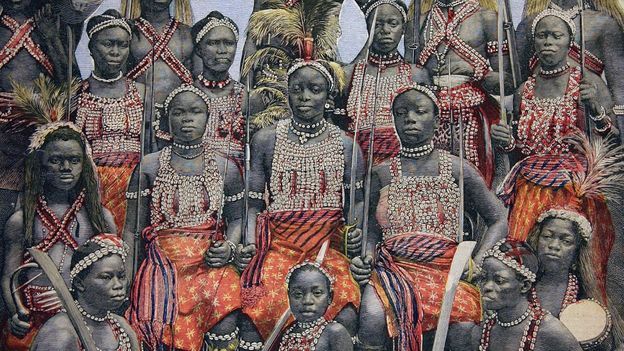
Source: Holidays Calendar
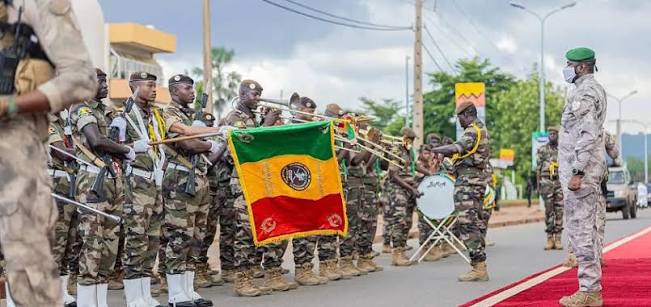
Mali follows on the 22nd. On September 22, 1960, Mali declared independence from France, beginning a new chapter for a country whose history stretches back centuries before colonial rule. Modern Mali sits on land once associated with some of Africa’s most influential empires, including the Mali Empire, whose wealth, scholarship and trade helped shape West African history.
That history still speaks through its music. People sometimes call a great rapper a “modern griot,” and that phrase actually comes from somewhere real. The griot tradition, in which oral historians carried family and community histories through song and storytelling, remains part of Mali’s cultural fabric and the wider West African musical heritage that would later influence Black music across the Atlantic. Salif Keita‘s voice still sounds older than the room he’s singing in.
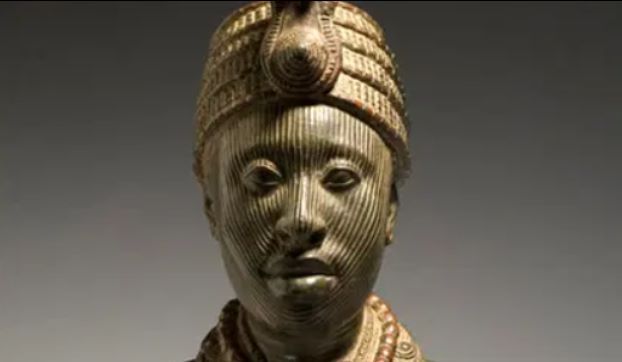
Source: Black Agenda Report
Two days later, on the 24th, is for Guinea-Bissau. This one gets slept on. They did not simply wait around for permission to become free. After years of Portuguese colonial rule, Amílcar Cabral helped organize and lead the African Party for the Independence of Guinea and Cape Verde (PAIGC), turning the struggle into one of Africa’s most determined anti-colonial movements.
Cabral was assassinated in January 1973, but the movement he helped build continued. On September 24, 1973, Guinea-Bissau unilaterally declared its independence, even while Portugal still claimed the territory. The declaration gained international recognition, and following Portugal’s Carnation Revolution, Portugal formally recognized Guinea-Bissau’s independence in 1974.
It is one of the sharper stories in African independence history: a small West African nation fighting a much larger colonial power and declaring itself free before that power was prepared to let go.
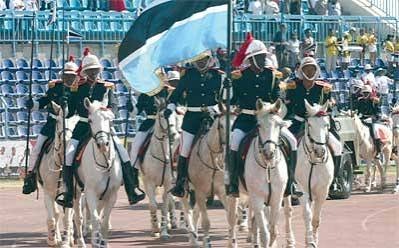
Botswana closes out the month on the 30th. Most people can only place it next to the word “safari,” and sure, the Okavango Delta earns that reputation. But Botswana’s story is much bigger than wildlife and postcard landscapes.
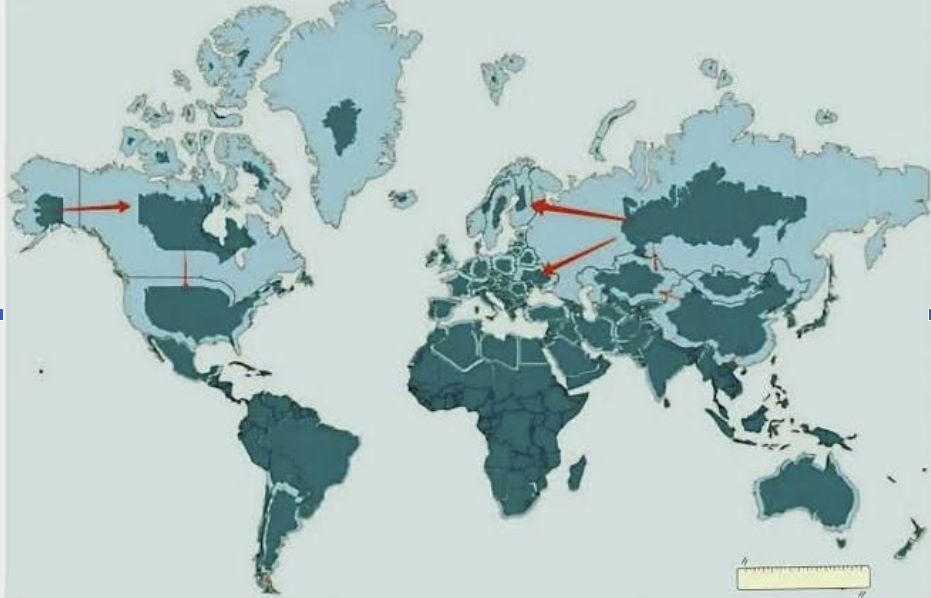
Source: Magnetic media
Formerly known as the Bechuanaland Protectorate under British rule, Botswana gained independence on September 30, 1966, with Sir Seretse Khama becoming its first president. At independence, the country faced enormous economic challenges, with limited infrastructure and few paved roads. Then came a discovery that would reshape its future: diamonds. Major deposits were discovered shortly after independence, and diamond revenues eventually became central to Botswana’s economic growth.
What makes the story interesting is how Botswana used that opportunity. Rather than allowing its mineral wealth alone to define the country, successive governments invested heavily in areas such as education, health care and infrastructure. Botswana also developed a reputation for political stability and has held regular multiparty elections since independence.
This month, Botswana celebrates something equally worth knowing: 60 years of independence in 2026, and the journey of a country that entered independence with daunting odds and went on to become one of Africa’s most enduring examples of political stability.
Happy independence to Eswatini, Mali, Guinea-Bissau and Botswana.

Anand Subramanian is a freelance photographer and content writer based out of Tamil Nadu, India. Having a background in Engineering always made him curious about life on the other side of the spectrum. He leapt forward towards the Photography life and never looked back. Specializing in Documentary and Portrait photography gave him an up-close and personal view into the complexities of human beings and those experiences helped him branch out from visual to words. Today he is mentoring passionate photographers and writing about the different dimensions of the art world.