Collage courtesy of FunTimes Magazine
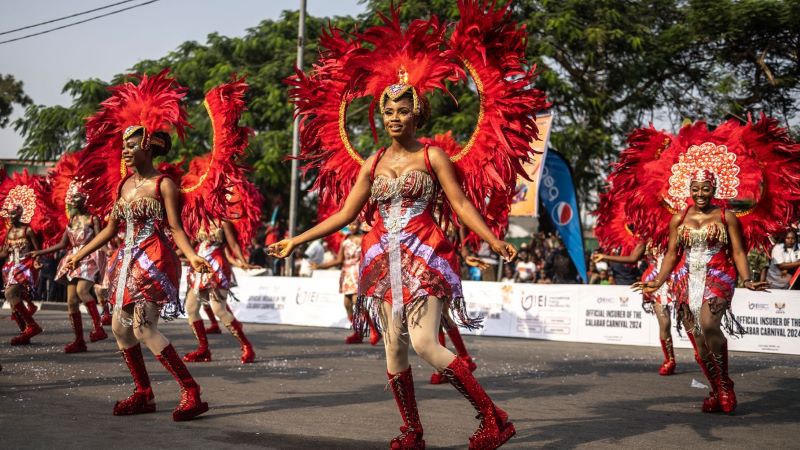
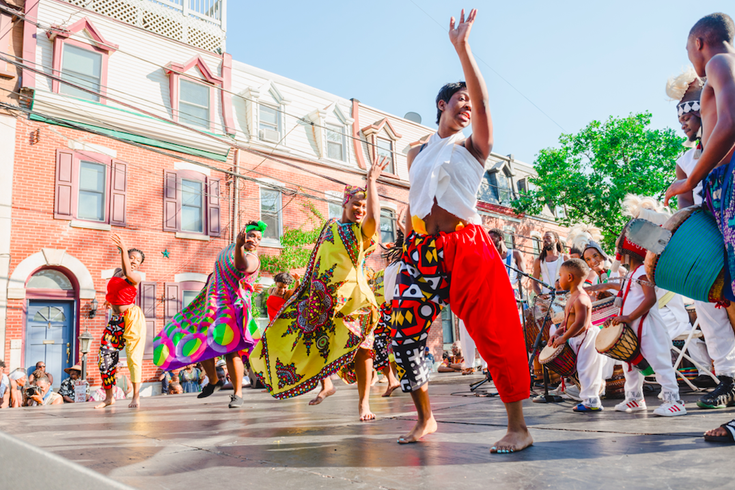
Fashion is more than clothing. It is an expression of identity, culture, status and the memory of a people stitched into fabric. In 2026, fashion continues to evolve, redefined by new ideas and unique styles. Among these emerging influences in the global fashion industry is a story being told through the hands of African artisans.
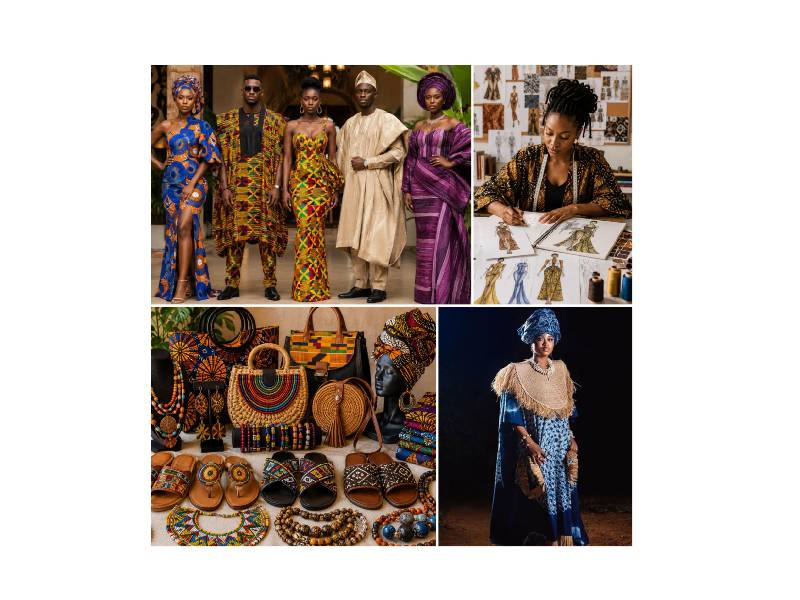
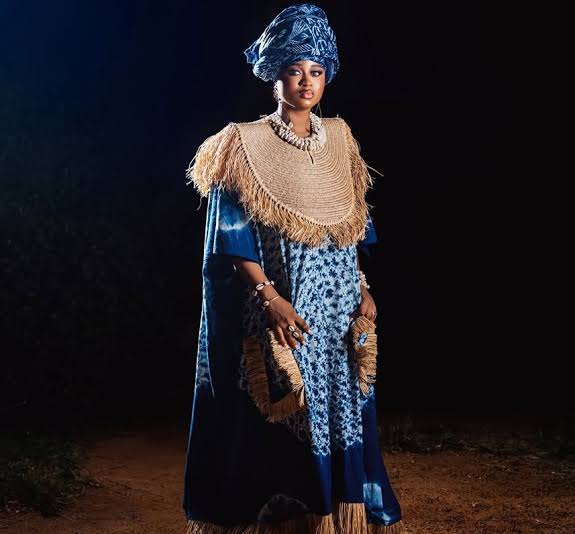
Across the continent, African crafts that have survived generations are finding new life in contemporary fashion. Hand embroidery, natural dyeing, indigenous weaving, beadwork, leatherwork and other traditional techniques are moving beyond their local settings and becoming part of a new African fashion trend.
For decades, industrialization and mass production pushed handcrafted fashion to the margins. Speed, uniformity and affordability became dominant forces in the global clothing industry. Machines could produce thousands of identical garments, while artisans might spend days creating a single piece.
But fashion is forever evolving.
As consumers become more interested in authenticity, sustainability, craftsmanship and the stories behind what they wear, the qualities once considered limitations of handmade fashion are becoming its greatest strengths.
Today, designers are taking that cultural knowledge and translating it into clothing that speaks to contemporary audiences without losing the traditions from which it emerged.
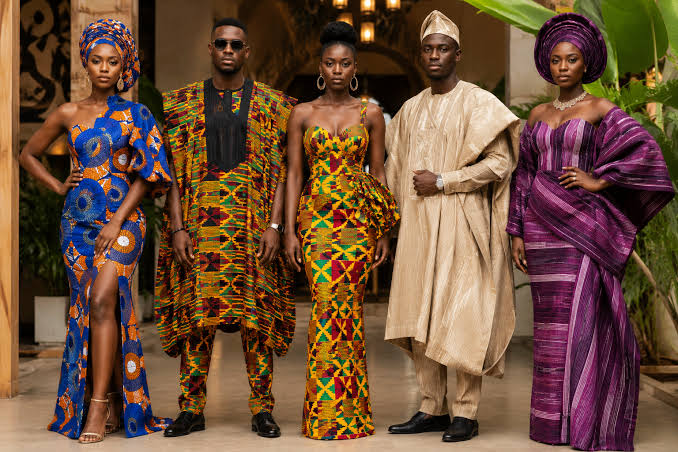
In Nigeria, aso-oke is increasingly being reimagined beyond traditional ceremonial attire. Its distinctive texture and structure are now incorporated into modern jackets, skirts, trousers, dresses, handbags and accessories. Rather than treating the fabric as something belonging exclusively to the past, designers are demonstrating its versatility within contemporary wardrobes.
The same principle applies to Ghana’s kente, whose bold colors and intricate woven patterns have become globally recognizable. While kente remains deeply connected to Ghanaian cultural identity, designers are continually experimenting with ways to incorporate it into modern tailoring and luxury fashion.
Source: Tour Africa Magazine
Mali’s bogolanfini, commonly known as mud cloth, demonstrates how an indigenous textile language can become a contemporary design resource. Its distinctive geometric patterns and earthy appearance have influenced fashion and interior design while retaining strong connections to Malian cultural traditions.
Ethiopia’s handwoven textiles, Morocco’s embroidery and leatherwork, South Africa’s beadwork and numerous other regional traditions demonstrate that there is no single definition of African craft. The continent contains an enormous range of techniques, materials and visual languages waiting to be interpreted by a new generation of designers.
And African craftsmanship is at the center of it all.
This growing prominence of African craft is not happening in isolation. It is being amplified by major fashion platforms such as Lagos Fashion Week and Dakar Fashion Week, where collections have shown handcrafted textiles being used with greater discipline, sophistication and intentionality.
That elevation is visible in the wider industry as well. Designers including Thebe Magugu, Orange Culture, Tongoro, Abbaswoman, Veekee James and Christie Brown have built international reputations by incorporating artisanal techniques, handwoven fabrics, embroidery and beadwork into their collections. Their work has helped reposition African fashion from a regional interest into a genuine global creative force.
Part of what makes this movement resonate beyond the continent is timing. Global fashion in 2026 has increasingly leaned towards themes of heritage and personality. Natural dyeing techniques, hand weaving and locally sourced materials align naturally with these themes. For African designers, this is not simply a trend to chase but a practice that many communities have carried for generations.
There is also a growing commercial case for this shift. According to a UNESCO report titled The Fashion Sector in Africa: Trends, Challenges and Opportunities for Growth, the continent has the potential to become one of the next major fashion leaders. Africa is a major producer of raw materials, with 37 of its 54 countries producing cotton. The continent also exports textiles valued at $15.5 billion annually, while imports of textiles, clothing and footwear are valued at $23.1 billion annually.
Source: NTA
These figures reflect a market that can no longer be treated as insignificant but must be recognized as a serious contributor to the global fashion economy.
What brings all of this together is storytelling. Every embroidered pattern, every hand-dyed fabric and every woven thread carries history, identity and craftsmanship that mass production cannot easily replicate. As global audiences increasingly seek meaning behind what they wear, African craft offers something markets have struggled to manufacture: authenticity rooted in centuries of skill.
The renewed interest in African craftsmanship is therefore more than aesthetics. It is also about visibility, economic opportunity and cultural ownership. When traditional techniques are incorporated into contemporary fashion, artisans become part of a value chain that can extend from local communities to international markets. The challenge is ensuring that the people who preserve these traditions are not left behind as their cultural knowledge becomes commercially valuable.
In 2026 and beyond, it is becoming clear that African craftsmanship will not simply influence fashion from the sidelines. It holds the potential to actively shape the direction fashion is moving, proving that heritage and innovation are not opposing forces, but the same creative impulse expressed across time.

Okechukwu Nzeribe works with the Onitsha Chamber of Commerce, in Anambra State, Nigeria, and loves unveiling the richness of African cultures. okechukwu.onicima@gmail.com