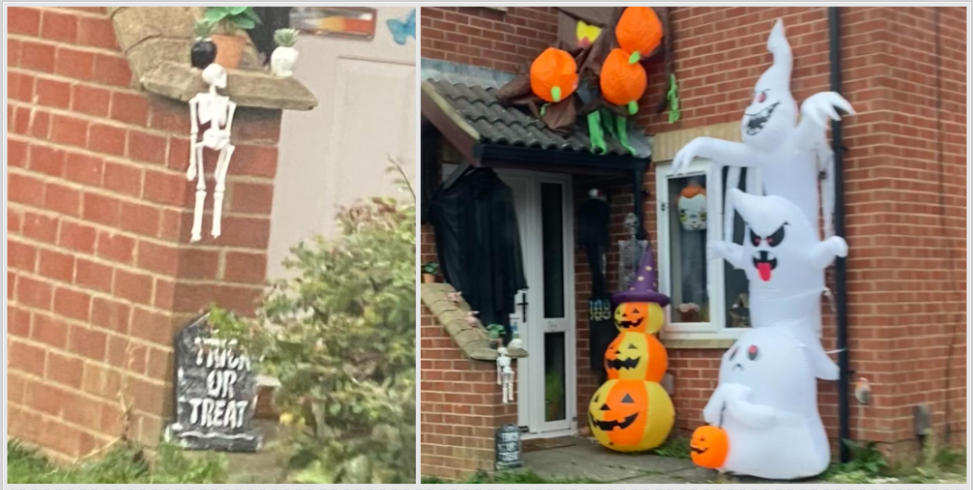
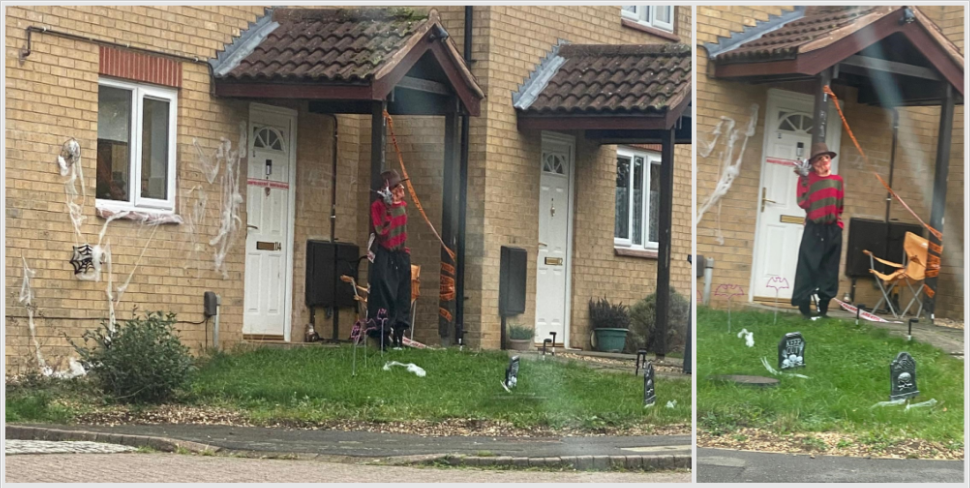
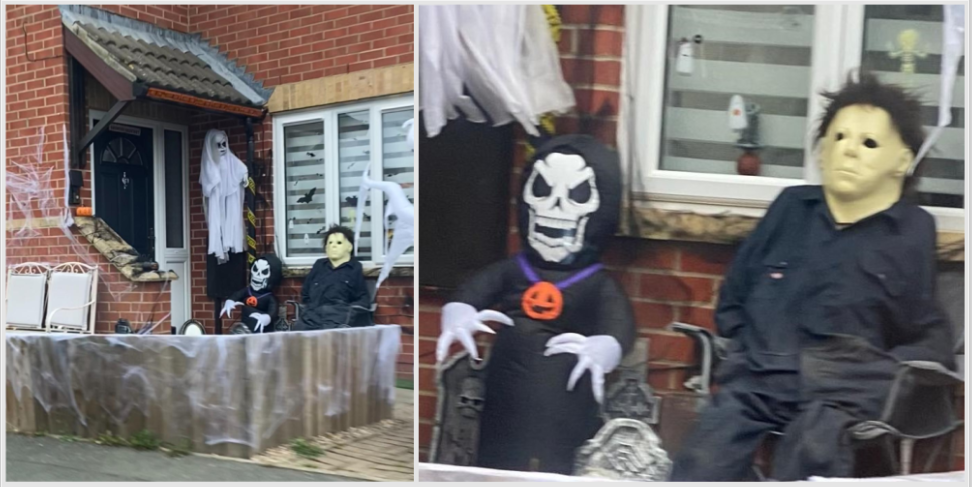
As I took a stroll with my friend, Joy, we noticed skulls lining the windowsills of a house, and skeletons hanging in front of some people’s porches. One house had different creepy creatures perched on the roof and cobwebs surrounding the building.
She whispered, “These people have started inviting evil spirits into their homes. All these ghosts and skeletons are how the devil gains access into their homes.”
She’s not alone in this. For many Black people, especially those who grew up with very religious or traditional parents, Halloween is more than just candy, spooky decorations, and costumes. Across Black and African communities, the holiday is met with skepticism and reluctance and often sparks heated debates about religion and culture.
Every October 31, people around the world celebrate Halloween with spooky costumes and decorations, parties, trick-or-treating, and pumpkin carving. Its origin is rooted in the ancient Celtic festival of Samhain.
The Celts believed that Samhain was the day in the year when the boundary between the world of the living and the dead blurred, making it easier for the spirits of the dead to return and roam the earth. To commemorate the day, they would light bonfires and wear costumes to ward off spirits, laying the foundation for Halloween’s spooky customs.
As time went on, Christianity came along, and the traditions of the beliefs and cultures blended. The name was changed from Samhain to All Saints Day or All Hallows, evolving into the festive and commercialized occasion we know today and celebrate.
To many Americans and those who celebrate, it is just a fun holiday like Thanksgiving, Christmas, and the rest. It is a time to dress up, throw parties, take the kids trick-or-treating, and enjoy pumpkin spice. But it is a different case for several Black families, especially those with strong religious or cultural backgrounds. To them, the holiday feels like a celebration of witches, skeletons, and ghosts. So, when they see cobwebs and skulls being used as decorations, they don’t see a party but a breeding ground for demonic activities.
Black and African Communities Caught between Religion and Modern Culture
When it comes to Halloween, Christians often have varied views. On one side are those who do not want to have anything to do with it, as it goes against their beliefs, and on the opposite side are those who believe the holiday is just a day for fun, family, friends, and community gatherings.
Many Black communities practice Christianity, and for some, anything that has to do with spirits and ghosts is seen as the occult and a direct contradiction to biblical teachings. Their argument is often rooted in scriptures such as “What fellowship has light with darkness?” The same applies to Islam, where celebrating Halloween is haram (forbidden) due to its pagan origins. Also, dressing up like ghosts, witches, and other supernatural beings is forbidden in Islamic teachings.
The way Halloween is celebrated in Black neighborhoods is different from that of the White ones. A 2021 YouGov poll found 19% of Black Americans saying they refuse to celebrate Halloween, a higher percentage compared to the 7% White Americans who felt the same way.
The upbringing and experiences of Blacks tend to play a key role in how they feel about things. Many Africans and Black Americans grew up in environments where anything associated with witches, ghosts, or the dead is condemned. They do not see dressing as a ghost, a witch, or a devil as harmless and will always link it to the spiritual. That is why you would see a Nigerian mum stopping her kids from joining others to celebrate. While their friends and classmates dressed up as witches or superheroes and went trick-or-treating, they stayed at home enjoying family time or attended a planned church event.
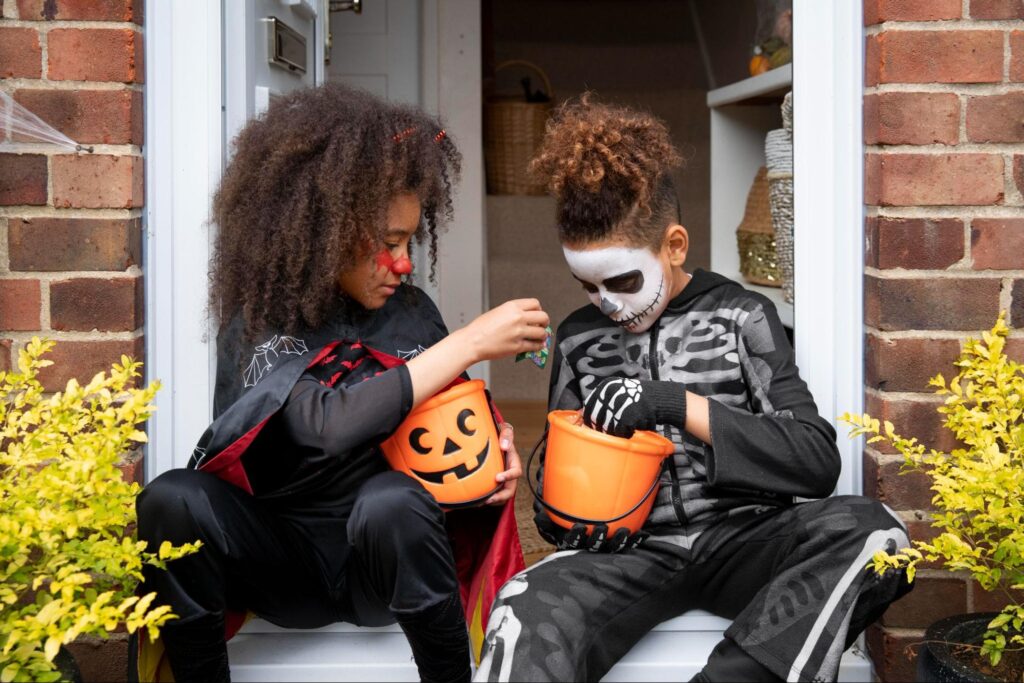
Image: Freepik
Growing up, the message was clear: “Halloween was off-limits.” You hear Black parents making comments like “We don’t play with those kinds of spirits,” or “We will not give the devil a chance to enter our homes.”
So when a holiday gives a spooky vibe and looks like it is celebrating darkness, it’s understandable that several Black people respond with caution.
However, in recent years, some churches have been making efforts to counter the dominant message of the day by hosting programmes that are specifically God-centered and allow a safe environment and a fun alternative to trick-or-treating. These events let children dress up as biblical characters.
For some other Christians, they don’t mind joining in the fun. They think that Halloween has become so commercialized that it is no longer defined by its pagan origins. To them, it is just a harmless day to get creative with their dressing, kids getting lots of candy, and having a good time. Some have compared it to Christmas and other holidays.
A friend of mine once shared what she thought about Christians against Halloween because it is a ‘pagan’ holiday. She said, “Celebrating birthdays is a pagan tradition, and there are others as well. Yet, we still celebrate those holidays. So what is the difference?”
Plenty of Americans don’t see the harm in celebrating Halloween, an event that has become ingrained in their culture. A YouGov survey found 77% of U.S. adults say Halloween is a harmless holiday, 11% believe it is harmful, and 12% aren’t sure.
How Modern Black Families Are Adapting to Halloween
For the new generation of Black parents and young adults scattered all around the world, from the United States of America to the United Kingdom and other Western countries, Halloween is becoming a cultural experience rather than a religious compromise. It can be compared to how people celebrate Christmas even if they’re not devout Christians.
Many Blacks who grew up in homes where Halloween was banned are not following in their parents’ footsteps. Some join in marking the day as they attend Halloween parties and allow their children to join in at school dressed as superheroes rather than as witches.
Some are trying to find a balance between how they were raised and blending in with the culture of the people they now live among.
While some abstain completely, others celebrate with full enthusiasm, and many find a middle ground, joining the fun without compromising their faith.
My friend, who earlier voiced her thoughts about people inviting spirits into their homes, may never celebrate Halloween or understand why people do, and that’s perfectly fine. For those who are happy to mark the day, that’s their choice, and it is also fine.