
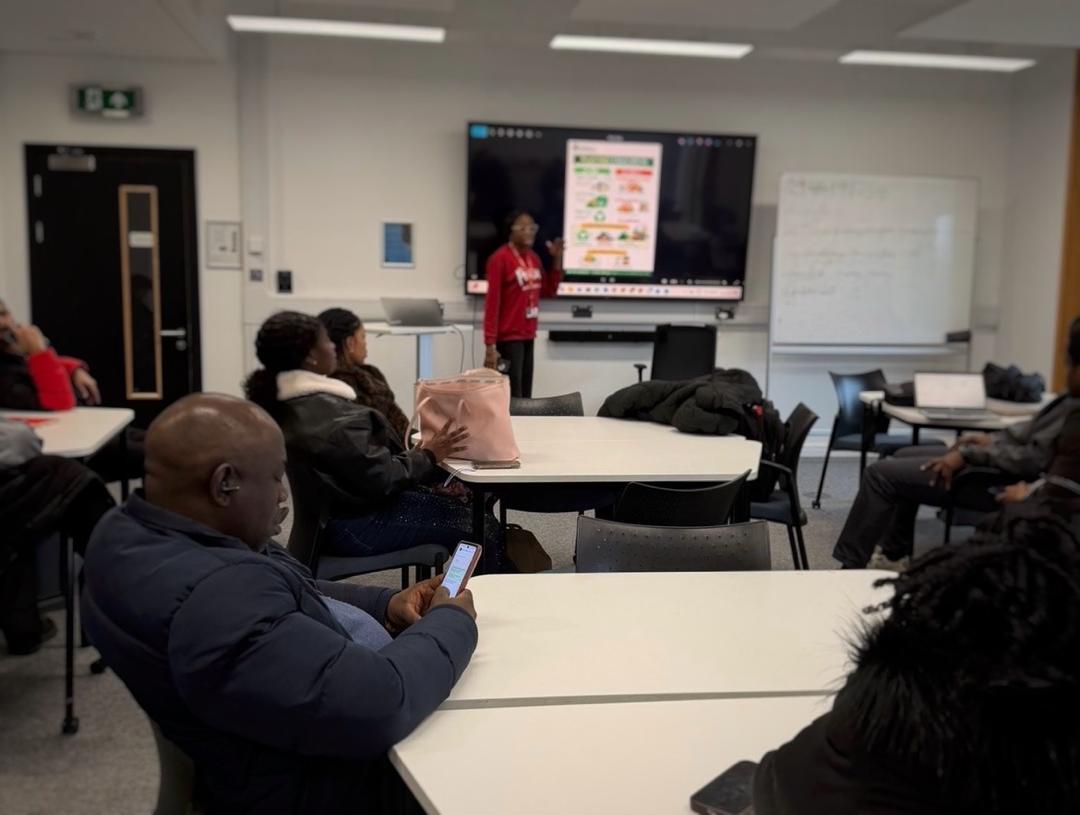
Photo source: User-generated content
When you scroll through social media, you see photos and videos of Nigerians studying abroad. If they are not posing in front of a university building, they are smiling in a graduation gown, or sharing snapshots of snowy streets and beautiful campuses. These moments reinforce the belief that life as an international student is exciting, glamorous, and full of opportunities.
But behind those curated moments is a different story, one filled with back‑to‑back assignments, the exhaustion of rushing from lectures to work shifts, the loneliness of being thousands of miles away from family, the mental strain of trying to succeed in a completely different educational system, financial pressures, and the constant reminder that you cannot fail because too many people are counting on you.
FunTimes Magazine spoke with four Nigerian international students currently navigating four different countries, the UK, Canada, the US, and Italy, to capture what studying abroad actually looks like once the celebration photos are put away.
“I had to ask for a payment plan” – Kunle, United Kingdom
When Kunle arrived in the United Kingdom, he quickly discovered that paying international tuition fees was not as straightforward as many people back home assumed. One of his biggest challenges was financing his education.
“I was supposed to complete payment in two installments after I started my programme. When I realized I could not meet up with the first installment, I had to contact my school for a payment plan. So instead of paying a huge sum once, I was giving the school around £150-£250 bi-weekly.
“Then there was the job hunt. Many of us arrived believing jobs would be readily available, but the reality we met was different. The search for student-friendly jobs can be intense, especially as you cannot work more than 20 hours a week. Your applications would go unanswered, or you would not get the job. Imagine begging for a cleaning job and still getting ignored. I registered with so many recruitment agencies. If A does not have a shift for me, B will have. Sometimes, your shifts get cancelled last minute. Understanding how UK hiring actually works, how agencies operate, and how to get a foot in the door as an international student is a skill nobody teaches you before you land. Add to that the academic adjustment, different teaching and learning styles, and different expectations. The academic expectations were different from what I was used to in Nigeria. Here, you have to do a lot of independent learning and research-heavy assignments. You have to be in school, come rain, come shine, as they take attendance very seriously. In fact, your visa status depends on attendance. Combining work and school was a daily struggle. There were nights when I worked until 11 p.m., got home past midnight, and still had to finish an assignment due the next day. You don’t get to see all these struggles on TikTok.”
“It’s like a cycle, no time to rest” – Tola, Canada
If there is one word Owomitola uses repeatedly to describe life as an international student in Canada, it is “hard.”
“Being a student here is a lot. The academic pressure stretched me in ways I never anticipated. It stretched me mentally and financially, especially given how the school structure here works. It’s back-to-back assignments, quizzes, presentations, midterm exams, and final exams. Classes run from 9 a.m. to 4 p.m. Then, without much room to breathe, you’re rushing out for a work shift that starts at 5 p.m. and runs until 10 p.m. My house is almost an hour from school. “By the time one gets home, you’re exhausted. But assignment no dey hear story.
“Even during the weekends, you’re still working. It’s like a cycle, no time to rest. It’s the kind of schedule that would exhaust anyone, but for international students managing tuition payments, rent, and the quiet pressure of not wanting to disappoint the people back home who funded the dream, rest often becomes the first thing sacrificed.
Still, even in the middle of describing the exhaustion, Owomitola ends on something most Nigerians will say, “We will pull through o.”
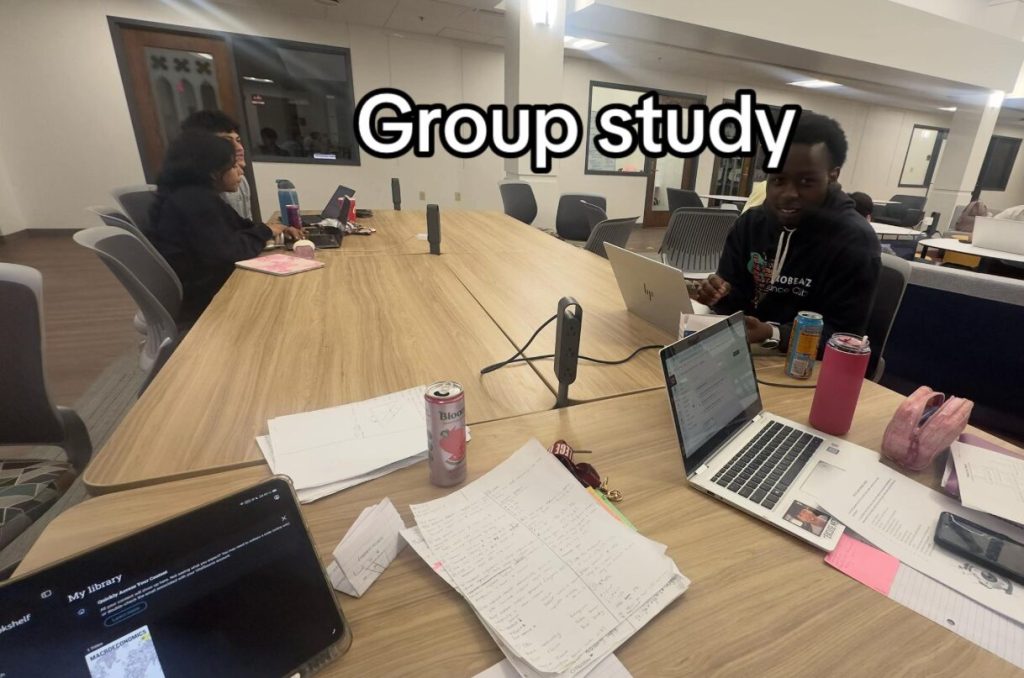
Photo source: Ella🇳🇬 / TikTok
“This is not for the weak” – Ella, United States
For Ella, studying in America has been a lesson in endurance. “Being an international student in the US is not for the weak or lazy,” she says. Before moving, she expected academic challenges. What she did not anticipate was how difficult it would be to balance multiple aspects of life at the same time. “Trying to balance academic work, social life, and making money was not something I was prepared for. Facing racism was another thing I wasn’t prepared for. Sometimes it’s subtle, sometimes it’s in your face,” she added.
“There’s school, work, the pressure of making money, and the emotional challenge of building a new life from scratch. Social media often creates an incomplete picture of life abroad. People see the exciting moments, the road trips, graduation photos, and cultural experiences. What they don’t see are the difficult days. There are days when you just want to pack your bags and go back home. Whenever I feel overwhelmed, I remind myself of why I left Nigeria in the first place, the sacrifices, the money, and the people who supported me. That thought keeps me going.”
“It’s not easy to learn in another language” – Esther, Italy
While Kunle, Tola, and Ella are managing money, race, and burnout in English-speaking countries, Esther’s challenge in Italy adds a layer that the others don’t have to face: language. While academic pressure exists everywhere, studying in a language that is not your first language introduces an entirely new level of difficulty.
“Being taught and writing an exam in another language is not easy. You have a lot of work to do. Every lecture requires extra concentration. Every assignment takes additional effort. Every examination demands not only knowledge of the subject but also confidence in understanding and responding in another language. First, you have to fully understand the material in a second language, and only then can you begin the actual coursework everyone else is doing in their native tongue. Academic life is already demanding, so language seems like an extra, exhausting work. What the natives will do in 2 hours, you would require double or triple that time.