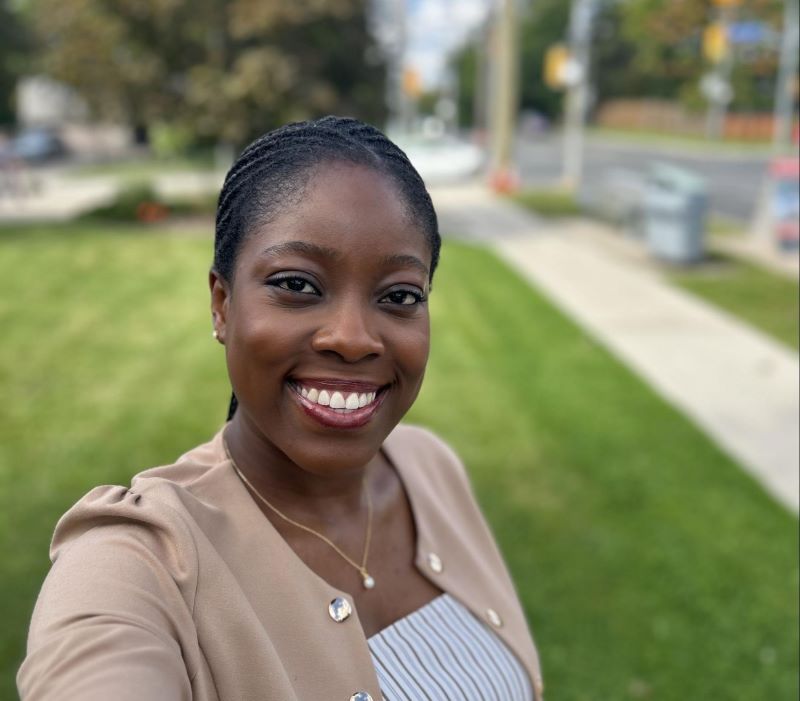

For Thomas, moving to the UK as an international student in January 2025 came with equal parts excitement and sacrifice. To make the journey possible, he took a loan and spent much of his time as a student paying it back. Along the way, he experienced the opportunities that drew him to the UK, as well as the financial pressure and uncertainty.
In this conversation with FunTimes Magazine, Thomas shares the highs and lows of life as an international student, the realities of the UK system, and what life looks like now as he tries to find his footing after graduation.
What prompted your decision to leave Nigeria for the UK?
Like many Nigerians, I was getting frustrated with the country and wanted better opportunities and a different environment. Many people were leaving via the school, and I thought I would give it a try. I believed that studying abroad would expose me to new experiences and opportunities that would improve my life. However, the journey wasn’t financially easy. I had to take a loan to make the move possible. The loan helped cover some of the costs associated with relocating and studying in the UK. For a significant part of my time as a student, I was still paying it back. I barely had money to feed myself. It was really tough to make good grades while working to pay my debt.
How did you manage to work 20 hours, pay bills, and service your loan back home?
I would go to the mall, but only window shop and come back home. Even when things were on sale, they still cost more than my budget. I think I even lost weight because I was very disciplined in my eating. When my coursemates are buying food from the canteen, I would always just sit and watch. I was very careful with my spending. Also, when grocery shopping, I would usually go to the aisle doing 50% to 30% discount. When people back home ask for money, and you say you do not have, they would think you’re just being stingy. They do not know what people go through abroad. The bills come monthly, and you have to pay. You cannot beg the landlord for more time. There were times I had to do more than 20 hours because I really needed the money. You know what they say about desperate times…
How would you describe your first few months in the UK?
The first few months were a mixture of excitement and adjustment. Everything was new. The academic system, culture, weather, transportation system, and cost of living. As an international student, you quickly realize that there are responsibilities beyond attending all your classes. You’re constantly managing finances, settling into a new environment, and figuring out how things work. It can be overwhelming at times.
I still remember the first time I took the bus in the UK. I was heading to a job interview and left home early, in case I missed my way. I checked the bus number, hopped on confidently, and settled in. What I didn’t check was the direction, or the fact that I was standing on the wrong side of the road. At first, everything seemed fine. I kept checking the map on my phone, but my ETA kept jumping back and forth – 10 minutes, 15 minutes, 12 minutes. People were getting on and off, and the bus was going further and further. When we got to a stop where almost everyone got off, something told me, “My brother, ask questions before you enter forest.” I went to the driver, showed him the postcode, and he looked at me with that British pity-smile and said, “You’re on the wrong bus, mate.” He dropped me at another stop and explained how to get the right one. I got on it, but it seemed the ETA was going back and forth again, and I had only a few minutes left before the interview, so I did what every panicking immigrant would do. I got off at the next bus stop and ordered an Uber. Imagine leaving home early and still arriving late.
What was your expectation of student life in the UK before you arrived, and how did reality compare?
Like most Nigerians, I had an image in my head. I had seen enough of other people’s experiences online to have expectations of the education, the structure, and the experience. Academically, the experience was valuable. The system is organised in a way that Nigeria doesn’t always allow. From lectures to assignments and submission dates, you know everything you will be doing as soon as the semester begins. You can access books via the school’s online library. Everything is just seamless. But what nobody fully prepares you for is the cost of everything outside the lecture hall. People often see the destination and assume that once one arrives abroad, everything becomes easier. In reality, many international students are juggling school, bills, accommodation costs, and personal responsibilities all at the same time. Because I had taken a loan before relocating, I also had the responsibility of paying it back while completing my studies. That added another layer of pressure.
Discover More Migrant Stories of other Africans building their life abroad.
Was there any experience during your studies that you found particularly difficult or disappointing?
Not really. But something happened shortly after we concluded our studies and were waiting for results and clearance. According to the information we had received from the school, students in the accommodation had until March to move out. Then, unexpectedly, around February, the school began sending emails to students who had just completed their studies. The messages stated that we only had a few days to leave the accommodation, or we would begin to incur charges for default. It was stressful because it contradicted the earlier communication we had received. I didn’t have a plan B as I trusted the initial timeline they gave us. I had to move in with a friend while I began the search for my own place. It really showed me the reality of the system. They don’t necessarily care about your personal circumstances. It’s all about policy and deadlines.
Now that you have completed your studies, what has life been like?
It is a transition period. It’s the beginning of a new chapter. At this point, reality dawns on you that you’re no longer a student, and it’s time to start establishing yourself professionally and building stability. Right now, I’m settling into life after university and still finding my footing. I’m focused on creating opportunities for myself and figuring out what the next phase of my journey looks like. It is one thing to survive as a student, but it’s another to navigate life here as a professional without the university’s support structure. It requires a lot of patience and resilience.
What have you learned from your journey so far?
I have come to the conclusion that universities are businesses. They are warm, supportive, and full of resources when your tuition is keeping the lights on. The moment you graduate, you become a “former business”. Plan accordingly. You are mostly on your own, and no one is coming to save you when you need it the most.
What would you say to a Nigerian considering coming to the UK as a student right now?
Honestly, I wouldn’t tell anybody not to come. Even with how tough things are now, especially with the UK government changing immigration policies every other month, I still believe everyone deserves the chance to experience life abroad. Sometimes it feels like they are deliberately looking for new ways to frustrate immigrants, but that is the reality of the system we’re dealing with. The truth is, when people abroad try to warn those back home, it often sounds like jealousy or wickedness. Nigerians will say, “He doesn’t want us to come and enjoy what he’s enjoying.” But the truth is, you can’t fully explain this experience to someone in Nigeria. Even if you try, they won’t understand it the way you lived it. They’ll think you’re exaggerating until they face it themselves. So yes, come. Experience the good and the bad. But come prepared. Make sure your finances are solid because 20 hours of work per week will not save you. It’s not enough to survive the way people imagine. The UK will test your patience, your strength, and your mental health. But if you’re focused and realistic, you will survive.