Source: FunTimes Magazine
In January 2017, when FIFA unanimously voted to expand its flagship international football competition, the FIFA Men’s World Cup, from 32 to 48 teams, much of the discussion centred on logistics, qualification pathways, and the opportunities the new format would create for emerging football nations.
Nearly a decade later, with the Mundial now underway, the world is witnessing both the emergence of exciting new talents and the reaffirmation of the familiar stars we have come to associate with football’s grandest stage. Every World Cup creates new heroes while reinforcing the legacies of established icons, and this 2026 edition promises to be no different.
Among those set to illuminate the global stage are African footballers, not only those representing African nations but also those playing for countries across Europe and North America. Nations such as Germany, France, England, the United States, Belgium, Switzerland, and Canada all boast players of African heritage who have earned selection based on their talent, consistency, and potential contribution to their countries’ pursuit of football’s most coveted prize.
In many ways, Africa’s influence on the tournament may extend far beyond the teams wearing African jerseys. By the time the final whistle blows, African players could have played decisive roles in determining who lifts the trophy, who reaches the latter stages of the competition, and how this World Cup is ultimately remembered.
Africa’s Evolving Football Generation
For decades, African football has produced exceptional talent. From pioneers and trailblazers such as Rabah Madjer, Roger Milla, Mohamed Timoumi, Rigobert Song, and Geremi Njitap, to kings of artistry like Jay-Jay Okocha and Abedi Pele, and inspirational leaders such as Didier Drogba and Samuel Eto’o, the continent has never lacked footballing quality.
What has changed in recent years, however, is the scale and consistency of that production line.
Africa is no longer producing only a handful of global stars every generation. It is now producing elite footballers in significant numbers. Across Europe and beyond, African players have become indispensable to some of the world’s biggest clubs. They are both contributors within successful teams and central figures around whom some of these teams are built.
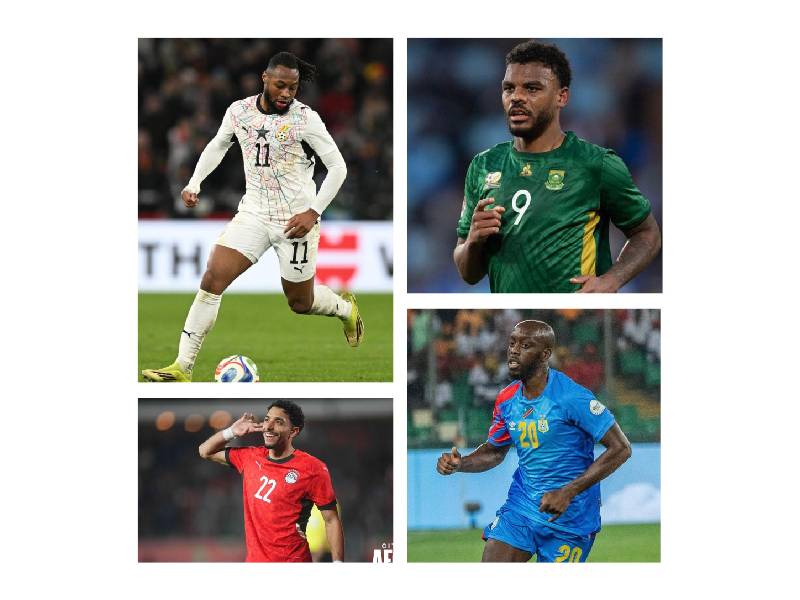
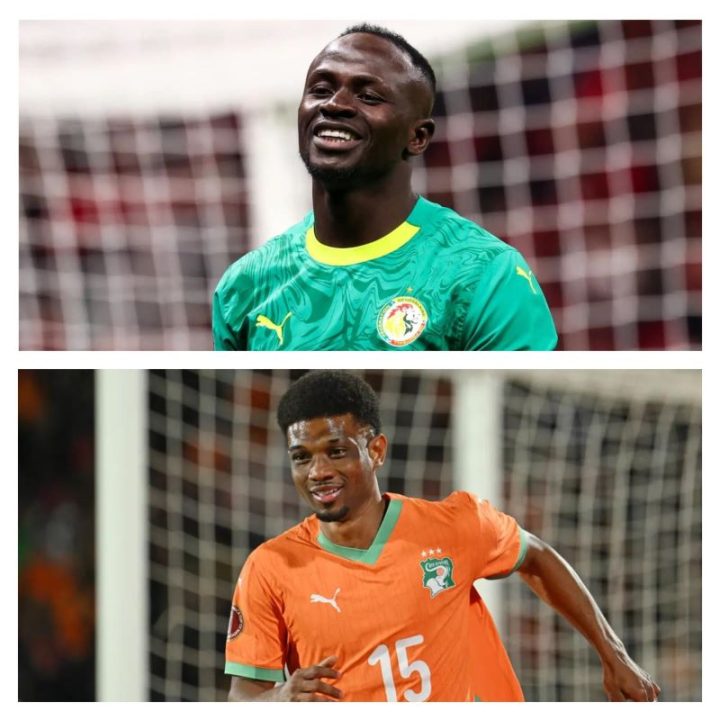
With veteran stars such as Mohamed Salah, Sadio Mané, and Mohammed Kudus leading their respective national teams, alongside rising talents such as Antoine Semenyo, Ibrahim Mbaye, Amad Diallo, Yankuba Minteh, and Yan Diomandé, African football continues to demonstrate its readiness to compete at the highest level.
Equally important is the continent’s ability to continually replenish its talent pool. The emergence of a new generation of players behind established stars ensures that African football remains competitive and relevant in the global game. Unlike previous eras, when a nation’s fortunes often depended on one or two standout individuals, many African countries now field squads of players competing regularly in Europe’s top leagues.
At the highest level, African footballers have consistently showcased versatility, technical ability, athleticism, and tactical maturity. This depth matters because World Cups are rarely won through individual brilliance alone. They are won by squads capable of sustaining excellence over multiple matches, adapting to different opponents, and managing the physical and mental demands of a month-long tournament.
Perhaps for the first time in World Cup history, several African nations may enter the competition with talent pools that compare favorably with those of many of football’s traditional powerhouses.
Source: FunTimes Magazine
Beyond African Teams
Plausibly, the most fascinating aspect of the 2026 World Cup is that Africa’s impact may not be limited to African national sides.
Some of the players expected to define the tournament have African roots but represent countries outside the continent. Their stories reflect the increasingly interconnected nature of modern football and highlight the far-reaching influence of African talent.
France possibly provides the most obvious example. For decades, African heritage has been deeply woven into the fabric of French football. The same can be said of England, Belgium, the Netherlands, Switzerland, and increasingly Canada and the United States.
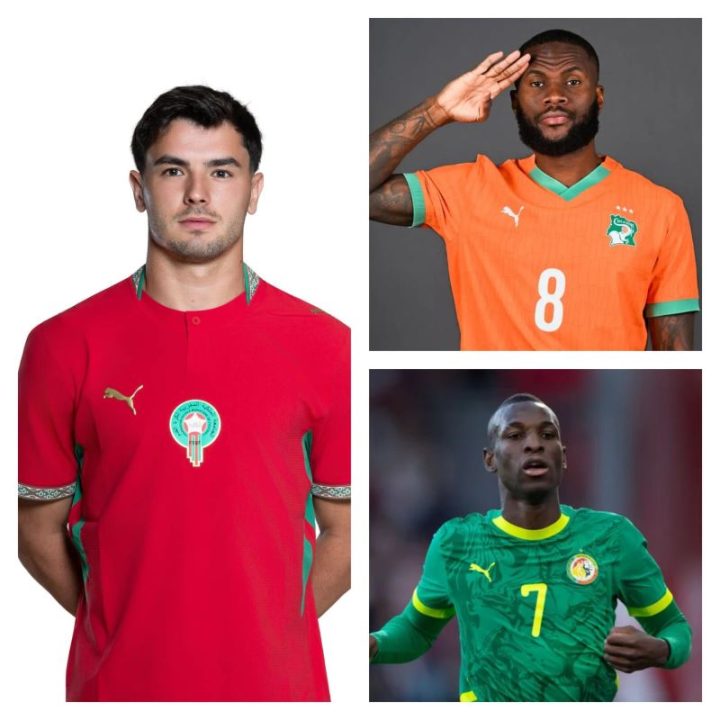
With names such as Iké Ugbo, born to Nigerian parents and representing Canada; Jérémy Doku, whose Ghanaian heritage remains a proud part of his identity while representing Belgium; Timothy Weah, son of Liberian football legend George Weah and a key figure for the United States; Folarin Balogun, of Nigerian heritage representing the United States; and Swiss internationals Manuel Akanji, Noah Okafor, and Breel Embolo, whose roots trace back to Nigeria and Cameroon respectively, Africa is set to see many of its sons showcase their talents on football’s biggest stage, even while wearing different colors.
This reality reflects football’s increasing global character. Migration, diaspora communities, multicultural societies, and dual-nationality pathways have created an environment in which African talent contributes significantly to national teams worldwide.
As a result, African influence will be visible in almost every phase of the tournament.

Africa’s Chances in the Mundial
No discussion about Africa’s prospects at the 2026 World Cup can ignore what happened in Qatar in 2022.
Morocco’s historic run to the semi-finals brought to the forefront not only the nation’s footballing excellence, but also the growing possibility that an African country could one day lift the World Cup trophy.
For decades, African teams were viewed as talented outsiders capable of producing memorable moments but unlikely to seriously challenge for the title. Their victories were often celebrated as surprises rather than indicators of genuine competitiveness.
Morocco changed that perception.
Their journey was not built on luck, emotion, or favorable circumstances. It was founded on tactical discipline, elite coaching, defensive organization, collective belief, and a squad of players competing at the highest levels of European football.
By overcoming footballing giants such as Belgium, Spain, and Portugal, Morocco demonstrated that African teams can not only compete with the traditional powers of the game but can outperform them when it matters most.
Their fourth-place finish represented more than a national achievement. It challenged long-standing assumptions about the limits of African football and provided a roadmap for others to follow.
For the ten African nations participating in this year’s tournament, Morocco’s achievement serves as both inspiration and instruction. The objective is no longer simply participation. It is no longer merely about reaching the quarter-finals or achieving a respectable group-stage showing. The ambition has evolved. The goal now is to reach the final and ultimately win the competition.
The question entering 2026 is no longer whether an African team can challenge the elite. It is ‘which African nation is best positioned to take the next historic step?’
Source: FunTimes Magazine
More African Nations, More Opportunities
The expansion of the World Cup to 48 teams significantly increased Africa’s representation. Under previous qualification systems, strong teams were often forced to eliminate one another long before the World Cup began.
The expanded format offers greater visibility and a broader platform for the continent to showcase its footballing development. More importantly, it increases the likelihood that one or two African teams will build momentum deep into the tournament. History has shown that confidence and momentum can be powerful forces in football. The more African nations that participate, the greater the probability that one emerges as a genuine contender capable of challenging for the title.
The increased representation also provides invaluable experience for younger players who may become the backbone of future African teams. Success at the World Cup is often built over multiple tournament cycles, and exposure at this level can accelerate the growth of entire footballing generations.
Could 2026 Be Different?
Every World Cup arrives accompanied by predictions, dark-horse selections, and speculation about potential surprises. Many football fans still remember Paul the Octopus, famously nicknamed the “Octopus Oracle.” During UEFA Euro 2008 and the 2010 FIFA World Cup in South Africa, Paul achieved global fame by correctly predicting the outcomes of numerous matches.
By choosing between food boxes marked with competing nations’ flags, the octopus reportedly achieved an impressive prediction success rate of around 87%, including correctly forecasting Spain’s World Cup triumph. Perhaps this year’s tournament will produce another footballing oracle capable of predicting an African champion.
Yet if history has taught us anything, it is that African football’s greatest achievements have rarely come through luck, superstition, or favorable predictions. They have come through talent, resilience, preparation, and determination.
Whether an African nation lifts the trophy or not, African players will undoubtedly shape the tournament in profound ways. They will influence matches, inspire fans, determine outcomes, and leave their mark on football’s greatest spectacle.

Okechukwu Nzeribe works with the Onitsha Chamber of Commerce, in Anambra State, Nigeria, and loves unveiling the richness of African cultures. okechukwu.onicima@gmail.com