Photo credit: The Bay State Banner
If someone had told you a month ago that Argentina, the defending world champions, led by Lionel Messi and packed with some of the finest footballers on the planet, would need extra time to knock out Cape Verde, you probably would have smiled politely and changed the subject.
After all, we are talking about a country of just over half a million people. A nation so small that many football fans could not even point to it on a map before this World Cup began.
Yet here we are.
Argentina won the match 3-2, but if football is really about winning hearts, then Cape Verde walked away with the bigger prize.
Long after the final whistle, it was not Argentina’s victory that dominated conversations. It was the fearless little island nation that refused to believe it was supposed to lose.
That has been the story of Cape Verde throughout this tournament.
They arrived at the 2026 FIFA World Cup as complete outsiders. Drawn into a difficult group with Spain, Uruguay and Saudi Arabia, very few pundits gave them a realistic chance of surviving. Most assumed they would simply make up the numbers before heading home quietly.
But Cape Verde clearly had other plans.
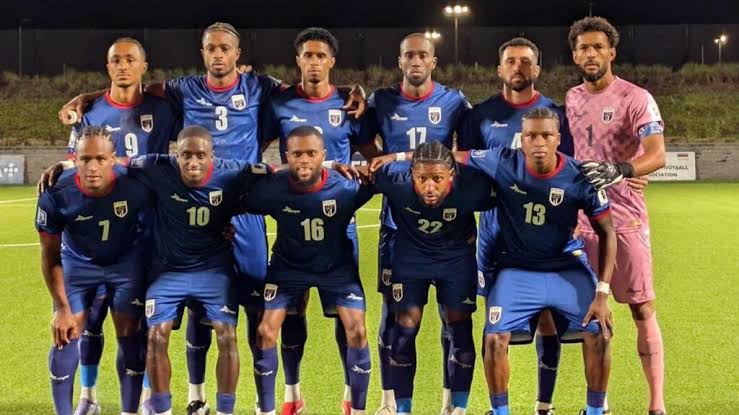
They frustrated Spain, stood toe-to-toe with Uruguay, and played every match with remarkable discipline, confidence and belief. There was no fear in their football. No inferiority complex. They played as though they belonged on football’s biggest stage, and with every passing game, they convinced the rest of the world that they did.
By the time they reached the knockout stage, they had become Africa’s surprise package and one of the tournament’s most beloved teams. Neutrals began rooting for them. Social media got filled with admiration for their courage, their organization and their refusal to be intimidated by bigger football nations.
Then came Argentina.
Instead of being overawed by Messi and the defending champions, Cape Verde looked them straight in the eye. Every Argentine attack was met with determined defending. Every setback was answered with resilience. Every time it seemed the favorites would finally pull away, Cape Verde found another response.
For more than 120 minutes, they forced one of football’s greatest nations to fight for every inch of the pitch. Argentina eventually escaped through an unfortunate own goal in extra time, but even the world champions admitted afterwards that the match was really different.
Sometimes football produces stories that remind us why billions of people love the game. They remind us that greatness is not always measured by population, wealth or history. Sometimes greatness is measured by courage.
Cape Verde may not be lifting the World Cup trophy this month, but they have achieved something that few expected. They have changed the way the football world sees them. They have inspired countless young Africans to believe that dreams do not need a large population or a famous football pedigree. They simply need a team willing to believe before anyone else does.
Big shoutout to Josimar José Évora Dias (Vozinha), Kevin Pina, Sidny Lopes Cabral and the Cape Verde national football team.
Years from now, when people look back on the 2026 FIFA World Cup, they will remember the champions. But they will also remember the tiny island nation that pushed Argentina to the brink, played without fear, and proved that sometimes the roughest stone turns out to be the brightest diamond of them all.

Victoria Ezechukwu-Nwagwu is an Associate Editor at FunTimes Magazine with a strong background in media, strategic communications, and editorial leadership. She brings a thoughtful, detail-driven approach to storytelling, content development, and collaboration, ensuring high editorial standards.
She plays a key role in shaping impactful narratives and driving creative innovation across the publication.