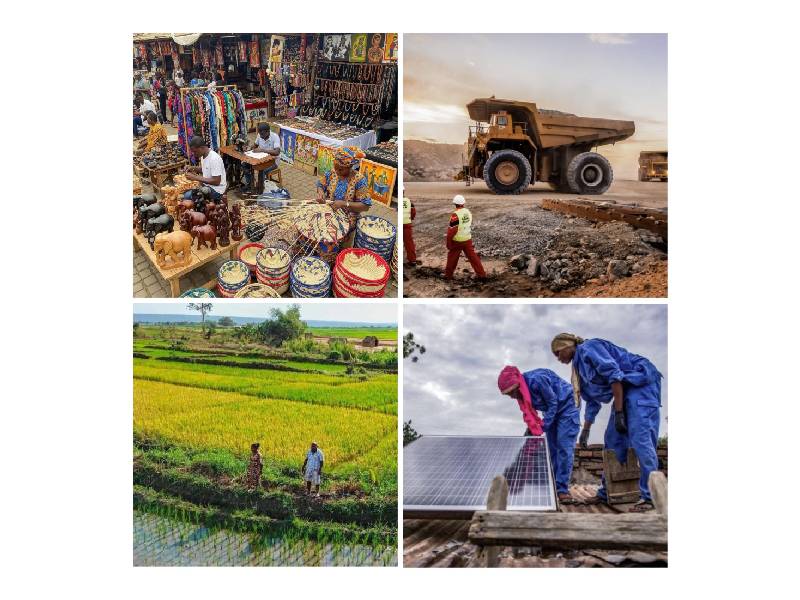
Collage courtesy: FunTimes Magazine
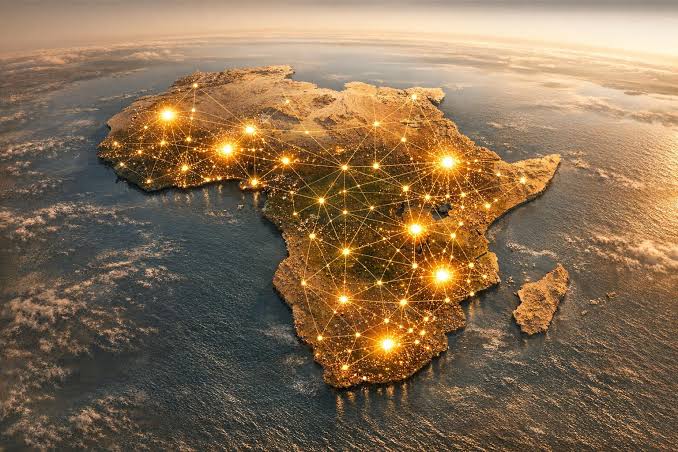
Across the US, Europe, and beyond, Africans in the diaspora send over $100 billion back home each year. That is more than foreign aid and foreign investment combined. It is a financial force big enough to rebuild economies. Imagine what could happen if it is pointed in the right direction.
For decades, many Africans living abroad have viewed the continent primarily as a place to send money home. Today, that narrative is changing. Africa is increasingly becoming a destination for wealth creation, entrepreneurship, and long-term investment.
We cannot deny the financial power of Black communities abroad. That is exactly why the future lies in investing, not simply sending money home.
Dr. Akinwumi Adesina, former president of the African Development Bank, summed it up perfectly during the 2025 Standard Chartered Africa Summit: “The future of Africa is bright. By tilting more global capital to the continent, we can expand investments to unlock the continent’s vast opportunities.
“Global financial institutions, commercial banks, investment banks, private equity funds, venture capital funds, institutional investors, and multilateral development banks must work together to make Africa the world’s investment growth frontier.”
Here are some of the top investment opportunities in Africa worth considering.
1. Fintech and Digital Payments
If you have used LemFi, Chipper Cash, Nala, or TapTap to send money home, you have already experienced one of Africa’s fastest-growing industries. With over 1 million active users, LemFi alone processes $1 billion in monthly transactions across 20+ countries.
Countries like Nigeria, Kenya, Ghana, and South Africa have become global leaders in mobile payments and financial technology. Millions of people who never had traditional bank accounts now access financial services through their phones. The continent had around 570 million internet users in 2022, a number that continues to increase, and with these numbers, fintech remains one of Africa’s strongest investment opportunities. Experts have increasingly highlighted the diaspora’s impact, a point underscored by Nigeria’s Central Bank governor, Olayemi Cardoso, during an interview on the sidelines of the IMF and World Bank meetings.
“They really want to invest … beyond just financially,” Cardoso said of Nigerians abroad.
Africa tops mobile money charts globally with $1.1 trillion in transactions, representing more than half of the world’s total. This makes fintech one of the continent’s fastest-growing investment sectors. For the diaspora, this presents opportunities to invest in startups, venture capital funds, or businesses providing payment solutions, remittance services, and digital banking.
Source: Facebook/ African Development Bank Group
2. Agribusiness and Food Processing
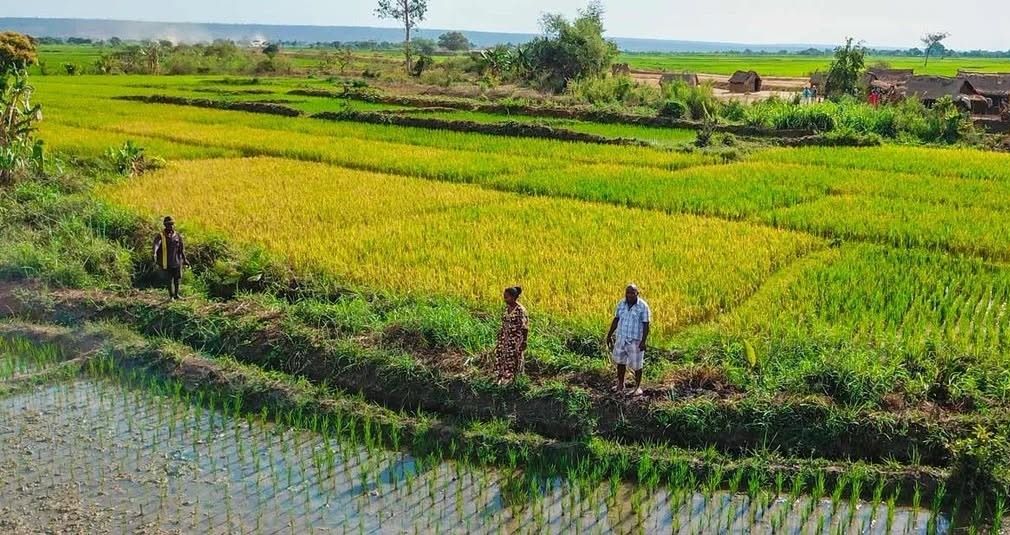
Agriculture remains Africa’s largest employer. The continent grows cocoa, cassava, and other cash crops, yet still imports billions of dollars’ worth of food each year despite holding 65% of the world’s remaining uncultivated arable land. That gap has opened the door to huge business opportunities.
New agritech startups are stepping in, using satellite data, AI, and digital tools to help smallholder farmers grow more and reach better markets. And guess what? Investors are paying attention because these businesses offer both profit and tangible progress on food security, something many diaspora investors care about.
The 2025 Africa Diaspora Report shows agritech is one of the fastest‑growing sectors on the continent, boosted by better logistics and rising global demand for African produce. Diaspora funding is also increasingly flowing into export farming, food processing, and supply‑chain improvements. Dr. Adesina estimates Africa’s food and agriculture market will reach $1 trillion by 2030.
The entry point for the diaspora looking to invest is not necessarily farmland; it is the processing, the distribution, the cold chain, and the technology layer that sits between the farmer and the consumer. Options range from commercial farms and processing plants to export‑focused agribusinesses and agricultural technology.
3. Healthcare, Telemedicine, and Pharmaceutical Manufacturing
COVID‑19 made it clear just how much Africa relies on imported medicine. This exposed the need for investment in local pharmaceutical production, according to the United Nations Conference on Trade and Development (UNCTAD). Since then, governments and private investors have been investing in hospitals, diagnostic centers, pharmaceutical manufacturing, and telemedicine. Africa’s healthcare gaps are also creating room for new clinics, wellness centers, and digital health platforms. Telemedicine, in particular, is growing quickly, driven by diaspora‑funded startups and rising smartphone use. This is making healthcare more accessible across rural and urban areas.
With populations growing and incomes rising, demand for quality healthcare is only increasing. More investors now see healthcare as a sector that is both profitable and socially impactful. Medical professionals in the diaspora are well positioned to contribute, whether through specialist clinics, health‑tech platforms, or partnerships with local providers.
Source: World Bank
4. Real Estate and Infrastructure
Africa’s cities are expanding rapidly, and as urban populations continue to grow, there is an increasing demand for housing, office space, shopping centers, warehouses, and student accommodation. As a result, real estate remains a top investment choice. According to diaspora investment analysts, Africans abroad are “heavily investing in real estate,” helping transform local economies and supporting urban growth across major African cities.
Over the past decade, more Africans living abroad have been partnering with local developers or investing in rental properties, gated communities, and commercial real estate across the continent. The key is understanding local regulations and working with reputable professionals before committing funds.
5. Renewable Energy and Solar Solutions
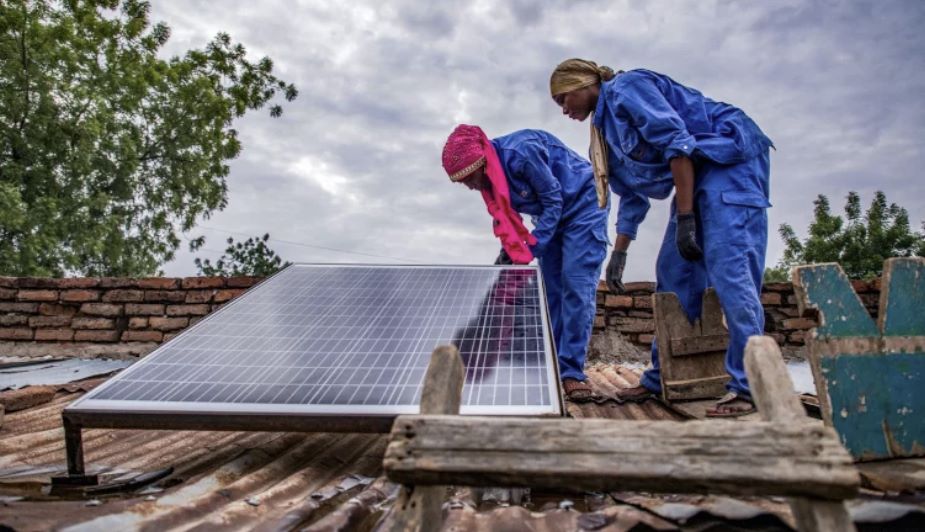
About 600 million Africans still lack access to reliable and affordable energy. While this gap presents challenges, it also creates one of the continent’s biggest investment opportunities. Sustainable energy has been identified as one of the three most compelling sectors for diaspora investors, especially solar and green infrastructure, supported by Africa’s rapidly expanding digital and mobile‑money ecosystem. Morocco is building one of the world’s largest solar plants, the Noor complex. In Mauritania, a green hydrogen project is expected to generate roughly $34 billion in investments.
Renewable energy is set to define Africa’s energy future, with the continent’s capacity expected to grow from about 180 gigawatts in 2030 to roughly 1.2 terawatts by 2050. And with unreliable power grids still a daily reality across much of the continent, off-grid solar, mini-grids, and pay-as-you-go energy models have become some of the most dependable and profitable businesses. It is also one of the easiest sectors for diaspora investors to feel good about, literally powering homes back home. For African professionals abroad working in engineering, construction, or sustainability, this offers an opportunity to bring both skills and capital into a sector that delivers strong returns and real impact.
Source: Africa Label Group
6. The African Creative Economy
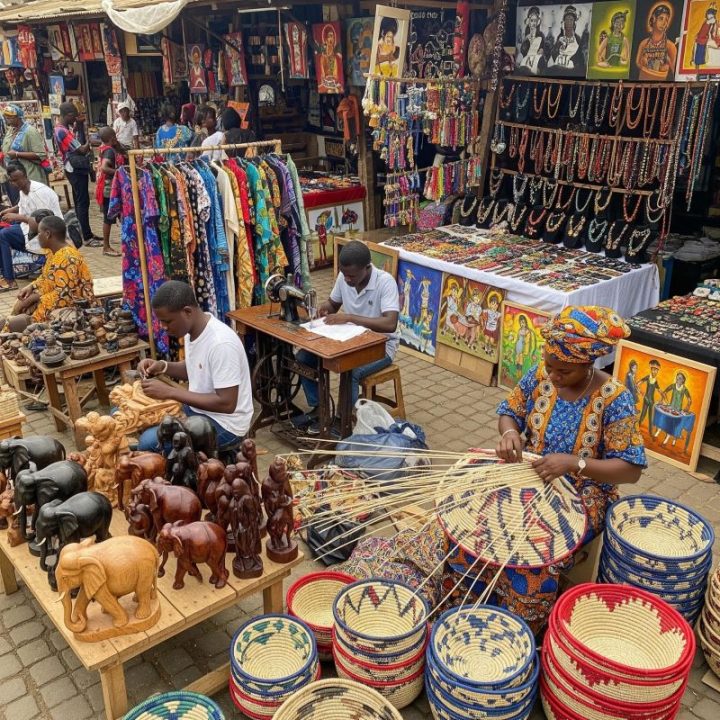
Nollywood is the second-largest film industry in the world. Afrobeats and Amapiano are now a global genre. The global appetite for African creative output has never been higher, and the platforms to help monetize it are still in their early stages. Africa’s creative economy has become serious business, and this extends beyond entertainment. It includes fashion manufacturing, beauty, and personal care. African fashion is on the runway in Paris, Milan, and New York. The African beauty market is one of the fastest-growing in the world.
Diaspora investors know these markets from lived experience, and that cultural understanding gives them an edge over foreign investors. Studios, streaming platforms, and fashion houses are attracting investment, and for Black entrepreneurs abroad, this is beyond culture; it is about intellectual property, technology, and global exports.

Source: Invest Africa
7. Mining and Minerals
The global transition toward electric vehicles and renewable energy infrastructure relies on resources like copper, lithium, and cobalt, and Africa holds the majority of the world’s reserves of all three. Countries like DRC, Namibia, and Zimbabwe are attracting global mining investment with new regulations and sustainability commitments. Zambia’s copper and cobalt resources, alongside green minerals processing and energy infrastructure, are attracting significant investor interest.
Africa needs to move from just exporting raw minerals to actually processing them at home. Diaspora investors can play a big role in pushing for this change, helping keep jobs and economic value on the continent rather than shipping ore abroad.
None of these investment opportunities is without risk. Political instability, currency volatility, regulatory inconsistency, and infrastructure gaps are real considerations across many African markets. Therefore, anyone planning to invest should research the specific country as much as the sector, because Nigeria and Rwanda are not the same market. Build trusted partnerships, and also consider starting with sectors where you have professional expertise or cultural fluency. And think in decades, not quarters. The opportunity is real, but so are the risks.