Source: Factssa
In the world today, chronic illnesses such as diabetes, hypertension, heart disease, obesity, and certain cancers are becoming increasingly common. Families are seeing more loved ones battle conditions that were once largely associated with older generations.
What could be the problem?
Busy work schedules, long commutes, and changing lifestyles have significantly influenced eating habits. Many people now rely heavily on processed and convenience foods to get through the day. These poor eating habits, combined with reduced physical activity, have contributed to many of the health challenges we face today.
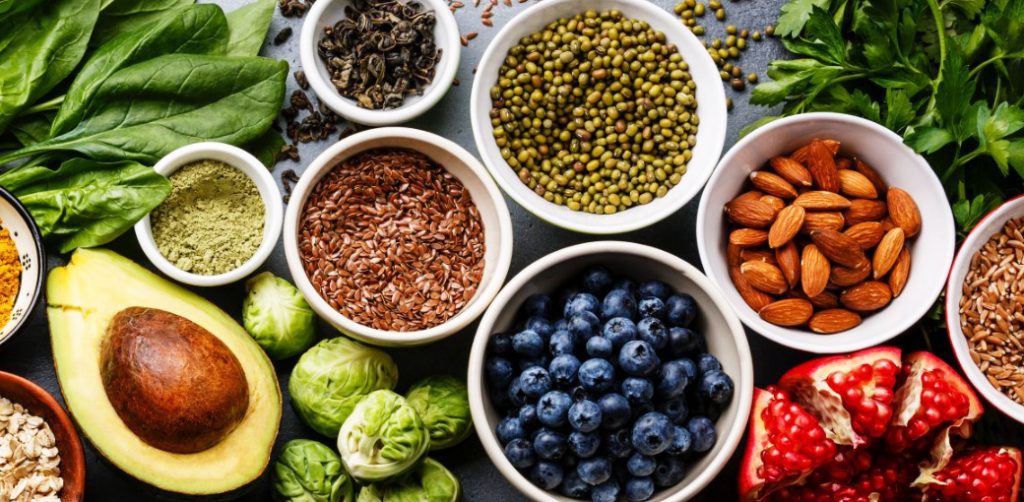
It is worth noting that Africa is home to one of the world’s richest traditions of natural healing, with generations of knowledge preserved through indigenous foods, fruits, herbs, and plant-based ingredients. Long before modern wellness trends gained popularity, African communities used nutrient-rich foods not only for nourishment but also to support overall health and well-being.
Today, growing interest in African superfoods, traditional African diets, and natural health remedies is prompting many people to reconnect with these time-tested ingredients to reduce disease risk and support long-term wellness.
Below are 8 indigenous African foods whose nutritional benefits have earned them a place among the continent’s most celebrated natural health treasures.
1. Hibiscus (Hibiscus sabdariffa)
Hibiscus is a member of the Malvaceae family, popularly known across many parts of West and East Africa as Zobo. For generations, hibiscus has been consumed as a refreshing beverage or incorporated into salads, sauces, and soups.
Beyond its pleasant taste, studies have shown that hibiscus may help lower blood pressure due to its antioxidant properties.
Research published by ScienceDirect notes that hibiscus serves both as a culinary ingredient and a traditional medicine in many countries. Studies have identified anti-inflammatory, anti-diabetic, antihypertensive, antimicrobial, and antioxidant properties associated with its bioactive compounds, including anthocyanins, polyphenols, flavonoids, ascorbic acid, and hibiscus acid.
2. Millet
Millet, one of Africa’s oldest grains, is another nutritional treasure and forms a critical part of traditional African foods associated with healthier blood sugar management and weight control.
Several species of millet are indigenous to Africa:
- Pearl Millet (Pennisetum glaucum) is common across the Sahel region, including Senegal, Mali, Mauritania, and northern Nigeria.
- Fonio (Digitaria exilis) is widely cultivated in Guinea, Mali, and Burkina Faso.
- Teff (Eragrostis tef) is indigenous to Ethiopia and Eritrea.
- Finger Millet (Eleusine coracana) is cultivated in parts of East Africa, including Ethiopia and Uganda.
Long before imported cereals became popular, millet varieties served as staple foods across many African communities.
Millets are also blended into healthy traditional beverages such as Kunu (Northern Nigeria), Fura da Nono (Northern Nigeria), and Zomkom (Northern Ghana, Burkina Faso, and neighboring Sahel countries). Rich in fiber, vitamins, minerals, and complex carbohydrates, millet provides sustained energy and generally has a lower glycemic impact than many refined grains, making it valuable for people seeking better blood sugar control.
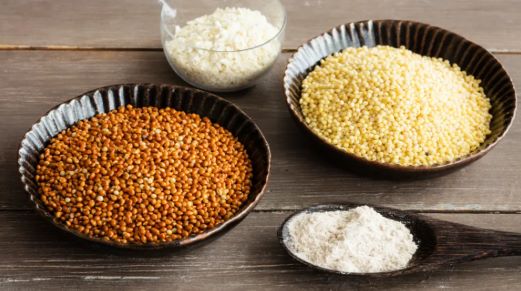
Millet, image source: Healthline
3. Jute Mallow Leaves
Jute mallow leaves (Ewedu), along with Efo Tete (African spinach) and fluted pumpkin leaves (Telfairia occidentalis), native to West Africa, are rich in antioxidants, flavonoids, vitamins A, C, and K, and plant pigments that help combat oxidative stress, a process linked to chronic disease development.
These vegetables are traditionally used to manage anaemia and boost red blood cell production. They provide excellent dietary fiber for gut health, helping prevent constipation and poor digestion.
4. Bambara Groundnut
Bambara groundnut (Vigna subterranea) is a nutrient-rich African legume gaining renewed attention from nutritionists and agricultural researchers.
It is a rare “complete” plant food because it contains all essential amino acids, particularly high levels of methionine and lysine, making it an excellent meat substitute.
Rich in essential minerals including potassium and iron, Bambara groundnut helps support digestive health, blood sugar regulation, and heart health. Its high fiber content can promote satiety, making it a valuable food for weight management.
5. Edible Spider Plant Leaves
Spider plant leaves are widely consumed in parts of East and Southern Africa and are increasingly being recognized as a nutritional powerhouse.
They are rich in vitamins A and C, calcium, iron, and antioxidant compounds that help strengthen the immune system and support healthy vision and bone health.
In African folk medicine, the leaves are used to treat scurvy, mild fevers, headaches, and respiratory issues like chest congestion. They are also recommended for pregnant and lactating women to ease dizzy spells, shorten labor, and improve postpartum recovery.
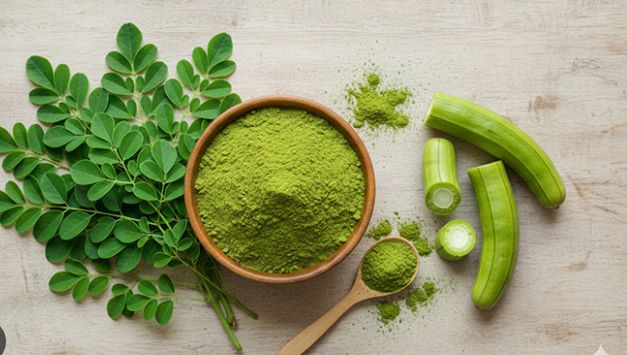
Moringa, image source: Fitpass
6. Moringa
Few African plants have gained as much international recognition as moringa. It is a fast-growing, drought-resistant tree highly valued for its extreme nutritional density. It contains antioxidant and anti-inflammatory properties.
Moringa oleifera, also known as the drumstick tree, miracle tree, ben oil tree, or horseradish tree, has been used for centuries for its health benefits. Its leaves are rich in vitamins A, C, and E, as well as calcium, potassium, and protein.
Research suggests that moringa may help reduce inflammation, lower blood lipids, protect the liver, and support overall cardiovascular health.
7. Tamarind
Tamarind is widely consumed across Southern, Eastern, and parts of West Africa. The fruit’s distinctive sweet-sour taste makes it a popular ingredient in beverages, sauces, and traditional remedies.
Tamarind contains antioxidants, magnesium, potassium, and dietary fiber, all of which contribute to digestive health and cardiovascular wellness. Despite its natural sugars, tamarind has a low glycemic index, reducing the likelihood of sharp blood sugar spikes. Its natural compounds may also help reduce inflammation and support healthy cholesterol levels.
8. Baobab Fruit
Known as the “Tree of Life,” the baobab tree produces one of Africa’s most nutritious fruits.
Baobab fruit contains exceptionally high levels of vitamin C, antioxidants, calcium, potassium, and dietary fiber. These nutrients help support immune function, digestive health, skin health and collagen production. Increasingly, baobab powder is finding its way into global health food markets, but African communities have valued its benefits for centuries.
As chronic diseases continue to rise worldwide, there is growing recognition that food can play a powerful role in prevention and long-term health.
Africa’s indigenous foods offer more than cultural heritage; they provide valuable nutritional resources that have sustained communities for generations. While these foods are not cures for chronic illnesses, incorporating them into a balanced diet may help support overall wellness and reduce the risk of many lifestyle-related diseases.