Source: unibas.ch
“Globally in 2024, there were an estimated 282 million malaria cases and 610,000 malaria deaths across 80 countries. The WHO African Region carries a disproportionately high share of the global malaria burden. In 2024, the region accounted for 95% of malaria cases (265 million) and 95% (579,000) of malaria deaths. Children under five accounted for about 75% of all malaria deaths in the region.” – World Health Organization.
These are not just statistics; they are lives, especially the lives of children whose existence guarantees the future and progress of Africa as a continent. As far back as the mid-20th century, the global fight against malaria became a coordinated international effort, with nations coming together to proffer solutions and mobilize funding to combat the disease.
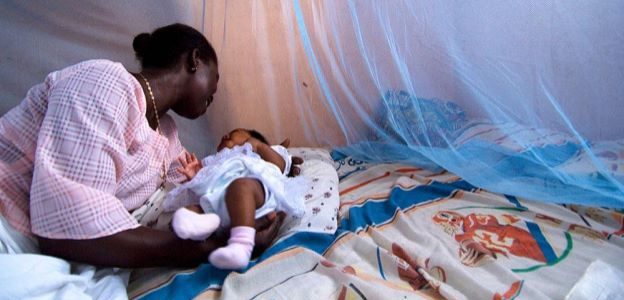
Today, with pharmaceutical treatments such as Artemisinin-based Combination Therapies (ACTs), Chloroquine, Hydroxychloroquine, and Intravenous (IV) Artesunate, and non-pharmaceutical interventions like insecticide-treated mosquito nets, environmental hygiene, indoor residual spraying (IRS), and repellents, combating malaria has become significantly more effective.
The big question, however, remains: why do the numbers persist?
Every year, as World Malaria Day comes around, the messaging feels familiar. We talk about prevention, we talk about mosquito nets, we talk about vaccines, we renew partnerships, and highlight progress. And while these conversations are important, they are beginning to sound like a worn-out cliché.
This Saturday, April 25, the world once again marks World Malaria Day with the campaign theme: “Driven to End Malaria: Now We Can. Now We Must.” The strategies to combat the disease have already been mapped out and documented. Vaccines are becoming more accessible. The messaging is clear. What remains is the urgency of closing the implementation gap and ensuring that deaths from malaria are driven down to zero.
Taking the fight head-on
Source: globalgiving.org
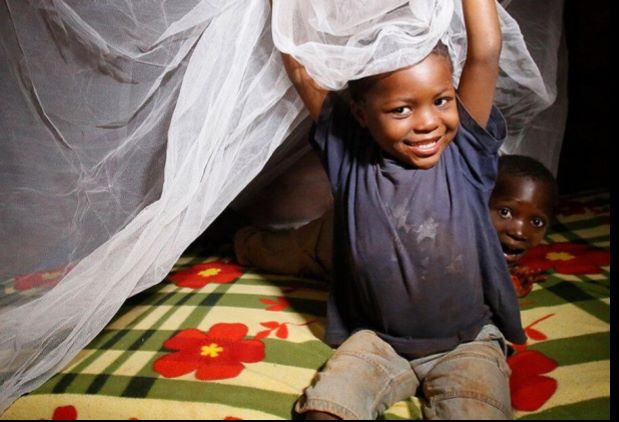
In the fight against malaria, significant progress has been made. Over the last two decades, the global response has scaled considerably. Insecticide-treated nets (ITNs) have been distributed in the millions. Rapid diagnostic tests are now more widely available. Artemisinin-based combination therapies (ACTs) have become the standard for treatment.
More recently, vaccines such as RTS,S/AS01 (Mosquirix) have been introduced, offering a new layer of protection for children. With years of research, collaboration, and investment behind us, ending malaria is no longer a distant aspiration; it is within reach. But this will only happen if governments in affected African countries ensure that vaccines and other interventions are consistently available across the regions most impacted, and accessible in hospitals and primary healthcare centres. It will also require deliberate prioritization of those most vulnerable.
So, who are the most affected?
Rural communities, low-income households, children under five, pregnant women, and populations with limited access to healthcare infrastructure. While urban centres often benefit from better healthcare systems, increased awareness, and quicker intervention, remote communities are left to navigate long distances to clinics, inconsistent drug availability, and limited preventive resources.
It is in these communities that African governments can and must do more by taking the fight directly to the people.
Finding strategies that work
You can distribute millions of mosquito nets, but if they do not reach rural households or if the people they are meant for do not understand how to use them properly, their impact remains limited. You can approve life-saving vaccines, but if health systems lack trained personnel or efficient delivery mechanisms, the problem persists.
What is needed are strategies that are both homegrown and executed with discipline and accountability. This is what will truly reduce the number of cases.
Across several African countries, malaria programmes still rely heavily on donor funding. International organizations and partners continue to play a critical role in sustaining interventions. However, this dependency sometimes limits the ability of countries to develop and implement context-specific solutions tailored to their realities.
When funding is externally driven, priorities can become misaligned with local needs. Programmes may be designed to meet global benchmarks rather than address community-level challenges. Reporting can begin to take precedence over real impact, creating gaps in accountability and effectiveness.
This is where domestic funding must take centre stage. Governments need to move beyond reliance on external donors and treat malaria control as a core national investment. This means increasing budgetary allocations to the health sector, with targeted spending on tools, infrastructure, and resources, especially in rural areas and among vulnerable populations.
Local ownership is critical. It not only strengthens accountability but also improves data collection, supports research, and ultimately delivers better outcomes in the fight against malaria.
Closing the gap
As the world marks World Malaria Day, the World Health Organization projects that the possibility of ending malaria is greater now than ever before. In its campaign message for this year, it states:
“Science is advancing faster than ever. For the first time, ending malaria in our lifetime is a real possibility. New vaccines, treatments, malaria control tools, and pioneering technologies, including genetically modified mosquitoes and long-acting injectables, are in development.
“Already, 25 countries are rolling out malaria vaccines to protect 10 million children each year. Next-generation mosquito nets now account for 84% of all new nets distributed. Nationally led programmes are driving change. The possibility has never been greater.” – World Health Organization.
All that remains is for African governments to refine and strengthen their fight against malaria. We know what works. We have the tools. We understand the terrain. And we have partners ready to support this fight.
What is required now is the discipline to consistently execute the policies and programmes that have already been designed.
Step by step, we can bring an end to malaria in Africa.

Okechukwu Nzeribe works with the Onitsha Chamber of Commerce, in Anambra State, Nigeria, and loves unveiling the richness of African cultures. okechukwu.onicima@gmail.com