Image: Prime Video
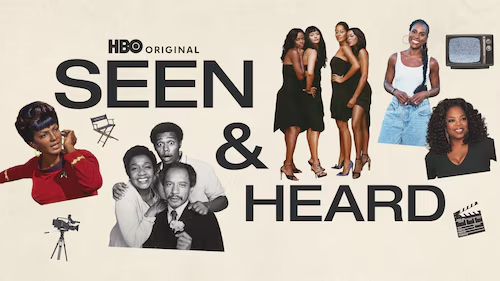
I recently watched Issa Rae’s two-part HBO documentary, Seen & Heard: The History of Black Television. I honestly think it’s her most important work so far. Rae always focuses the discussion on Black creative power, and this series is a must-see. More than just a history lesson about classic TV, it acts as a necessary deep dive into an industry that has made huge profits from Black talent while denying them control. It is an essential watch, not just for looking back, but as a crucial guide for understanding the challenging path to real representation.
The first installment, “Seen,” establishes the complicated foundation. It traces Black visibility on American television from the dehumanizing caricatures of Amos’n Andy to the eventual breakthroughs of the 1970s and 1980s. The documentary celebrates the cultural milestones of shows like Good Times and The Jeffersons, yet simultaneously offers sharp commentary on their limitations. I was struck by the reminder that visibility, while a significant achievement, was often filtered through a predominantly white lens, leading to compromises, stereotypes, and constant pressure on Black performers to be palatable to a broad audience. This segment powerfully frames the tension inherent in Black representation: the joy of seeing oneself reflected, tempered by the knowledge that the narrative is owned and controlled by others.
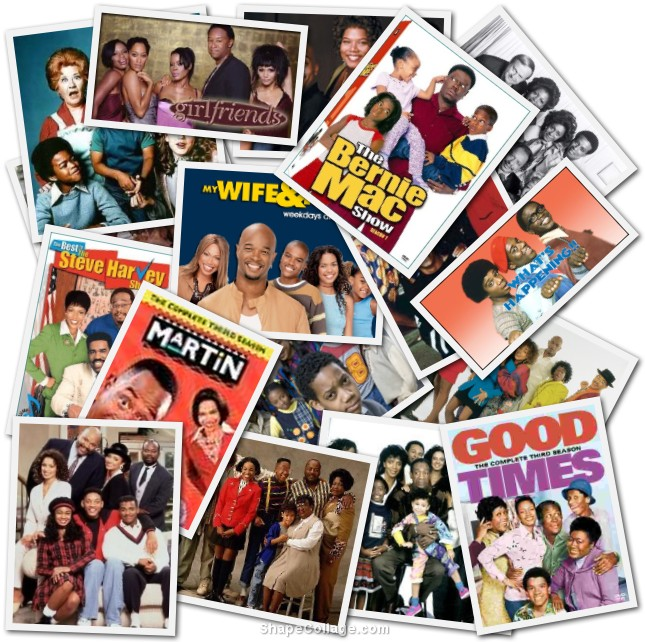
The second part, “Heard,” makes the crucial pivot, arguing that visibility is meaningless without authorship. Featuring heavy-hitters like Oprah Winfrey, Shonda Rhimes, and Tyler Perry, this section highlights the modern push for creative and economic ownership. The trailblazers candidly discuss fighting for authentic narratives, from demanding diverse writers’ rooms to building their own studio empires entirely outside the traditional system. The documentary provides vital context for recent events, linking the golden age of Black sitcoms in the 1990s to the abrupt “great disappearance” of Black scripted shows in the early 2000s, which were often replaced by exploitative reality television. This cyclical nature of progress (the industry providing opportunity only to snatch it back) makes the case that true power lies in owning the table, not just having a seat at it.
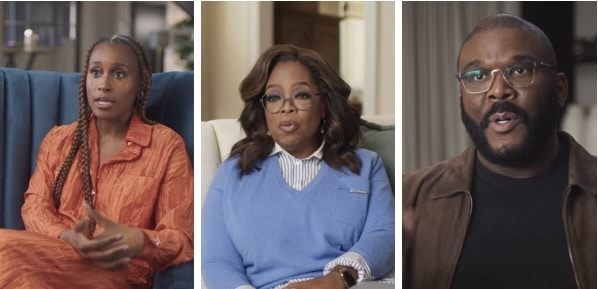
For me, Seen & Heard is essential because it is a call to action disguised as a history lesson. It forced me to move past simple celebration and really ask difficult questions about systemic barriers, proving that the struggle for Black television has always been a struggle for cultural self-determination. By centering the voices of the creators, writers, and producers who have been marginalized, Rae and her team deliver a definitive, powerful statement on the past, present, and necessary future of Black storytelling.
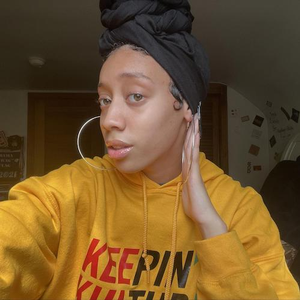
Kyrah Page is currently a student at Lincoln University. She is also the CEO and founder of her own brand called “Keepin’ It Kultured.” Where she combines art with activism to empower, inspire and educate the Black community. She advocates for change, promotes black positivity, and addresses controversial issues. Kyrah is many things but most importantly she is an activist.