
Image Source: Shutterstock
What if your name can tell a stranger everything about you? Your family, your story, your faith, even before you speak. For many people in the diaspora, that is exactly what happens. A simple classroom roll call or interactive session can turn into a moment of pause, curiosity, and even admiration.
Igbo names do not whisper. They speak boldly. They carry meaning, memory, and identity across the oceans, refusing to be silenced or forgotten. They carry deep cultural, spiritual, and philosophical significance. Among the Igbo people of South-Eastern Nigeria, naming reflects history, beliefs, the circumstances surrounding birth, and aspirations for the future. As Igbo communities have spread across the globe through migration, these names have served as powerful markers of identity in the diaspora.
One of the most striking features of Igbo names is their strong connection to spirituality, especially the frequent reference to God (Chi or Chukwu). Names such as Chukwuemeka (meaning “God has done great things”) and Chinonso (meaning “God is near”) remain widely used among Igbo families abroad.
These names are affirmations of resilience and gratitude, especially in unfamiliar places where cultural grounding becomes essential. In diaspora communities, naming often becomes a deliberate act of cultural preservation. Parents consciously choose native names to ensure their children maintain a connection to their heritage despite growing up in different cultural environments.
To better appreciate the richness of Igbo names, here are some popular Igbo names and their meanings:
1. Chinedu – God leads
2. Chioma – God is good
3. Chukwuemeka – God has done great things
4. Chinonso-God is near
5. Ifeoma – Good thing
6. Obinna – Father’s heart
7. Nkem – My own, Mine
8. Amarachi – God’s grace
9. Kelechi – Thank God
10. Okechukwu – Gift from God
11. Chiamaka – God is beautiful
12. Somtochukwu -Join me in praising God
13. Chizitere – God’s sent
14. Chisom – God follows me
15. Ugochukwu – Pride of God
16. Ngozi – Blessing
17. Oluchi – God’s work
18. Chukwuebuka – God is great
19 Ikenna – Father’s strength
20. Somadina – May I not be alone
21. Chukwudi – God exists
22. Naetochukwu – Always praise God
23. Obiageli – One who has come to enjoy wealth
24. Chinyere – God’s gift
25. Nnaemeka – Father has done well
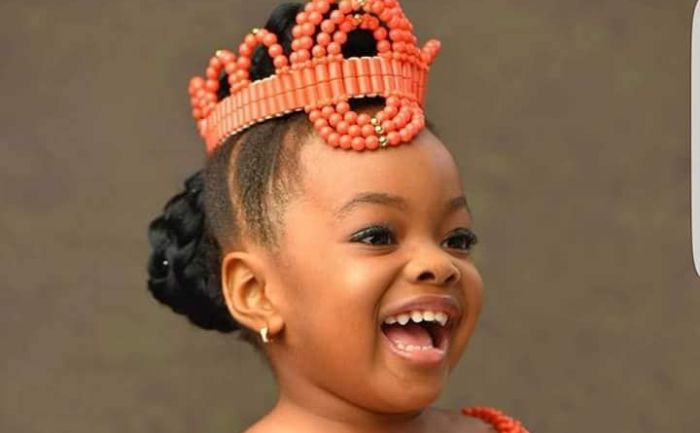
Image source: Buzz Nigeria
26. Ozioma – Good news
27. Chidera – God’s will
28. Uchenna – Father’s wisdom
29. Adaeze – King’s daughter (Princess)
30. Chukwuka – God is supreme
However, living outside the seashore of Nigeria can be challenging. Many Igbo names can be difficult for those who cannot pronounce or understand them, leading them to adopt shortened versions. For instance, Obiageli may become Oby. Despite this, a growing trend among younger Igbo diaspora individuals to reclaim and proudly use their full names emphasizes authenticity over convenience.
Another interesting trend is the blending of cultures through naming. Some diaspora families give their children both Igbo and Western names, such as Grey Chukwudi or Amaka Linda. In such situations, the Igbo name often holds a deeper meaning while the Western name may serve practical purposes in social or professional settings. Still, the Igbo name remains a core part of identity, especially within family and community circles.
Technology and social media have also played a huge role in revitalizing interest in Igbo names. Platforms like TikTok and Instagram have created spaces where people share the meanings and pronunciations of their names, fostering pride and awareness. This digital visibility helps normalize African names globally and challenges the pressure to conform to Western naming conventions.
Importantly, Igbo names in the diaspora are not static. They evolve while retaining their essence. Some parents create new names or modify existing ones to reflect contemporary experiences, yet they still anchor them in traditional linguistic structures and meanings. This adaptability highlights the dynamic nature of culture.
Popular Igbo names in the diaspora are vessels of heritage, faith, and identity. Despite distance and cultural assimilation, these names thrive and connect generations to their roots. They also adapt to new environments. Through them, the Igbo diaspora ensures culture endures across borders and time.