Source: Penn State
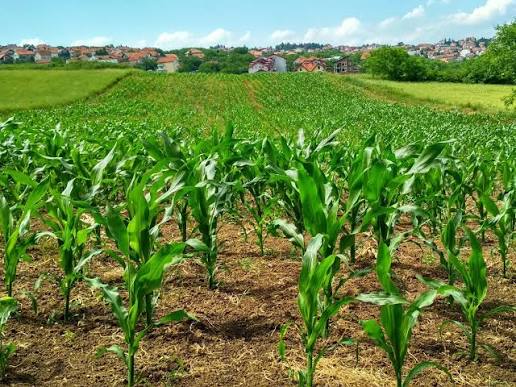
Pastor Darien Thomas remembers dinnertime in Eastwick as a walk to the backyard. Onions, tomatoes, cucumbers: you pulled what the meal needed and carried it in. “We grew our own food,” he told the Inquirer in 2023, as co-founder of the group behind a Black farmers market in Southwest Philadelphia.
Keep that yard in mind. This whole story is about what happens when a door we were told to walk through gets shut, and what people build when they decide never to depend on one door again.
By 1910, Black farmers worked roughly 925,000 farms, 14% of all farms in the country. Over the past century, Black farmers lost an estimated 16 million acres, much of it through discrimination by the federal agencies meant to serve them.
On March 23, 2026, the USDA sent termination notices to 49 of the 50 organizations running the Increasing Land, Capital, and Market Access Program, according to Essence. The program was a nearly $300 million effort that funded down payments, startup capital, and plans for passing land down. The terminations took effect three days later. The letters described the program as preferential and wasteful.
Dr. JohnElla Holmes, who leads the Kansas Black Farmers Association, was working with six farmers preparing to buy small farms. Essence described farmers at that stage as gathering paperwork, calculating payments and finally seeing a real path to ownership. Holmes has since said, in a statement released through the National Young Farmers Coalition, that those opportunities may be gone entirely. John Boyd, founder of the National Black Farmers Association, told theGrio why the stakes go past money: “Land was freedom.”
On June 30, Capital B reported, a federal judge preliminarily ordered the USDA to reinstate $127 million in grants to organizations that sued, among them the 2020 Farmers Cooperative, the Kansas Black Farmers Association and the Center for Heirs’ Property. “Preliminarily” means the fight is not over. Sharon Mallory’s cooperative had signed agreements with farmers and planned to buy equipment and land. She said in the lawsuit that the termination had “undone 2020 Farmers Cooperative’s long-term work in building trusting relationships.”
Money can be wired back. Trust has to be rebuilt by people, one season at a time. So here’s the question for this October: what do you build that a letter cannot end?
In Philadelphia, part of the answer may be found in the small pieces of land that residents have refused to give up on. Community gardens, neighborhood farms and farmers markets are not substitutes for the millions of acres Black Americans have lost. But they offer something that cannot be measured by acreage alone: a chance to decide what happens to the land around them and who benefits from it.
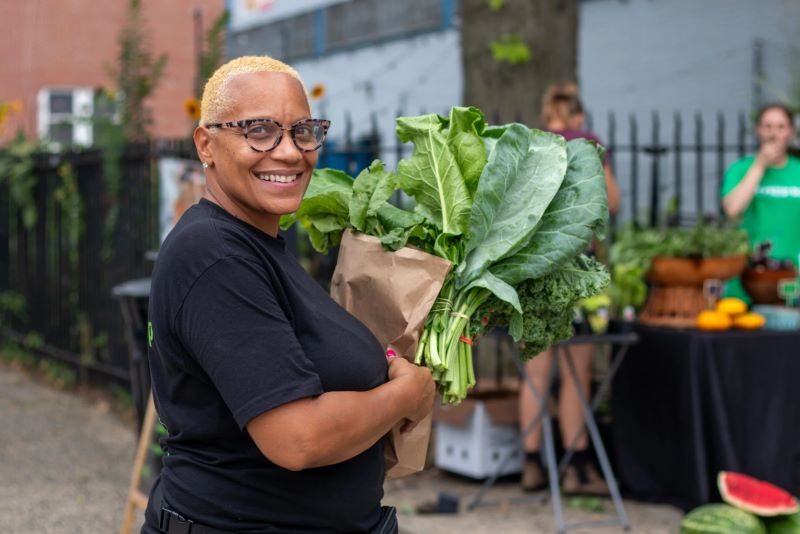
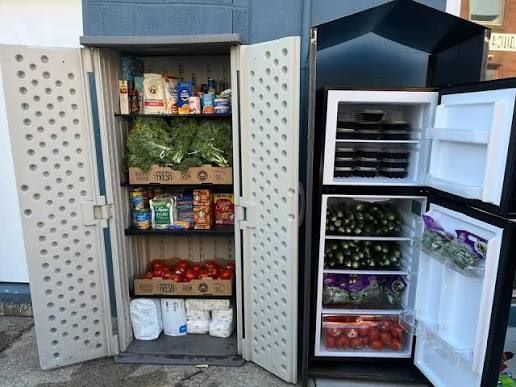
Source: Get Fresh Daily
A vacant lot can become a garden. A garden can become a place where children learn how food grows, where older residents pass down knowledge and where neighbors begin depending on one another. A farmers market can give a small grower somewhere to sell without surrendering most of the earnings to a long chain of intermediaries.
Yet growing food and owning the ground beneath it are two different things.
A neighborhood may spend years restoring a neglected property, only to discover that rising land values have made the same ground attractive to developers. Without secure ownership or a long-term agreement, the people who brought that space back to life may have little say in what happens next.
That is why protecting Black land in Philadelphia must also involve the less visible work of checking property titles, understanding inheritance laws, preparing wills and exploring collective ownership arrangements. Community land trusts, for example, can help keep land under community stewardship while creating opportunities for affordable housing and other neighborhood uses.
The same principle applies to family homes. A house purchased decades ago may represent the largest asset a family owns. But when an owner dies without a clear estate plan, disagreements among heirs, unpaid taxes or mounting repair costs can put that property at risk. Keeping wealth in a family sometimes begins with an uncomfortable conversation around a kitchen table about who owns what and what happens next.
For Black Philadelphians, the question is not simply how to acquire property. It is how to keep it long enough for the next generation to benefit.
There is also a lesson in the farmers who were preparing to purchase land before the federal funding disappeared. Their plans required more than ambition. They needed financing, reliable information, legal guidance and people who understood the process. Those needs do not vanish when a government program ends. Neither does the possibility of organizing around them.
Local institutions, neighborhood associations, churches, cooperatives and community organizations can help connect residents to the knowledge and relationships that make ownership more sustainable. They cannot replace public investment on the scale needed to address generations of land loss. But they can help ensure that families are not left to navigate complicated systems entirely alone.
Pastor Thomas’s backyard in Eastwick offers a useful place to return. The onions, tomatoes and cucumbers were food, certainly. They were also evidence of a household with access to land and the knowledge to make something of it.
That distinction matters in 2026.
A grant can help someone purchase a farm. A court can order funding restored. A city can support neighborhood agriculture. Each matters. But lasting wealth also depends on what happens afterward: whether ownership is protected, whether knowledge is passed down and whether the next generation inherits something more secure than a promise.

Anand Subramanian is a freelance photographer and content writer based out of Tamil Nadu, India. Having a background in Engineering always made him curious about life on the other side of the spectrum. He leapt forward towards the Photography life and never looked back. Specializing in Documentary and Portrait photography gave him an up-close and personal view into the complexities of human beings and those experiences helped him branch out from visual to words. Today he is mentoring passionate photographers and writing about the different dimensions of the art world.