
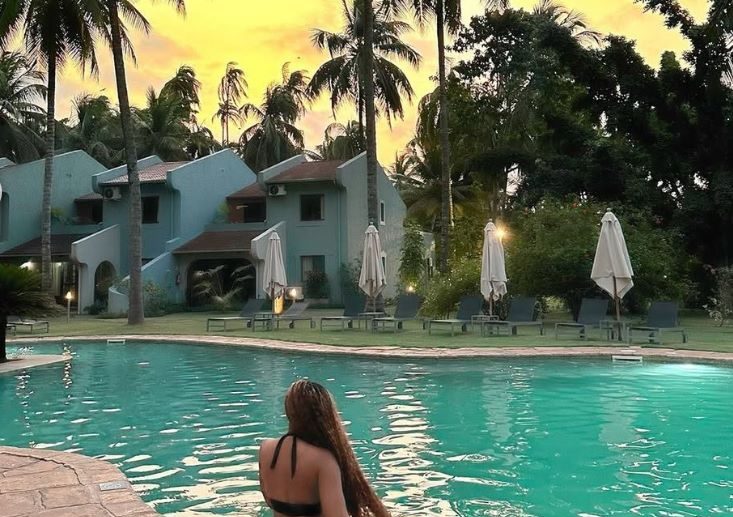
Source: Instagram / saotometravel
Have you ever felt quiet exhaustion, the kind that sits in your bones and comes from navigating high-pressure careers while carrying the weight of cultural expectations? If you have, then you already understand why so many Black travelers are looking for something different. Not another crowded-city break with tourists all over the place. Not another “Instagram‑perfect” vacation that leaves you more tired than when you left. But a place where your nervous system can finally unclench. A place where you can breathe again.
For many in the diaspora, that search is leading to a tiny island nation off the coast of Central Africa: São Tomé & Príncipe. Black travelers from the U.S., UK, Canada, and around the world are beginning to ignore the traditional glitzy resorts or flashy marinas for the second-least populated country in Africa and one of the least visited places on the planet. They aren’t just going for the “Instagrammable” views; they are going for a specific kind of wellness that feels like an ancestral homecoming.
The first reaction of many people, especially those in the diaspora, may be, “Wait… where is that?”
São Tomé and Príncipe is an island country in the Gulf of Guinea, off the western equatorial coast of Central Africa, approximately 150 miles west and north-west of the Gabonese capital, Libreville. It is located directly on the Equator, sitting right at the planet’s centre point and often poetically referred to as Earth’s belly button.
It’s not the flashiest destination, and it certainly isn’t commercial, and that’s its magic. Nature breathes here. As a UNESCO Biosphere Reserve, the island remains one of the planet’s most protected and untouched sanctuaries. With great beaches, tropical rainforests, and a population of approximately 230,000, it is a place to explore and detach yourself from the rest of the world.
In a world where Black people are constantly navigating stress, microaggressions, burnout, hustle culture, immigration pressure, and generational expectations, São Tomé & Príncipe offers stillness, safety, and softness. It feels like a wellness sanctuary because the environment itself does much of the work.
Here’s why Black travelers are increasingly drawn to these islands:
An experience of what real wellness feels like
It’s the perfect destination for rest, reset, and recovery. The islands naturally align with wellness trends that many Black people are already embracing, such as plant-based eating, mindfulness, eco-tourism, and digital detox travel.
According to a TikTok user, TourwithKojo: “That’s my happy place ooo. I’ve been there 8 times, and of all the 28 countries I’ve been to, that’s my favorite.”
The locals live by a motto called Leve Leve, which means “take it easy.” This philosophy is a genuine wellness culture. The people live off the land and the waters, respect their surroundings, and are always happy and grateful for what they have. Mingling with the locals and their culture gives one a feeling of being centered. For Black travelers who are always on the move and used to the “hustle harder” culture of the West, Leve Leve is countercultural medicine. It’s not laziness. It’s a spiritual prescription. Here, nobody is rushing you. You can sleep, swim, breathe, and exist.
One traveler on Instagram captured it perfectly: “Living life slowly and taking the time to enjoy things is something I’ve always found hard, and certainly makes a change from the project, but I’m trying to adapt and get involved with that culture.”
Unspoiled natural beauty
If you’re tired of crowded beaches, this is your antidote. The country is home to pristine, often deserted beaches and lush rainforests that feel like a “frontier of tourism.” São Tomé and Príncipe is known for having the best beaches in the entire West African region. You can stay out late at night to observe green turtles nesting on the beach. You will enjoy hearing birds instead of traffic and sleeping to the sound of the ocean, while disconnecting from your phones and reconnecting with yourself.
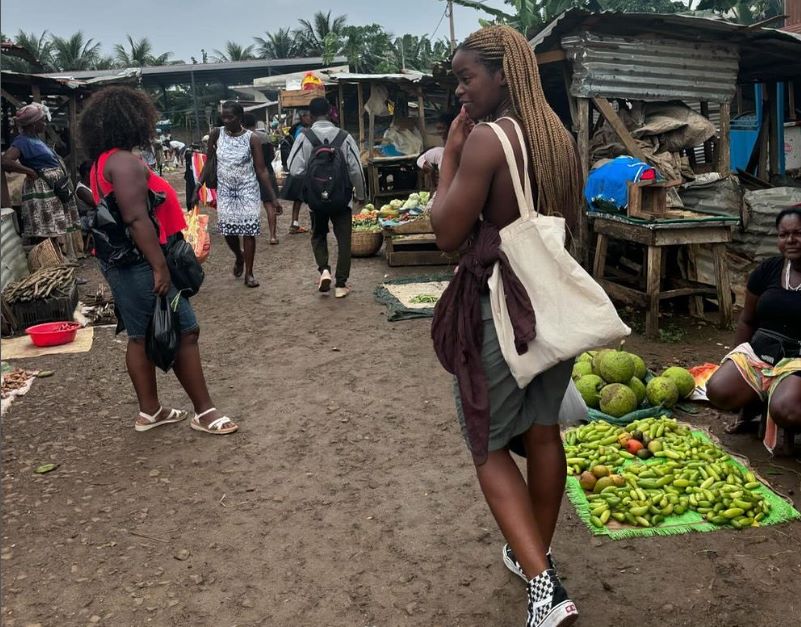
Source: Instagram / saotometravel
The food is part of the healing
Food in São Tomé & Príncipe reflects African, Portuguese, and Creole influences. Many travelers say the food tastes noticeably fresher because much of it is locally sourced. You can expect to eat tropical fruits that taste like childhood directly from trees, grilled fish caught that morning, and cocoa‑based dishes (the island is famous for chocolate).
It’s safe, welcoming, and culturally warm
One of the biggest concerns for Black travelers is safety. São Tomé & Príncipe is generally considered one of Africa’s safest and most politically stable countries. Violent crime rates remain relatively low compared to many global tourist destinations. Travelers often describe locals as warm, relaxed, and welcoming.
As one traveler on TikTok, ashleemoyo, puts it: “This trip completely changed my brain chemistry. I felt 100% safe. Everyone I was with, I met on the island, were so kind and helpful. Even with language barriers, I had the bestest time.”
It’s still a hidden gem:
One of the best parts? You’re not fighting for space, and you get paradise without the chaos that comes with popular tourist places. Unlike Zanzibar, Seychelles, or Cape Verde, São Tomé & Príncipe is still under the radar, which means no overpriced resorts, no tourist traps, and no overcrowded beaches. It’s the kind of place Black travelers seek when they want true rest.
Here are some other things you need to know before visiting.
Do you require a tourist visa to visit São Tomé and Príncipe?
This depends on your passport. In accordance with the law, citizens of all countries require a visa to visit São Tomé and Principe. However, there are a few exemptions for visits of up to 15 days for tourism or business. This includes the US, Canada, the EU, and nationals of a selected list of countries.
What language do they speak?
The official language of São Tomé & Príncipe is Portuguese. Many locals also speak Forro, Angolar, and Principense, creole languages. English is spoken in tourist areas but not widely across the islands.
How do you get to São Tomé and Príncipe?
Getting to São Tomé & Príncipe is usually not as simple as booking one nonstop flight. Many travelers connect through African or European hubs. You can fly from Portugal, Angola or Ghana with direct flights.
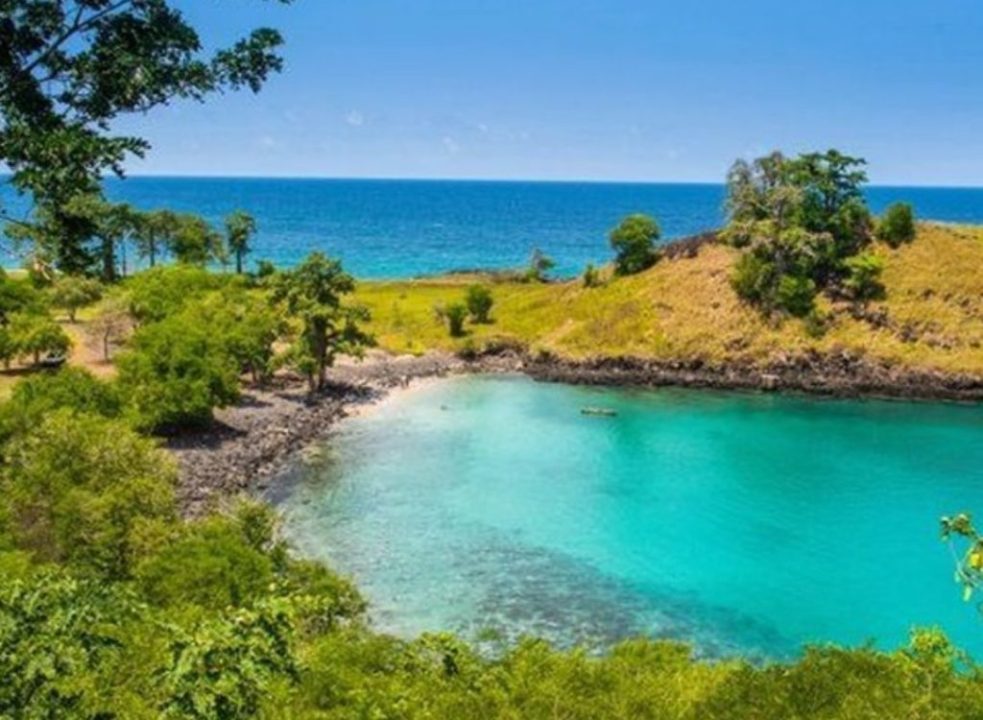
Source: Instagram / visit_saotomeprincipe
How much does accommodation cost?
This depends on your preference and the time of visit. Hotels are said to be cheapest in São Tomé and Príncipe in December, while October is the most expensive month. You can get budget accommodation for as low as £35/night, and a luxury hotel for as high as £150/night.
What payment method is accepted?
São Tomé and Príncipe is a cash-based society. The only widely accepted payment method across the islands is physical cash, the Dobra. Credit cards are not widely accepted. US dollars and euros are widely accepted alongside the local dobra. ATMs exist in São Tomé city, but are limited. It is advisable to bring enough cash to cover your expenses.
How easy is it to get around the island?
Public transport is limited, so renting a car or scooter is the best way to experience the country. The available options for moving around will depend on where you’re going. Car hire is recommended for flexibility; local buses are cheap but infrequent, and taxis are available mainly in São Tomé city.
What is the best time to visit?
São Tomé and Príncipe can be visited year-round. However, the two drier seasons: June to September and January to February offer the best weather for trekking, beach-hopping, and clear waters for snorkeling.


I would like to publish an article on funtimesmagazine.com. Please provide me with guidelines about the content.
Hello, and thank you for your interest. Please contact info@funtimesmagazine.com.