
The Visibility Project, Claudette Colvin, Public domain, via Wikimedia Commons (leftmost image), all other images in collage credited below.
Despite decades of expanded historical scholarship, key facts about Black Americans’ role in U.S. history remain unknown to students. A 2021 study found that only 8% of high school seniors could name slavery as the Civil War’s central cause, and 68% had never heard of the Black Codes. These gaps underscore the ongoing erasure of Black Americans’ contributions from classroom curricula, museum exhibits, and public memory.
The reasons for this erasure are complex and systemic. Many pioneering Black figures worked within institutions that later minimized their contributions. In contrast, others operated in spheres such as domestic work, entrepreneurship, and medicine that white historians long deemed unworthy of serious academic attention. Some faced deliberate suppression during their lifetimes, their achievements buried beneath layers of racism and sexism that persisted well into the modern era.
But 2025 offers renewed opportunities for recognition. As museums expand digital archives, universities establish new scholarship programs, and publishers commit to more inclusive narratives, these five overlooked Black pioneers deserve fresh examination. Their stories illuminate the broader systems that determined whose contributions would be remembered and whose would be forgotten.
These figures broke barriers, challenged injustice, and left legacies that continue shaping American life today. Their delayed recognition speaks to ongoing work in historical justice, while their achievements offer lessons increasingly relevant to contemporary discussions about civil rights, healthcare equity, scientific exploration, economic empowerment, and women’s leadership.
Claudette Colvin:
The 15-year-old whose arrest sparked the legal strategy that ended bus segregation.
Nine months before Rosa Parks became the face of Montgomery’s bus boycott, Claudette Colvin made the same choice that would define a movement. On March 2, 1955, the 15-year-old high school student refused to surrender her seat to a white passenger, telling the bus driver that It’s her constitutional right to sit here. Her arrest became the catalyst for Browder v. Gayle, the federal case that ultimately declared bus segregation unconstitutional.
Born September 5, 1939, in Montgomery, Alabama, Colvin grew up in a politically conscious household that discussed civil rights around the dinner table. She attended Booker T. Washington High School, where teachers like Jo Ann Robinson introduced students to constitutional law and civil disobedience. When Colvin was arrested, she became one of four plaintiffs in the landmark federal lawsuit that civil rights attorney Fred Gray filed on February 1, 1956. Unlike Parks’s case, which remained in state court, Browder v. Gayle challenged segregation at the federal level.
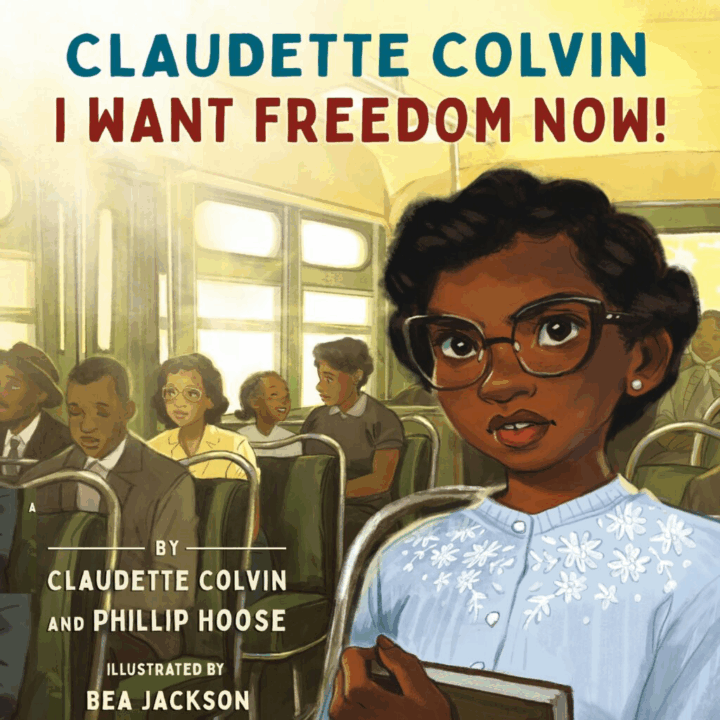
Recent recognition has begun correcting this oversight. In 2017, Montgomery declared March 2 as Claudette Colvin Day. In 2021, her juvenile record was finally expunged after 66 years. Most significantly, 2025 has seen her story reach new audiences through the children’s book “Claudette Colvin: I Want Freedom Now!” selected as a Notable Children’s Book.
Rebecca Lee Crumpler:
The first African American woman physician who dedicated her career to treating the most vulnerable.
In 1864, as the Civil War raged, Rebecca Lee Crumpler made history by becoming the first African American woman to earn a medical degree in the United States. Her achievement at Boston’s New England Female Medical College marked the beginning of a career dedicated to providing healthcare to women, children, and formerly enslaved people during one of America’s most turbulent periods.
Following graduation, Crumpler moved to Richmond, Virginia, where she worked with the Freedmen’s Bureau, providing medical care to newly freed enslaved people. She returned to Boston in 1869, establishing a practice focused on women’s and children’s health. In 1883, she published A Book of Medical Discourses, one of the first medical texts authored by an African American woman, offering practical health guidance for women and families.
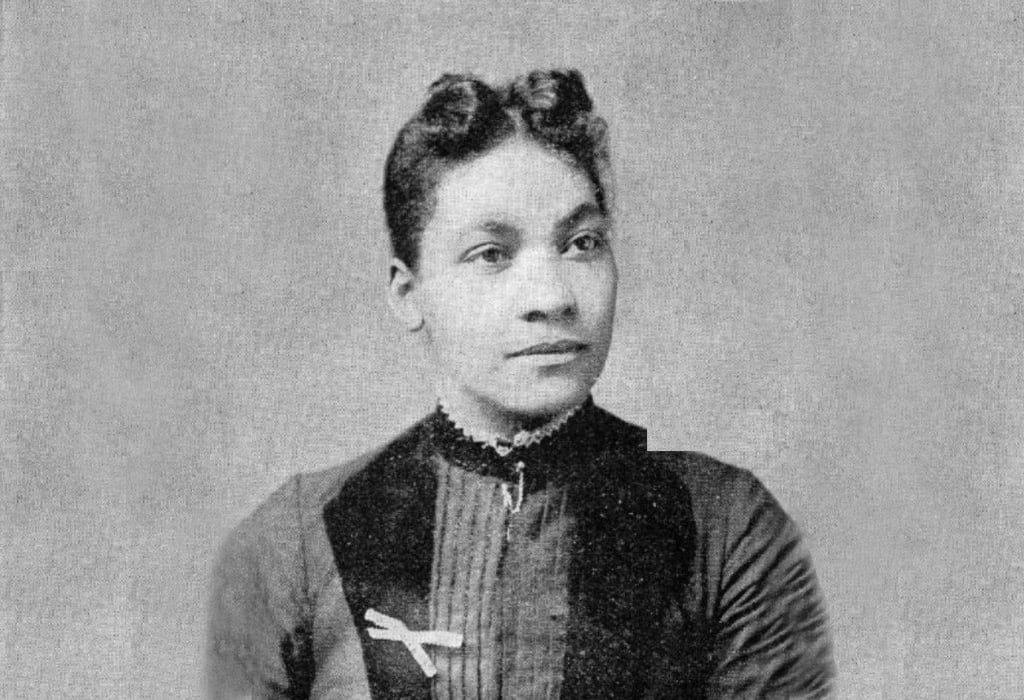
Source: How Dr. Rebecca Lee Crumpler Became The First Black Woman MD
Despite her groundbreaking achievements, Crumpler faced constant discrimination from white colleagues and patients who questioned her qualifications. Many medical institutions refused to acknowledge her contributions, and her name was often omitted from early histories of American medicine. The intersection of racism and sexism in the medical profession meant her pioneering role was systematically erased from professional narratives.
Recent years have brought overdue recognition. Boston University’s medical school, successor to her alma mater, established the Rebecca Lee Crumpler, MD, Endowed Scholarship Fund in 2023, prioritizing Black women medical students. The Association of Black Women Physicians has also created scholarship programs in her honor.
Her legacy speaks directly to contemporary healthcare disparities. As Black maternal mortality rates remain three times higher than white rates, Crumpler’s focus on accessible healthcare for underserved communities offers both a historical perspective and ongoing inspiration for addressing systemic medical inequities.
Read also: The History And Impact Of Black Healthcare Workers In the United States
Matthew Henson:
The skilled navigator whose expertise made possible the first successful North Pole expedition.
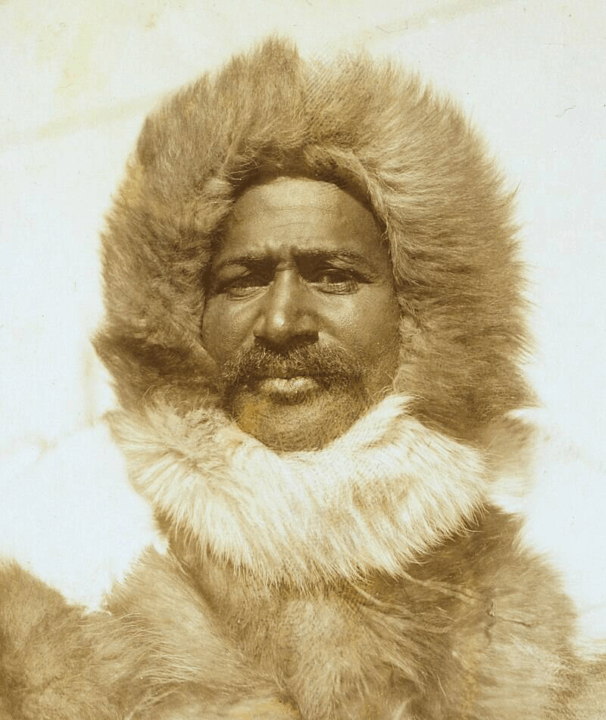
Source: https://www.aahcmuseum.org/matthew-henson
When Robert Peary claimed to have reached the North Pole on April 6, 1909, Matthew Henson was right beside him and according to some accounts, may have been the first to set foot on the northernmost point of Earth. Yet for decades, history books celebrated Peary while relegating his African American companion to a footnote, despite Henson’s crucial role as navigator, translator, and survival expert across seven Arctic expeditions.
Born August 8, 1866, to free Black sharecroppers in Maryland, Henson was orphaned at age 13 and worked as a cabin boy on merchant ships, developing the sailing and survival skills that would serve him in the Arctic. In 1887, he met Peary while working as a store clerk in Washington, D.C. Peary hired him as a personal valet, but Henson’s maritime experience and mechanical aptitude quickly made him indispensable.
Their partnership began with the 1891-92 Greenland expedition, where Henson demonstrated exceptional ability to learn Inuit languages and survival techniques. He became known as Peary’s “first man,” serving as expedition navigator, dog handler, and cultural interpreter. During their final North Pole expedition, Henson’s sledding skills and relationship with Inuit guides proved essential to their survival and success.
Recognition came slowly. In 1948, he became the first African American life member of The Explorers Club. In 2000, he posthumously received the National Geographic Society’s Hubbard Medal.
Elizabeth Keckley:
The self-liberated entrepreneur who dressed First Ladies and shaped White House history.
Elizabeth Keckley changed herself from an enslaved seamstress to a confidante of presidents, using her extraordinary tailoring skills to purchase freedom for herself and her son, then building a business empire that placed her at the center of Civil War-era Washington society. Her 1868 memoir, Behind the Scenes, offered unprecedented insights into the Lincoln White House, challenging conventional boundaries between public and private, Black and white, servant and citizen.
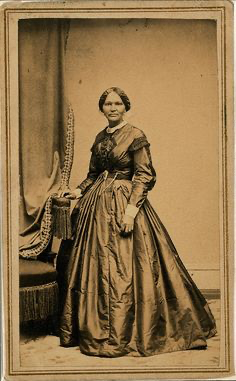
Source: Sewing for Freedom: Elizabeth Keckley
She learned dressmaking from her enslaved mother and eventually convinced her master to allow her to hire out her services. Through her exceptional skill, she earned enough money to purchase freedom for herself and her son in 1855, paying $1,200, approximately $40,000 in today’s currency.
Moving to Washington, D.C., Keckley established an elite dressmaking business that employed 20 women and served the capital’s most prominent families. Her most famous client was Mary Todd Lincoln, for whom she created the gown worn to Abraham Lincoln’s second inauguration. Beyond fashion, Keckley became Mary Lincoln’s close friend and advisor, founding the Contraband Relief Association to aid formerly enslaved people during the war.
Her 1868 memoir sparked controversy by revealing intimate details of the Lincoln family’s private life, including Mary Lincoln’s grief and financial struggles. White society condemned a Black woman’s presumption in writing about the presidency, and her business suffered. Yet the book provided invaluable historical documentation of the White House during America’s most critical period.
Keckley’s story was long marginalized because it complicated simple narratives about race, class, and power in Civil War America. A formerly enslaved woman who became a successful entrepreneur and political insider challenged both racist assumptions about Black capabilities and gendered expectations about women’s public roles.
Her entrepreneurial success and political access offer important perspectives on Black women’s economic empowerment and political influence, themes increasingly relevant to contemporary discussions about wealth-building and representation in positions of power.
Mary Ellen Pleasant:
The entrepreneurial mastermind who built wealth and wielded influence in Gold Rush California.
In the 1860s San Francisco, Mary Ellen Pleasant was one of the wealthiest and most powerful people in the city. Through her network of boarding houses, restaurants, and laundries, she accumulated an estimated fortune of $30 million in today’s currency while secretly funding abolitionist activities and operating the western terminus of the Underground Railroad. Yet her complex legacy was long obscured by sensationalized accounts that focused on scandal rather than her remarkable business acumen and civil rights activism.
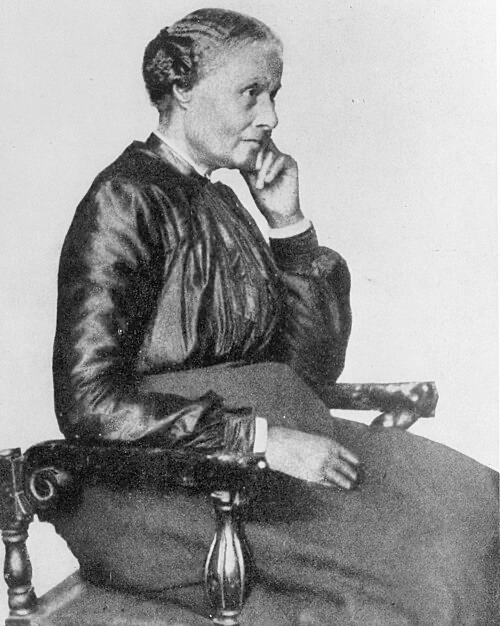
Source: https://en.wikipedia.org/wiki/Mary_Ellen_Pleasant
Born into slavery around 1814, Pleasant gained her freedom and moved to California during the Gold Rush, arriving in San Francisco in 1852. She quickly identified opportunities in the service economy, opening high-end boarding houses that catered to wealthy men who paid premium prices for luxury accommodations. Her establishments became centers of political and financial power, where she gathered information that she used to make shrewd investments in real estate and mining stocks.
Pleasant used her wealth strategically to advance civil rights causes. She secretly funded John Brown’s raid on Harpers Ferry and provided financial support to enslaved people seeking freedom. In California, she fought legal battles to desegregate streetcars and challenged discriminatory laws in court. Her 1868 lawsuit against a San Francisco streetcar company for refusing her service resulted in a $500 judgment which was one of the earliest successful civil rights cases in California.
Her influence and wealth made her a target for racist and sexist attacks from white society, which spread rumors about her personal life and business practices. Sensationalized newspaper accounts portrayed her as a mysterious figure involved in scandal and intrigue, obscuring her legitimate achievements as an entrepreneur and civil rights pioneer.

Anand Subramanian is a freelance photographer and content writer based out of Tamil Nadu, India. Having a background in Engineering always made him curious about life on the other side of the spectrum. He leapt forward towards the Photography life and never looked back. Specializing in Documentary and Portrait photography gave him an up-close and personal view into the complexities of human beings and those experiences helped him branch out from visual to words. Today he is mentoring passionate photographers and writing about the different dimensions of the art world.