Source: magnific.com
Think about the number of times we explain away the little things our bodies do. You are constantly drinking water, so you blame the heat. You keep waking up in the middle of the night to use the bathroom, but assume you are drinking too much before bed. You feel exhausted even after a full night’s sleep, but tell yourself it is probably work, family responsibilities, or simply getting older.
For many Black adults, it is easy to brush off a weird bodily symptom and keep moving, especially when there are children to care for, bills to pay, and busy schedules to keep up with. But what if your body is trying to tell you something?
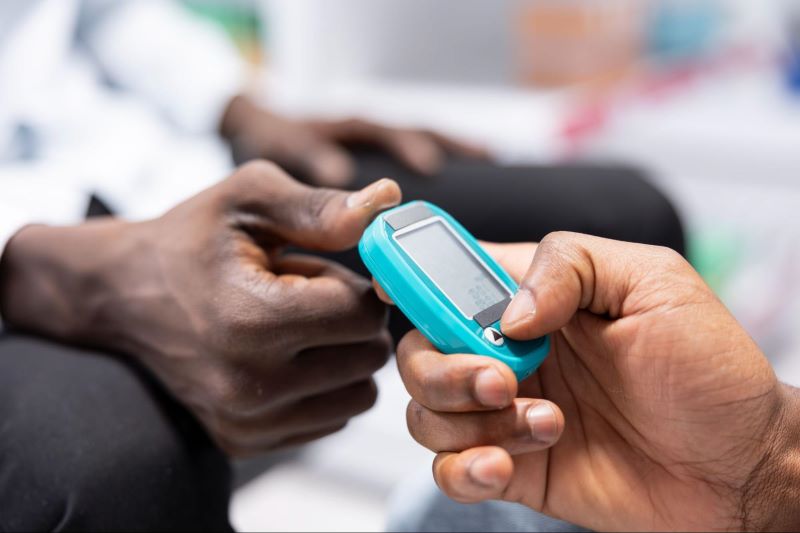
Diabetes is one condition whose early warning signs can be easy to overlook. And the consequences of missing them can be serious. Paying attention to subtle changes in your health isn’t just important; it can be life-saving.
It is a major health issue in Black/African American communities, which have experienced some of the highest rates of impact in the United States.
In 2021, the American Heart Association reported that Black Americans are about twice as likely as White Americans to die of diabetes and about three times as likely to be hospitalized for its complications. The picture is similar in the UK. Diabetes UK says people of Black African or African-Caribbean descent are around three times more likely to get type 2 diabetes compared to White people.
According to diabetes advocate Leon Rock, CEO of the African American Diabetes Association, “One in three Black adults has diabetes. We are 60 percent more likely to be diagnosed, twice as likely to die of diabetes, and three times as likely to end up hospitalized for diabetes-related complications than the country as a whole. We are more than twice as likely to undergo diabetes-related leg or foot amputation and three times as likely to have end-stage kidney disease.”
That is why this year’s World Diabetes Day theme, “Early action on diabetes,” is so important. Some warning signs appear suddenly; others build so gradually you barely notice. Knowing what to look for, and understanding why these symptoms happen, can help you catch the condition early, leading to better treatment and fewer complications down the road.
Here are eight warning signs Black adults should not dismiss.
Constant thirst, even after drinking water
Do you find yourself reaching for water throughout the day, no matter how much you have already had? Persistent thirst could be more than a sign that you need to drink more fluids. When blood sugar levels are too high, the kidneys work harder to remove the excess glucose from the blood. This can lead to increased urination and fluid loss, leaving you feeling unusually thirsty.
It is easy to dismiss this as dehydration, particularly during hot weather or after physical activity. However, if you are constantly thirsty without an obvious explanation, it may be time to talk to your doctor.

Source: Yahoo Health
Urinating more than usual
Do you find yourself waking up several times to use the restroom? Getting up once during the night to pee may not seem unusual. But doing so repeatedly, or finding yourself making more trips to the bathroom than normal during the day, could be a warning sign. Frequent urination is closely linked to excessive thirst. As the body tries to remove too much glucose in the bloodstream, it produces more urine, which increases how often you need to pee.
If you have noticed that your bathroom visits have become unusually frequent, especially alongside constant thirst, do not simply adjust your evening water intake and hope the problem disappears.
Unusual tiredness
Black adults often juggle work, family responsibilities, and other commitments, so fatigue can feel like a normal part of life. However, there is a difference between feeling tired after a long shift and being exhausted almost every day, even after getting enough rest.
Diabetes-related fatigue is different. When glucose cannot efficiently enter the body’s cells, the body struggles to use food for energy. High blood sugar and dehydration can also contribute to exhaustion. If you are constantly struggling to get through the day, especially alongside other symptoms, consider getting your blood sugar checked.
Blurry vision
Have you started squinting at your phone, struggling to read small print, or noticing that your vision sometimes becomes blurry? Do not automatically assume you need new glasses or that your eyes are tired from spending too much time looking at screens. Vision changes can sometimes be one of the first noticeable signs that something is wrong. High blood sugar can affect the lenses of the eyes, causing temporary changes in vision. If your vision changes suddenly, seek medical attention rather than waiting for a routine appointment.
Cuts or wounds taking longer to heal
A small cut from cooking, a blister from new shoes, or a minor scrape should normally begin to heal without much trouble. If it is still there weeks later, it is not a small matter. The CDC notes that cuts, sores, and wounds that heal very slowly can be a sign of Type 2 diabetes. When blood sugar remains high, it can affect circulation and damage nerves, making it harder for the body to repair wounds. A small blister or wound that appears harmless can become a more serious problem if left untreated, especially when it comes to the feet.
If you notice a wound that is not healing as expected, or repeated skin, urinary tract or yeast infections, speak to a healthcare professional.
Unexplained weight loss
Losing weight without changing your diet or exercise routine might sound like good news, but it can actually signal a problem. According to the Cleveland Clinic, when the body cannot properly use glucose for energy, it begins burning fat and muscle rapidly, resulting in weight loss even when a person is eating normally.
If the number on the scale is dropping for no clear reason, do not ignore it.
Having itchy genitals or thrush that keeps coming back
This is the one many people are too embarrassed to mention, so it often goes unspoken. Persistent itching around the genital area is not something to feel embarrassed about or simply put down to poor hygiene. The NHS lists itching around the penis or vagina, or repeatedly getting thrush, as a possible symptom of type 2 diabetes.
Of course, thrush and genital itching can have several causes, and having these symptoms does not automatically mean you have diabetes. However, if the infection keeps returning, particularly alongside increased thirst, frequent urination or unexplained tiredness, it could be worth speaking to a healthcare professional or checking your blood sugar levels. High blood sugar can create an environment that encourages yeast to grow. This can increase the likelihood of developing thrush, which may cause itching, irritation, soreness and unusual discharge.
Read also: How Diabetes Is Affecting Black Communities In Philadelphia And What You Should Know

Source: magnific.com
Tingling, numbness or pain in the hands and feet
That familiar “pins and needles” feeling in your fingers or toes may be more than temporary discomfort and deserves attention. High blood sugar over time can damage nerves, a condition known as diabetic neuropathy. It often affects the feet and legs, although the hands can also be affected. If you experience ongoing numbness or unusual sensations, do not assume it is simply poor circulation or a normal part of ageing. Get it checked.
These warning symptoms do not automatically mean you have diabetes. They can also occur with other health conditions, and some people with type 2 diabetes experience few or no noticeable symptoms.
However, early action saves lives. For Black adults especially, paying attention to these warning signs isn’t being overly cautious. It’s taking charge of your health before diabetes takes charge of you.