
Source: World Bank Blogs
For generations, a university degree was considered the gold standard of success across Africa. Parents encouraged their children to pursue higher education, believing it was the most reliable path to stable employment, financial security, and social mobility.
Today, that belief is being challenged.
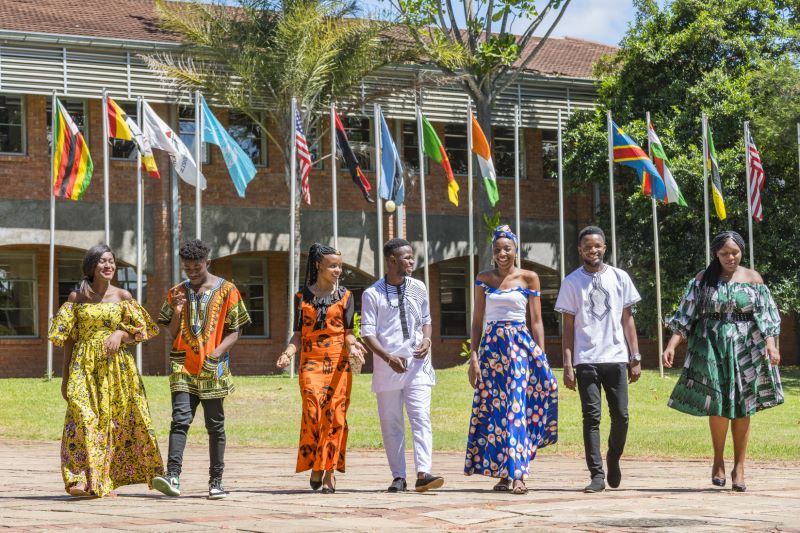
Across the continent, a growing number of young Africans are investing in practical skills such as tailoring, hair styling, fashion design, photography, graphic design, videography, baking, carpentry, coding, and digital marketing. While university education remains important, many young people are recognizing that skills can open doors to entrepreneurship, financial independence, and global opportunities in ways that traditional career paths sometimes cannot.
The shift reflects a changing African economy, one where adaptability and innovation are becoming just as valuable as academic qualifications.
Every year, African universities produce millions of graduates. Yet many leave school only to discover that jobs are scarce, competition is intense, and employers increasingly demand practical experience alongside academic credentials.
At the same time, skilled entrepreneurs are thriving.
Prof. Isa Ali Pantami, Nigeria’s former Minister of Communications and Digital Economy, is one of the continent’s most prominent advocates for this philosophy. He authored the widely discussed book, “Skills Rather Than Just Degrees”. His work challenges the single-pathway mindset of acquiring degrees without applicable knowledge, and champions integrating vocational, digital, and soft skills into educational pathways.

Source: Youngafrica.org
Young Africans are building businesses around their talents. Hair stylists are opening successful salons. Fashion designers are creating brands with international customers. Photographers are working with global clients. Graphic designers are securing remote contracts from companies thousands of miles away.
The message is becoming increasingly clear: a degree alone is no longer enough.
In many industries, skills have become currency, and one of the biggest drivers of this shift is technology. A decade ago, a talented fashion designer may have relied solely on local customers. Today, social media platforms allow artisans to showcase their work to audiences worldwide. The internet has dramatically expanded what is possible for skilled professionals. This transformation has helped create what many observers now describe as Africa’s growing skills economy, where talent, creativity, and entrepreneurship intersect.
Hence, young Africans are increasingly viewing practical skills not as backup plans, but as viable career paths capable of generating sustainable income.
Why Hard Skills Are Also Not Enough
However, possessing a skill is only part of the equation.
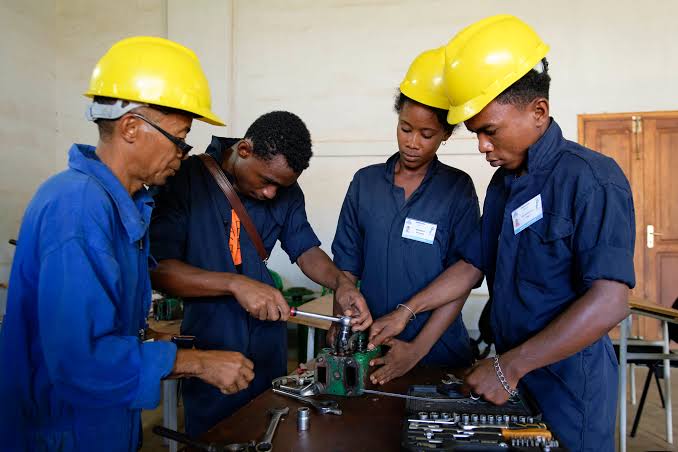
Many successful entrepreneurs have discovered that technical ability alone does not guarantee success. A talented tailor may struggle without customer service skills. A gifted photographer may fail to grow without effective marketing. A skilled hairstylist may lose clients if communication and professionalism are lacking.
This is where soft skills become equally important.
Communication, leadership, networking, negotiation, financial literacy, problem-solving, and personal branding often determine whether a small business survives or thrives.
The most successful African entrepreneurs are often those who combine both. They master their craft while also learning how to build relationships, attract customers, and manage growth.
Read also: Is Artificial Intelligence in Africa a Double-Edged Sword?
Source: ILOSTAT
A Cultural Shift in How Success Is Defined
Perhaps the most significant change is cultural.
For many years, careers in medicine, law, engineering, and accounting were often viewed as more prestigious than vocational trades and creative professions. Young people who pursued beauty services or artisan work were sometimes seen as settling for less.
That is not the case today.
Successful hairstylists now own multiple salons. Fashion entrepreneurs employ dozens of workers. Content creators build media brands. Skilled artisans are exporting products and earning foreign currency.
As these success stories become more visible, attitudes are evolving. More families are beginning to see practical skills not as alternatives to success, but as pathways to it.
Degrees and Skills Can Work Together
The conversation should not be framed as degrees versus skills.
The most successful professionals often combine both.
A university education can provide valuable knowledge, critical thinking abilities, and professional networks. Practical skills can create opportunities, generate income, and encourage entrepreneurship.
Together, they can be a powerful combination.
The future of Africa’s workforce will likely belong to individuals who can adapt, learn continuously, and combine education with practical expertise.
Africa is home to the world’s youngest population, and millions of young people will enter the workforce in the coming decades. Meeting this challenge will require more than expanding access to university education. It will also require greater investment in vocational training, entrepreneurship, digital skills, and creative industries.
The continent’s future may depend not only on the degrees young people earn, but also on the skills they develop and the businesses they build.
In 2026, one thing is becoming increasingly clear: success in Africa is no longer defined by a certificate alone. It is increasingly defined by what people can create, solve, build, and contribute.
And for a growing number of young Africans, skills are becoming one of their most valuable assets.

Victoria Ezechukwu-Nwagwu is an Associate Editor at FunTimes Magazine with a strong background in media, strategic communications, and editorial leadership. She brings a thoughtful, detail-driven approach to storytelling, content development, and collaboration, ensuring high editorial standards.
She plays a key role in shaping impactful narratives and driving creative innovation across the publication.