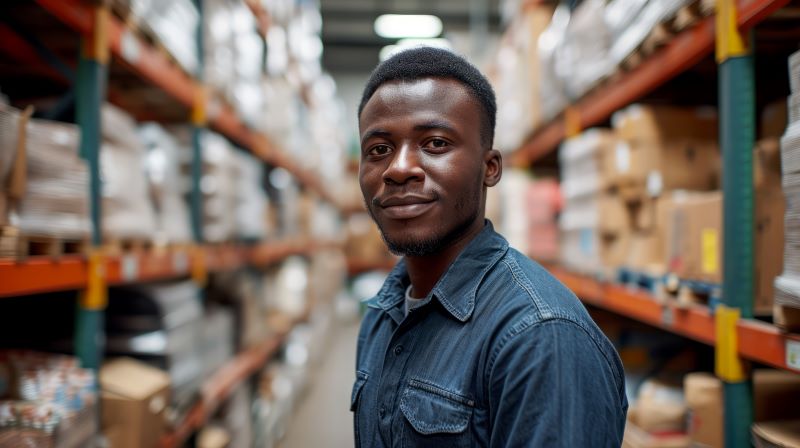
Man working in a warehouse. Source: Freepik
For many refugees from Africa and the Caribbean, the journey to the United States begins not with despair, but with hope. Hope for safety. Hope for opportunity. Hope for dignity. But upon arrival, the realities of resettlement often challenge the very hopes they carried with them.
Philadelphia, a city shaped by waves of migration, continues to welcome people seeking refuge from political unrest, violence, and persecution. Yet, even in a city as diverse and vibrant as Philly, African and Caribbean refugees face unique hurdles that are often misunderstood, overlooked, or invisibilized. This essay seeks to highlight what these refugees want the world, and especially their new neighbors to understand.
We Fled, But We Are Not Broken
There’s a dangerous narrative that paints refugees solely as victims; poor, helpless, and in need of rescue. But the truth is far more complex. Refugees are survivors. Many of them left behind homes, careers, and communities not because they lacked ambition, but because they sought safety and survival.
Take Yvette, a former law student from Cameroon who fled political violence after her activism put her at risk. Or Kareem, a Haitian father who endured a grueling journey through multiple countries to ensure his children could live without fear of gang violence. These individuals and so many others want the public to understand: fleeing home was never the plan, but rebuilding with strength and dignity is. “We’re not here to take,” says Kareem. “We’re here to contribute, if only given the chance.”
We Brought Our Skills, Our Culture, Our Dreams
Refugees don’t arrive empty-handed. They bring with them cultural richness, professional skills, and ideas. Yet too often, they find their qualifications and experiences dismissed. A nurse from Ghana may be forced to take up warehouse work. A teacher from Jamaica may become a cleaner. Not because they are unqualified, but because systems weren’t built to recognize their prior achievements.
Many African and Caribbean refugees express frustration at this systemic oversight. Still, they find ways to rebuild. They start businesses, go back to school, and share their cultures through food, art, and music. Their contribution to the local economy, cultural fabric, and civic life is significant, even if it rarely makes headlines.
“We didn’t come here to lose ourselves,” says Marie from St. Lucia. “We came here to grow.”
We Are Not All the Same
One of the most common frustrations among African and Caribbean refugees is being lumped together into one monolithic group. The refugee experience is not a one-size-fits-all narrative. The circumstances that bring someone from Sudan are vastly different from someone arriving from Trinidad. The languages, histories, and needs vary greatly and yet, public policy and public perception often fail to reflect this.
Understanding these nuances is key to creating systems that truly serve refugee communities whether through healthcare, education, housing, or immigration services.
We Need More Than Shelter
While housing, employment, and legal assistance are critical, they’re only part of the equation. Refugees from Africa and the Caribbean also yearn for connection, respect, and inclusion. They want to be seen not just as newcomers, but as neighbors.
Many recount stories of isolation from being stared at on the train, to being told they “speak English funny,” to navigating racist or xenophobic microaggressions. These daily challenges weigh heavily on mental health and sense of self.
Creating spaces for cultural expression, dialogue, and refugee-led initiatives is key to fostering true belonging. When community centers, schools, and places of worship welcome refugee stories, transformation happens on both sides.
What You Can Do
So, what do African and Caribbean refugees in Philadelphia want you to know?
That they are more than their past.
That they are proud of where they come from.
That they have something to offer.
And that their stories matter.
For those reading this in Philadelphia, there are tangible ways to show support:
- Learn about refugee-led organizations in your area
- Attend events that celebrate diasporic culture
- Advocate for equitable policies that support refugee resettlement
- Simply say, “Welcome. I’m glad you’re here.”