
Neighborhood
South Philadelphia
South Philadelphia is the Odunde corridor. The festival runs along South Street between 23rd and 25th Streets, but the neighborhood it anchors extends through the blocks surrounding it. The musical heritage corridor of South Broad runs north from here: the Clef Club, the Avenue of the Arts, Sigma Sound at 309 South Broad. The June 14 convergence of Odunde and the FIFA opening makes this neighborhood the epicenter of Black Philadelphia's 2026.

Walking Guide
How to walk this neighborhood
Start at the Odunde Festival grounds (23rd & South). Walk east on South Street to Château Rouge (2108 South). Continue to the Marian Anderson Museum (762 S. Martin St), the singer's childhood home. Move north on Broad to the Philadelphia Clef Club of Jazz (736 S. Broad), then continue to 309 South Broad, the building where Sigma Sound created Philadelphia Soul. Every restaurant in this corridor will require advance reservations during the World Cup.
In South Philadelphia
Where to go
Restaurants, historic sites, makers, music. Every entry FunTimes documented in this neighborhood.
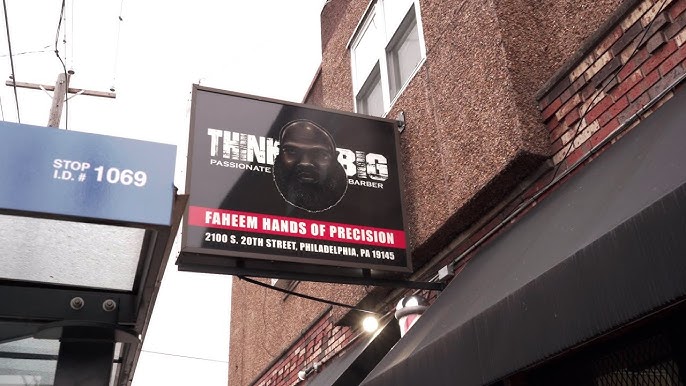
Faheem’s Hands of Precision
South Philly's standard-bearer. Men, women, and children. Beard grooming, fades, designs. The kind of cut that makes you look like you were born ready.
Read more →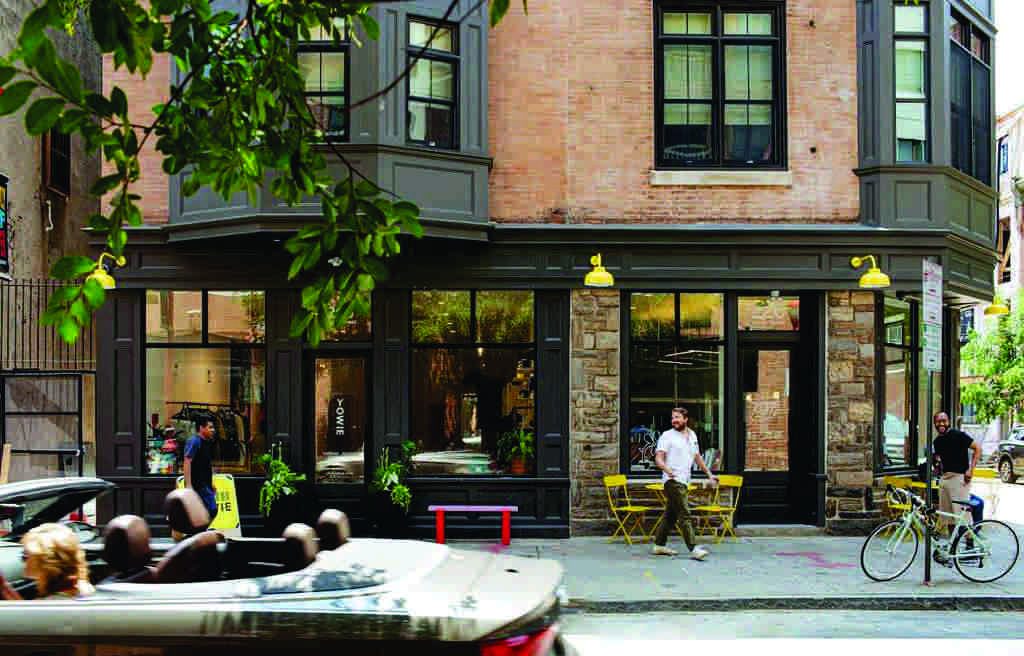
Yowie Hotel and Boutique
Travel + Leisure 100 Best New Hotels (2024). The rare boutique hotel that is also a café, a retail shop, and a design statement, all on legendary South Street.
Read more →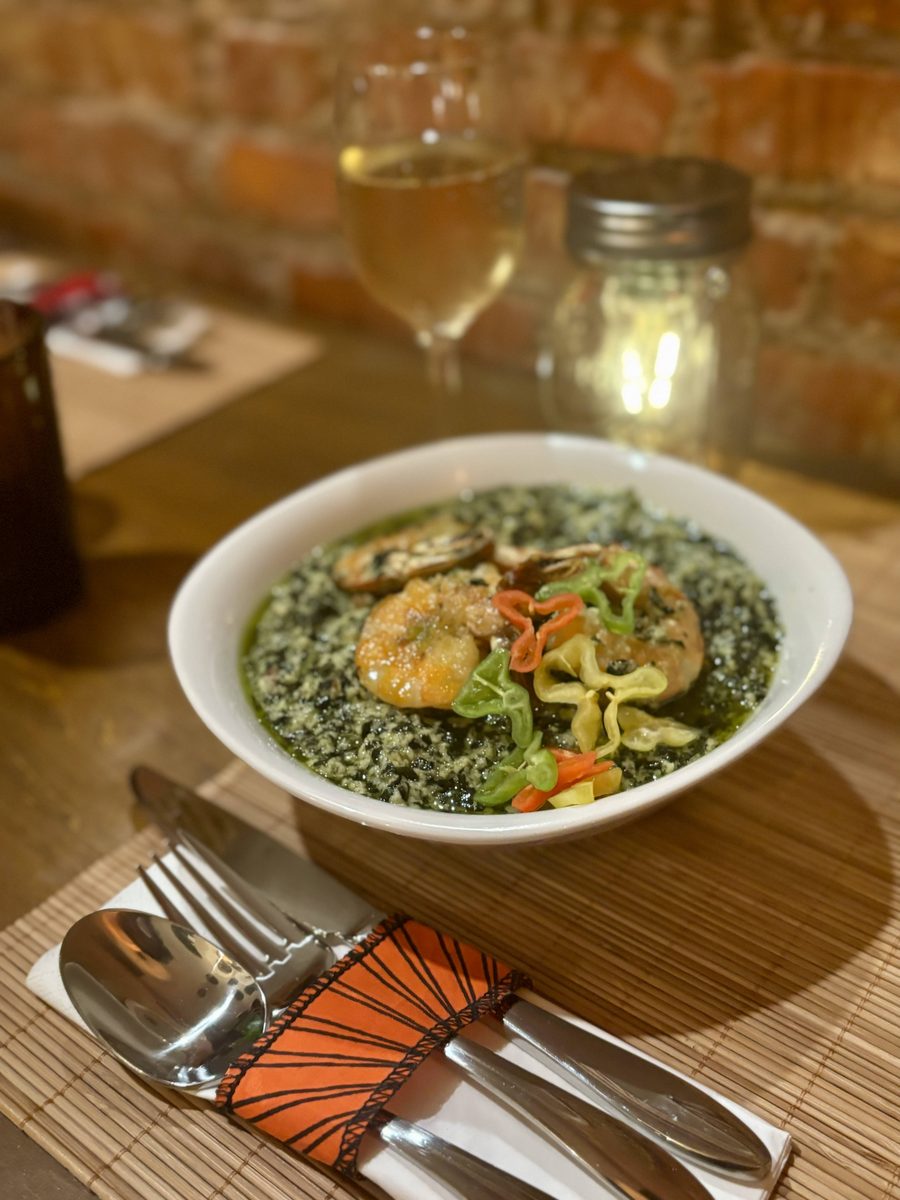
Château Rouge
The most elegant African dining experience in Philadelphia. Cameroonian-French fine dining. Signature: Ndolé, Poulet DG.
Read more →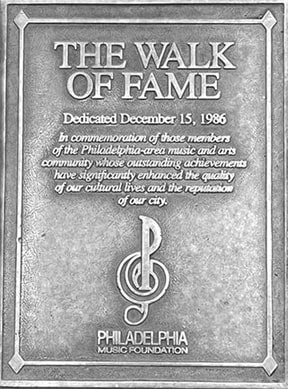
Philadelphia Music Alliance Walk of Fame
Sidewalk plaques along the Avenue of the Arts honoring Leslie Odom Jr., The O'Jays, Patti LaBelle, Billie Holiday, The Roots, Teddy Pendergrass, and many more.
Read more →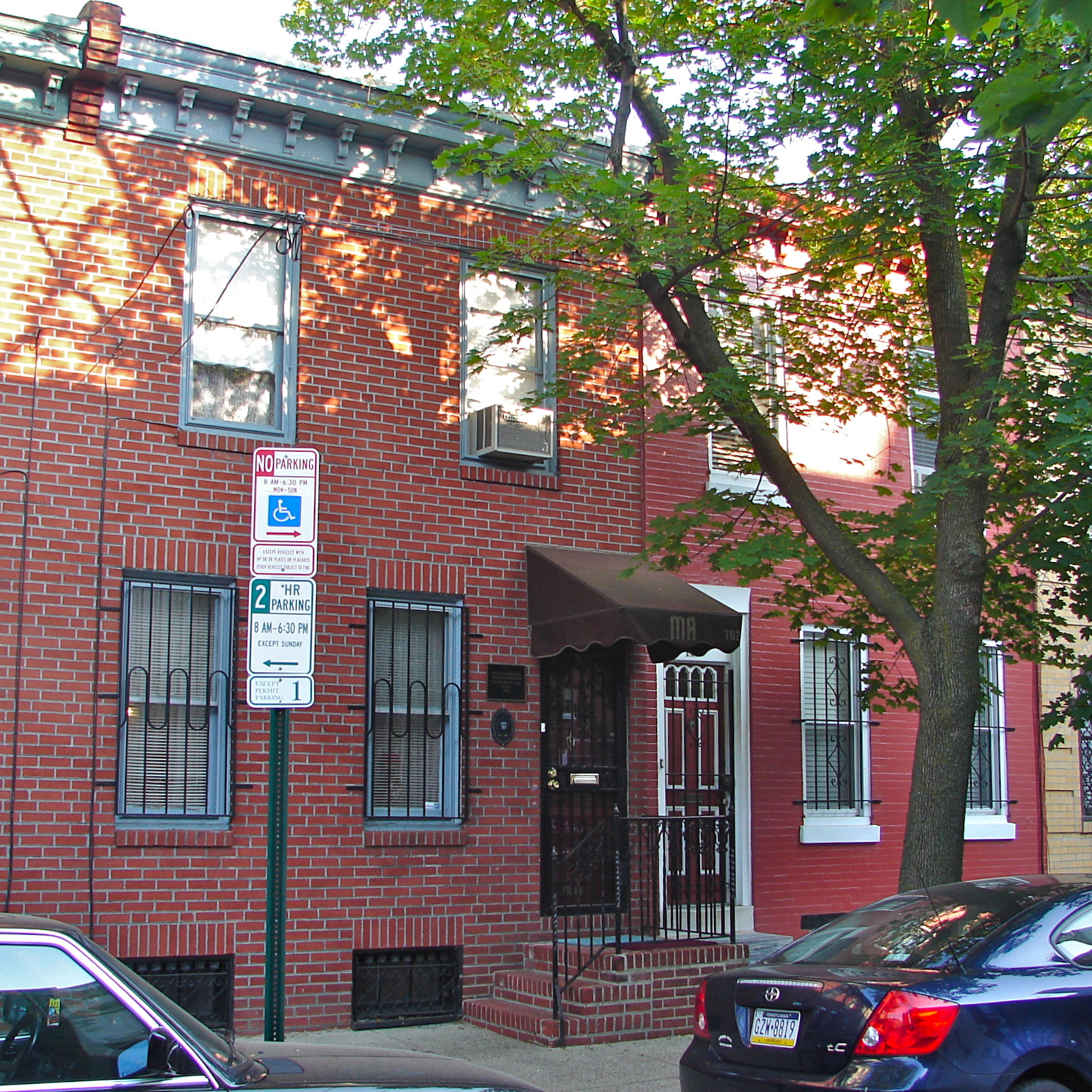
National Marian Anderson Museum & Historical Society
The childhood home of the singer who became the first Black artist to perform at the Metropolitan Opera. Preserved exactly where her story began.
Read more →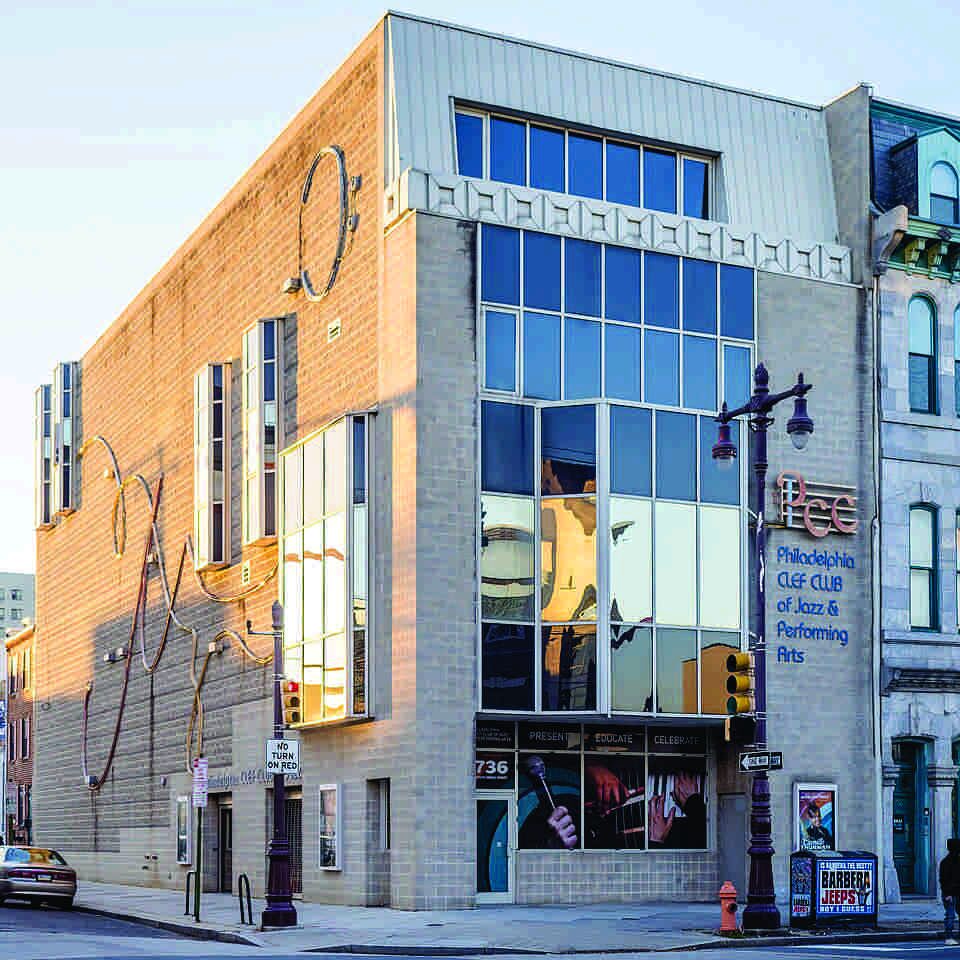
Philadelphia Clef Club of Jazz & Performing Arts
The nation's first purpose-built institution for jazz, established 1935. Where Philadelphia jazz lives, not in a museum, but in performance.
Read more →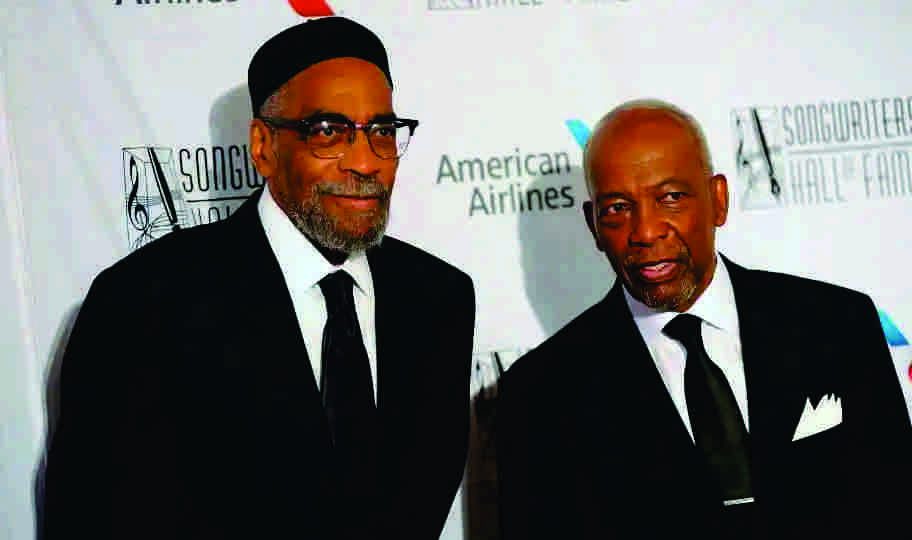
309 South Broad Street (Sigma Sound)
The building where Kenny Gamble and Leon Huff invented Philadelphia Soul. The Sound of Philadelphia originated here.
Read more →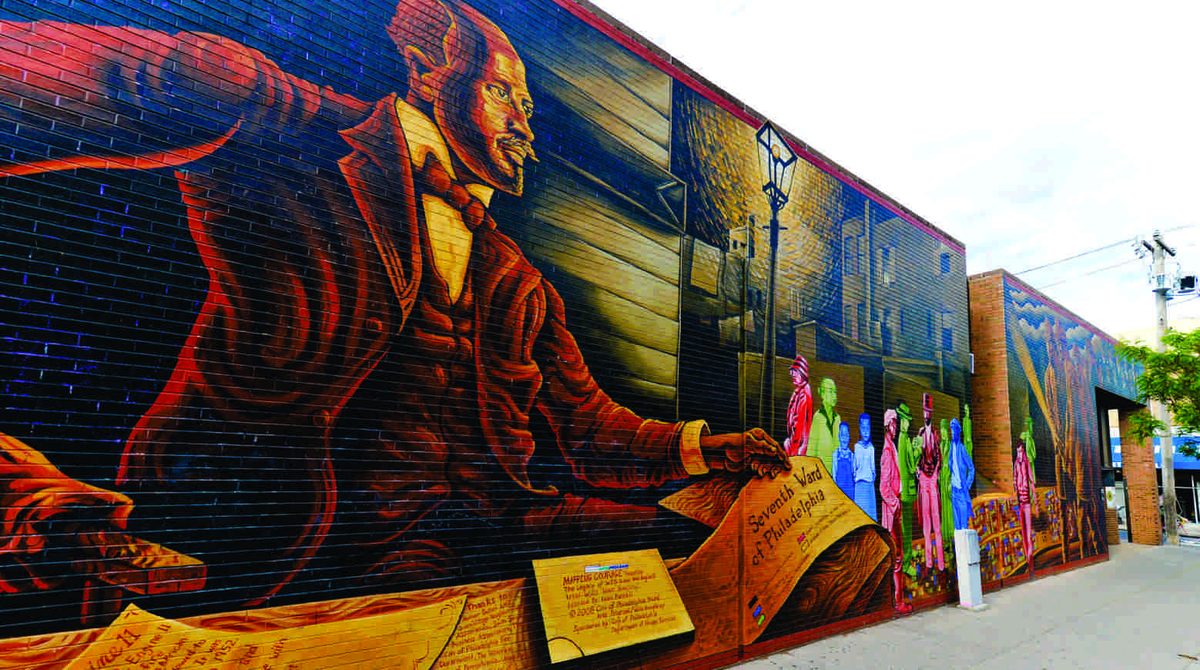
The Seventh Ward W.E.B. Du Bois Walking Tour
Self-guided walking tour of the neighborhood Du Bois documented in 'The Philadelphia Negro' (1899), the first scientific sociological study of a Black community in American history.
Read more →
Back To Top