
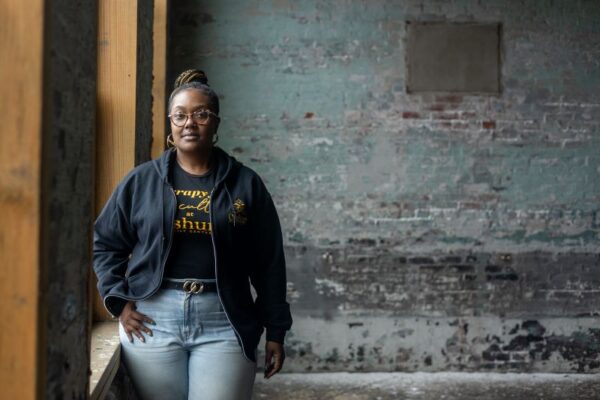
‘We Are the Lifeline’, One Center’s Fight For Black Maternal Health
In Philadelphia, the Oshun Family Center has become a lifeline for families navigating the country’s growing maternal health crisis.
In Philadelphia, the Oshun Family Center has become a lifeline for families navigating the country’s growing maternal health crisis.
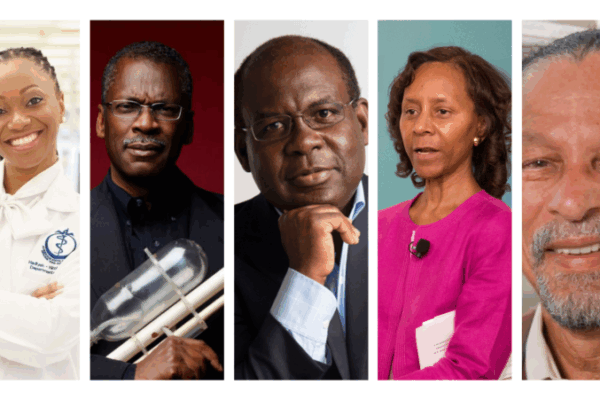
In an attention economy that rewards spectacle, many Black inventors tackling unglamorous, structural problems such as clean water, grid reliability, accessible health care, and safer buildings, often go unrecognized, even when their work is patented, piloted, or deployed in the field.
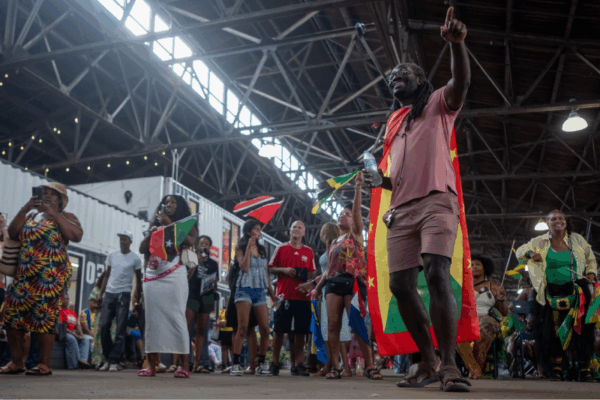
rom old-school R&B to a Nina Simone theatrical tribute, here are a few free or low-cost events; there’s still a couple of promising sunsets left in this relaxing month.
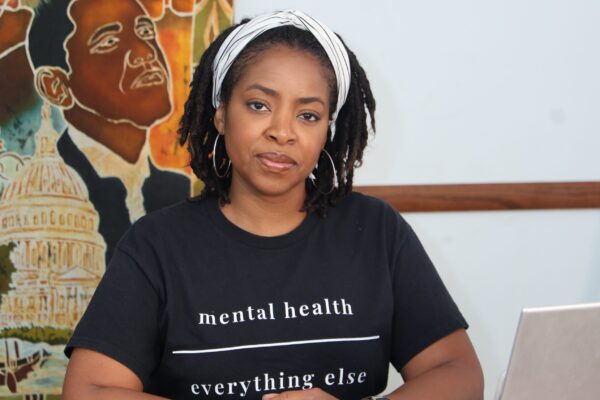
It’s not always the yelling boss or impossible deadlines that do you in. Often, the real damage happens in hushed corners, through forced smiles in meetings, punch-clock exhaustion, and an unspoken tension you can’t shake. It’s the slow erosion of joy and safety, disguised as “just business as usual” and it leaves wounds that go beyond burnout.
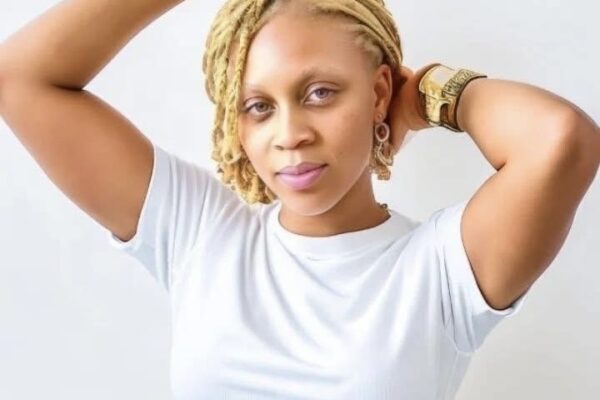
Golden Onome Peter’s life is a story of resilience, courage, and truth in the face of myths and misconceptions that continue to surround albinism in African societies.

Philadelphia, a city with a rich Black history, is home to different entrepreneurs, but the road to starting a business is far from palatable. From hidden paperwork to delays, entrepreneurs, especially immigrants and first-generation Americans, face all sorts of hurdles before they can even get their businesses off the ground.

In 1886, William Leonard Hunt, a Canadian showman better known by his stage name “The Guillermo Farini”, published a sensational travelogue claiming he had stumbled upon strange stone ruins deep in the Kalahari Desert. Newspapers of the time seized upon his story, dubbing it the “Lost City of the Kalahari.”
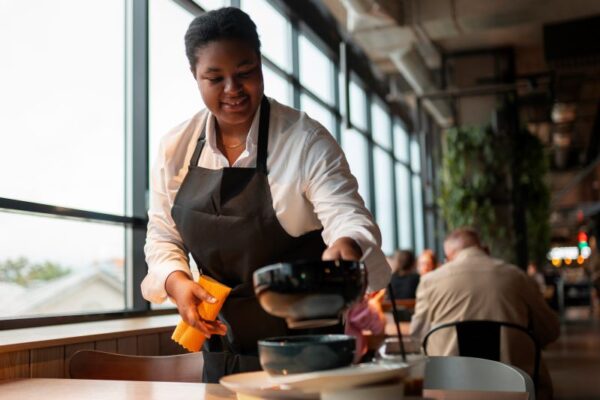
In the heart of Philadelphia, African and Caribbean refugees are not just rebuilding their lives; they are actively reshaping the communities they now call home. Through their work, presence, and resilience, they are changing the narrative of what it means to be a refugee in America.

For first-generation migrants, the shared link between their cultural ties and ancestral roots remains strong despite the length of years spent outside the continent. But for second-generation migrants also known as diaspora babies, they are the embodiment of two worlds which presents a continuous struggle as they seek to find their identity in two societies one of which is the continent from which their parents come, and the society in which they were born and live.
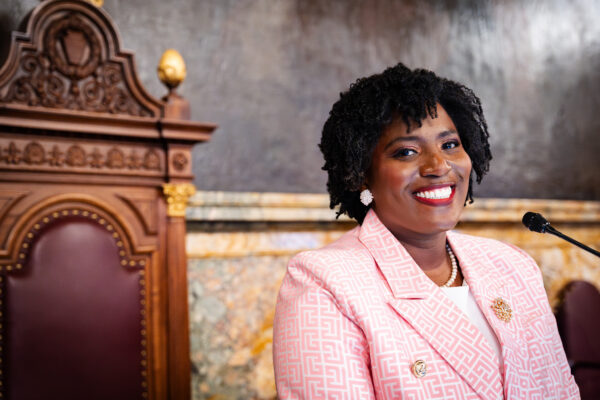
The moment frames McClinton as one who is in the community and her case for a government that serves plainly and delivers on basics: strong schools, accessible health care, and elections that are easy to navigate.