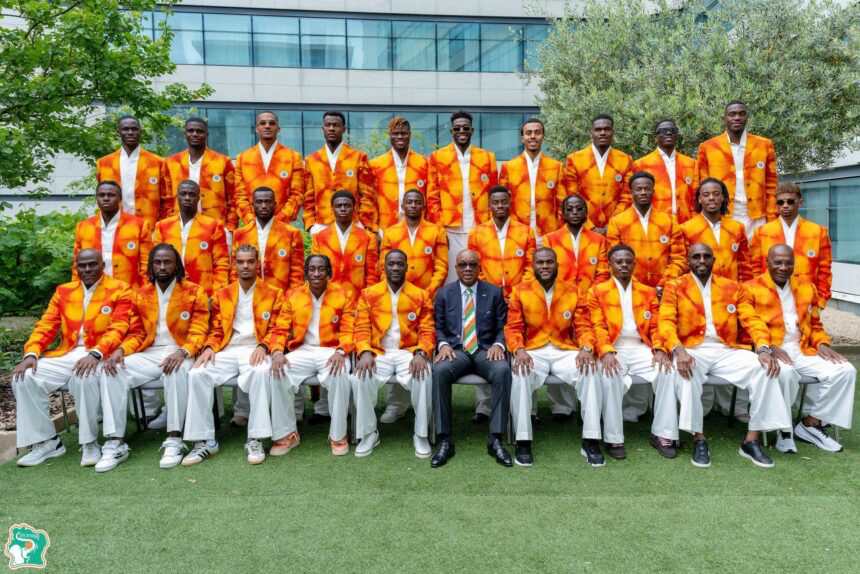
Source: Ivory Coast sets up U.S. base in Philadelphia ahead of 2026 World Cup | NAIJA TV Sports
By the time the heavy summer air settles over Southwest Philadelphia, the aesthetic transformation of the neighborhood is already unmistakable. Along the commercial corridors that serve as the city’s economic and cultural arteries for the West African diaspora, the green, white, and orange tricolor of the Ivorian flag hangs from awnings with a newfound urgency. Inside the community, grocers and vibrant, tightly packed restaurants, where the scent of grilled tilapia, sweet alloco, and fermented cassava fills the air, the ambient noise of daily commerce is constantly punctuated by the same recurring topic of conversation: June 14.
The anticipation is palpable, thrumming through the city’s African enclaves with an electric charge. In a city traditionally dominated by American football and baseball, the arrival of the Ivory Coast national football team represents something entirely different. It is not merely a sporting event; it is an epochal moment of cultural visibility. For a few brief hours, Philadelphia is preparing to host a spectacle that will draw the eyes of the African continent to its streets. Yet, as the city readies itself for the massive influx of supporters, a profound tension underscores the excitement. The World Cup has brought the diaspora’s deep footprint into sharp relief, exposing a complex interplay between local immigrant commerce, global corporate machinery, and the rigid realities of United States immigration policy.
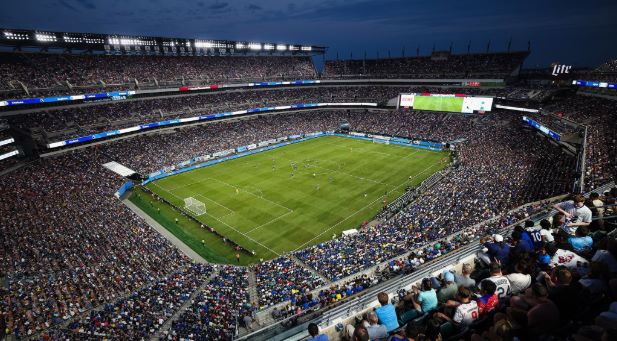
To fully grasp the magnitude of what is descending upon the city, one must understand the unprecedented architecture of the tournament itself. The 2026 men’s World Cup represents a historic expansion: it is the first 48-team edition in the sport’s history, comprising a sprawling 104 matches distributed across 16 host cities spanning the United States, Canada, and Mexico. For the African continent, this expanded format is a structural victory, guaranteeing more spots and bringing unprecedented representation to the global stage. For Philadelphia, the circus touches down at Lincoln Financial Field on June 14, featuring a crucial opening clash between Ivory Coast and Ecuador.
But the road from West Africa to the stadium gates in Pennsylvania has been fraught with bureaucratic hurdles, some of which have been mitigated, but only partially. Bans still hover over fans without prior visas, creating a labyrinthine reality for those hoping to watch their nation play. The projected business impact on host cities like Philadelphia is staggering, with millions expected to flow into local hospitality and retail. However, the pressing question of who gets to participate in that economic boom and who gets to sit in the stands remains tethered to passport privilege and the whims of consular officials.
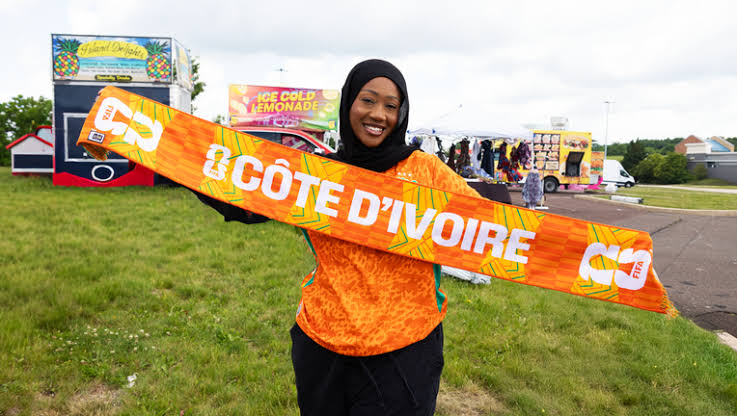
Source: Fox 29 Philadelphia
The Economics of the Diaspora
Because the journey from the bustling streets of Abidjan to the avenues of Philadelphia is obstructed by these formidable walls, the economic and cultural weight of the June 14 opener rests disproportionately on the shoulders of the U.S.-based diaspora. Philadelphia’s West African community, long established but often marginalized in the city’s broader historical narrative, is suddenly positioning itself at the very center of a global economic engine.
For local small-business owners, the World Cup is a singular, once-in-a-generation catalyst. African grocers operating along the Southwest corridors are aggressively scaling up their international supply chains. They anticipate a massive surge in demand for the staple ingredients required to feed thousands of visiting fans and diaspora members converging on the city from across North America. Ships docking at Eastern Seaboard ports are carrying increased orders of palm oil, yams, and plantains destined for these neighborhood markets. Restaurants that typically cater to a steady, localized immigrant clientele are preparing for unprecedented foot traffic. They are streamlining menus to offer high-volume, beloved Ivorian street foods like garba, a comforting, sustaining dish of attiéké (cassava couscous) served with deeply fried tuna and vibrant chili peppers, that offers an immediate, visceral taste of home.
The tournament is also fundamentally reshaping the traditional financial architecture of the community: the international remittance flow. Typically, capital generated by West African immigrants working in the United States moves unilaterally outward, sent back to relatives on the continent via wire transfers to support housing construction, educational tuition, and daily survival. But the World Cup has introduced a fascinating, reciprocal dynamic into this financial ecosystem.
While some funds are certainly still being sent home to help relatives pay for tournament tickets and navigate the complex, expensive U.S. visa application process, significant capital is now being pooled and spent domestically. Diaspora members are organizing rapidly, mobilizing collective funds to rent out community centers, hotel banquet halls, and massive television screens for localized watch parties. They are securing local lodging, effectively transforming their own homes into informal bed-and-breakfasts, and preparing hospitality networks to host family members who successfully clear U.S. border controls.
In this vital, grassroots way, the diaspora is not simply reacting to the tournament; they are actively underwriting its local success. The economic footprint of Ivory Coast in Philadelphia is expanding rapidly, transitioning from a quiet, sustaining neighborhood force into a highly visible, mobilized commercial enterprise that commands attention.
A Collision of Policy and Identity
Beneath the celebratory veneer, however, lies a deeply skeptical and frustrating reality. Philadelphia is hosting a soccer match, and has briefly become a high-stakes stage where Ivorian identity, African diaspora commerce, and United States immigration policy collide in plain sight.
The implementation of the FIFA PASS system and the subsequent waiving of the $15,000 visa bond expose a glaring, uncomfortable paradox at the heart of modern sporting globalism. The initial travel bans and the astronomical bond requirements, a sum that represents years of wages for many working-class citizens in West Africa, were explicit signals of exclusion, reflecting a border policy designed to keep ordinary African citizens at bay. The fact that these overwhelming financial and legal barriers were only lowered at the direct behest of a multi-billion-dollar corporate entity like FIFA suggests a cynical truth: the gates of the host nation open only when there is a massive, televised commercial imperative demanding it.
This dynamic creates a fundamentally two-tiered system of global mobility. The border magically becomes porous for the ticket-holding consumer who has been validated by a sports conglomerate’s ticketing portal, yet it remains heavily fortified against the ordinary traveler or the devoted fan who lacks the financial means to bypass the system.
Subject: Visit philadelphia
This heavy tension is not lost on the team representing the nation on the pitch. While the players prepare meticulously for the tactical and physical challenges of facing a strong South American side in Ecuador, the bureaucratic burden carried by their fans has undoubtedly weighed on the squad’s collective consciousness. Speaking to the press earlier in the tournament’s buildup, Ivory Coast head coach Emerse Faé expressed a cautious, measured optimism, drawing heavily on the team’s past experiences navigating cross-border friction during the Africa Cup of Nations in Morocco.
“In the end, everything went very smoothly, and they were able to come as long as they had tickets to see the matches. I think things will be sorted out by the time of the World Cup,” Faé said, in remarks reported by Africanews. “It’s a celebration, football is a celebration, and for me, it would be a real shame – especially since the World Cup only comes around every four years – it would be a real shame not to let our supporters come and experience this celebration.”
Faé’s thoughtful words capture the essential, underlying innocence of the sport, offering a heartfelt plea for the game to remain a unifying, accessible joy for the people who breathe life into it. But the stark reality on the ground in Philadelphia reveals that experiencing this global celebration requires navigating a deeply politicized gauntlet. The African diaspora in the United States watches this unfold with a familiar, weary pragmatism. They know all too well that while the World Cup aggressively brands itself as a universal gathering of humanity, the actual logistics of attending it are heavily dictated by the unforgiving geopolitical realities of the global south.
Reclaiming the Spectacle at Street Level
Ultimately, the grand, sweeping narratives of FIFA’s corporate globalism and Washington’s stringent border policies will briefly fade into the background the precise moment the referee’s whistle blows on the pitch on June 14. What will remain in that charged instant is the street-level reality of the people most directly and intimately affected: the devoted fans, the exhausted but proud small-business owners, and the resilient diaspora families who are fighting tooth and nail to turn a highly sanitized, highly restricted global spectacle into something deeply tangible and authentically theirs.
For the Ivorian community entrenched in Philadelphia, the match against Ecuador is far more than a quest for three points in the group stage. It is a rare, golden opportunity to reclaim space and assert their presence in an American city they have quietly helped build and sustain. Even if thousands of passionate, drum-beating fans from Abidjan, Bouaké, and Yamoussoukro are ultimately left behind, trapped by the partial bans that still linger stubbornly outside the protective, corporate umbrella of the FIFA PASS, the echoing stands of Lincoln Financial Field will by no means be empty.
The United States-based diaspora will step up to fill the void. They will arrive wearing the vibrant orange jerseys of the national team, beating the traditional drums, and projecting the unyielding pride of a nation that flatly refuses to be sidelined by bureaucratic red tape.
Across the neighborhoods of Southwest Philadelphia, the meticulously planned watch parties will inevitably spill out of cramped community halls and onto the humid summer pavements. The local restaurants will undoubtedly exhaust their heavily stockpiled supplies of plantains, cassava, and palm oil long before the final whistle sounds. The local neighborhood economy will register a brief, intense, and historic spike, a statistical blip on the city’s overall financial radar, but one that represents months of agonizing planning, the careful pooling of hard-earned remittances, and an unprecedented level of community organization.
When the World Cup inevitably packs up and departs Philadelphia, taking its wealthy corporate sponsors, its VIP luxury suites, and its international broadcast crews with it, the structural realities of United States immigration policy will likely snap back into their rigid place. The expedited VIP visa fast-tracks will vanish as quickly as they appeared, and the borders will harden once more against those without extraordinary means.
But the cultural and economic footprint left behind in the wake of the tournament will be indelible. For those fleeting 90 minutes in June, the Ivorian diaspora will have forced the world to pause and recognize its undeniable presence. They will stand as both an immigrant community quietly navigating the margins of a sprawling American city, and as the vibrant, resilient, and utterly indispensable hosts of a global celebration.

Anand Subramanian is a freelance photographer and content writer based out of Tamil Nadu, India. Having a background in Engineering always made him curious about life on the other side of the spectrum. He leapt forward towards the Photography life and never looked back. Specializing in Documentary and Portrait photography gave him an up-close and personal view into the complexities of human beings and those experiences helped him branch out from visual to words. Today he is mentoring passionate photographers and writing about the different dimensions of the art world.