Image credit: FunTimes Magazine
If you have spent any time on TikTok, Instagram, X, or in Black communities across London, Toronto, New York, Atlanta, Philadelphia, Kingston, or Lagos, chances are you are conversant with certain African slangs. The fascinating part is that you and many others use them without knowing exactly where they came from.
African slang refers to informal words, phrases, and expressions used in everyday conversations across African countries and African diaspora communities. They often come from local languages, pidgin and creole english, street culture, music like Afrobeats, Amapiano, Bongo Flava, and Coupé-Décalé, social media trends, youth culture, migration and diaspora experiences.
Throughout history, language has traveled wherever people have gone. When Africans migrated to Europe, North America, the Caribbean, and elsewhere, they carried family traditions, recipes and most especially, expressions, greetings, humor, and ways of describing everyday life.
For first-generation immigrants, slang often provides comfort and familiarity. For second-generation Africans growing up abroad, they become cultural anchors. And for African Americans and Caribbean communities, many of these expressions feel surprisingly familiar because of centuries of shared history, migration, and cultural exchange.
African slang also resonates deeply with Caribbean communities. Although Jamaican Patois, Trinidadian Creole, Haitian Creole, and other Caribbean languages evolved through unique historical experiences, they share African linguistic influences that have endured centuries of displacement.
So, unlike formal language, slang evolves naturally. It adapts to new environments while still carrying traces of where it began. Below are the origins of some African slang widely used today.
African Slang on Social Media
TikTok, Instagram Reels, YouTube Shorts, and memes have transformed local expressions into international trends as creators and influencers inspire audiences globally. With the remix of African slang and African American Vernacular English (AAVE), new words and ways of speaking are formed and moved algorithm by algorithm. Slang generated from social media includes:
- Body is tea – This is the most recent and trendy slang on social media today. It is a compliment celebrating beauty, confidence, and impeccable style, especially among Gen Z across Africa and the diaspora.
- Japa – Few African words have spread as rapidly in recent years as japa. Originally a Yoruba word meaning “to escape,” it has evolved into one of the defining expressions of modern African migration. It is so influential that it now appears in news headlines, podcasts, and global conversations about migration.
- No gree for anybody – Perhaps the defining phrase of the year 2024, and still trendy, encouraging people to stand their ground, seize opportunities, and refuse intimidation.
- Soro Soke (“Speak Up”) – A Yoruba expression that became a powerful rallying cry for youth activism and civic engagement.
- Who dey? / “Who dey breathe? – Popularized in everyday banter to express confidence and dominance.
- It’s plenty – Used to describe overwhelming success, excitement, or abundance.
- Idan – A Yoruba-derived slang meaning someone exceptionally talented, influential, or admired. It quickly became one of West Africa’s most recognizable compliments and has since gone global.
Afrobeats Exported Language
Source: Unorthodox Reviews
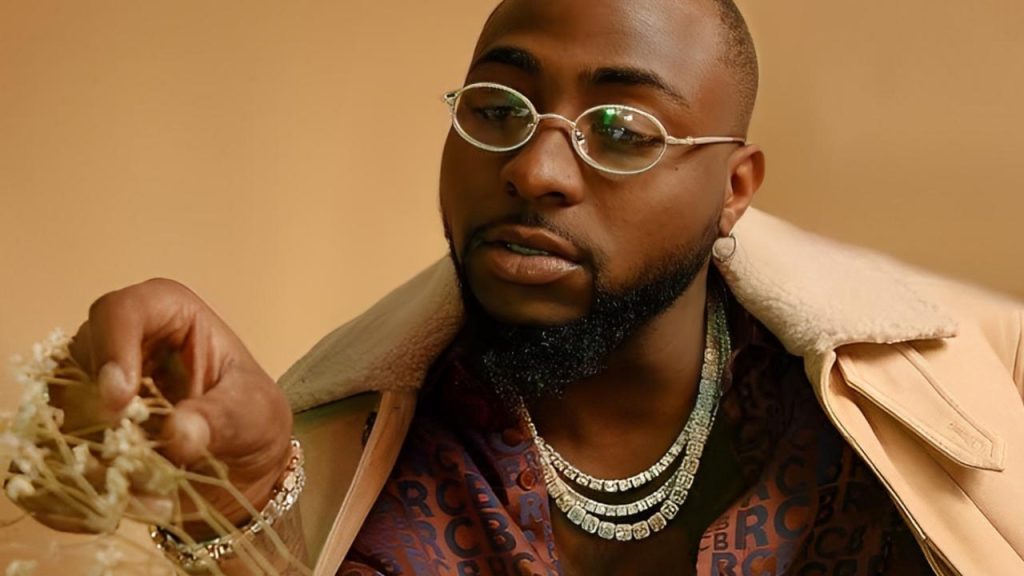
One reason African slang has gone global is the rise of Afrobeats. Artists such as Burna Boy, Wizkid, Davido, Tems, and Asake rarely dilute their language for international audiences. Instead, they invite the world into African culture.
Words like wahala, omo, sabi, Aza, abeg, Buga, e choke, and jowo have traveled through music just as reggae introduced Jamaican Patois to global audiences decades earlier. Streaming platforms have accelerated that exchange. Listeners often search for the meanings behind lyrics, creating curiosity about African languages and cultures that extends well beyond the songs themselves.
- Money na water – A phrase celebrating financial success and an abundance mindset, widely echoed across Afrobeats lyrics, TikTok videos, and memes. It was popularized by celebrity nightlife promoter and entrepreneur Cubana Chief Priest.
- E Choke – Meaning “something is overwhelmingly impressive or unbelievable,” the phrase became a social media favorite after being popularized by Nigerian music star Davido.
- Wahala – Originally popularized through Nigerian Pidgin, wahala simply means “trouble” or “problems.” Today, people from London or Toronto casually say, “I don’t want wahala.” It is a word that needs almost no translation.
- Abeg – Meaning “please,” abeg has become one of the most popular African expressions online. It softens requests, adds humor, and often appears in memes and comment sections. “Abeg, leave me alone.” Even people with no Nigerian heritage increasingly understand exactly what it means.
- Sabi – The slang sabi originates from Nigerian Pidgin and West African Krio, ultimately rooted in the Portuguese word “saber”, meaning “to know”. While it has been used in regional street slang for generations, it was pushed to global mainstream prominence largely by the Nigerian Afrobeat music. Ayra Starr, the popular Nigerian artist, solidified the slang on the global stage with her Grammy-nominated hit song “Rush” (famous for the lyric “Sabi girl no dey too like talk”).
- Jowo – The slang Jowo was popularized by Nigerian Afrobeats superstar Davido. The Yoruba word translates literally to “please.” Davido turned the everyday phrase into a massive cultural catchphrase and a viral phenomenon with his hit track “Jowo.”
Source: Yebo South Africa
Football Slang
The global popularity of football has also helped African expressions travel. Players such as Victor Osimhen, Mohamed Salah, Achraf Hakimi, and Thomas Partey proudly celebrate their cultures in interviews and on social media.
During the FIFA World Cup and major European leagues, millions of fans hear and use African expressions like:
e chop am – This expression is used when a player loses a penalty or an expected goal kick.
Sere am – A cheer urging a player to dribble the opponent.
Senior Man – A title given to a highly respected, exceptionally skilled player, or an older figure running the midfield.
Football has become another way for African culture to reach audiences who might never have encountered these words otherwise.
Other Peculiar African Slangs
Chale – A Ghanaian slang meaning friend, buddy, or simply serve as an expression of surprise. Its versatility has made it one of the most common slang in West Africa and the diaspora.
Aweh – A South African slang. It functions as a greeting, a farewell, or even a way to say “cool.” Like many African expressions, its meaning depends on tone and context.
Sharp Sharp – Used across several African countries, it simply means quickly or immediately. It is practical, memorable, and increasingly familiar well beyond Africa.
Wena – A South African slang meaning “you.” However, in local slang and conversation, its meaning and tone shift drastically depending on how it is used. Others are Lekker and Braai.
Perhaps the most remarkable thing about African slang is that it never stands still. Unlike words found in dictionaries, slang evolves with each generation. New expressions emerge from street conversations, university campuses, comedy skits, football banter, and increasingly, from Afrobeats, Amapiano, and social media. Every year seems to produce a fresh phrase that quickly becomes part of everyday conversation before spreading across the diaspora.

Victoria Ezechukwu-Nwagwu is an Associate Editor at FunTimes Magazine with a strong background in media, strategic communications, and editorial leadership. She brings a thoughtful, detail-driven approach to storytelling, content development, and collaboration, ensuring high editorial standards.
She plays a key role in shaping impactful narratives and driving creative innovation across the publication.