Mohamed Fofanah
Mohamed Fofanah began his American life delivering parcels by bicycle in Manhattan. Years later, his gig work gives him the freedom to build on both sides of the Atlantic and help other African immigrants find their footing.
“I started with a bicycle in Manhattan because I did not have money to buy a car or even an electric bike.”
With parcels on his back, Fofanah pedaled through an unfamiliar city and began rebuilding his life.
Few people who saw him making deliveries would have known about the life he had left in Sierra Leone.
Fofanah had managed his family’s business for more than a decade. He held a degree in social work, worked on a government contract connected to ECOWAS license plates and traveled to Europe and Australia. He traded vehicles across neighboring West African countries, including Guinea. His official car was a Toyota Land Cruiser. He also drove a Lexus and kept a Dodge sports car for weekends.
The distance between those lives could have been difficult to accept. Fofanah did not regard bicycle delivery as beneath him or allow his former position to dictate what work he should accept.
“When I decided to come here, I decided to leave my past life over there,” he said. “I said, ‘I am coming into a different world. This is a new beginning.”
That decision shaped his American life and the advice he now shares with African immigrants finding their footing in the United States.
A Business Education at Home
Fofanah was born in Sierra Leone and spent part of his childhood in Saudi Arabia. He later returned to Sierra Leone, completed high school and earned his first degree in social work.
Business was already part of the family’s identity. His great-grandfather, grandfather and father had all been businesspeople. As the firstborn, Fofanah was expected to continue that tradition.
After graduation, he took over the family business rather than seek a conventional job. The company worked on the production and supply of ECOWAS license plates in Sierra Leone. His responsibilities took him abroad and placed him in contact with government officials, businesspeople and international suppliers.
He also developed his own interests in the automobile trade.
With Guinea-Conakry nearby, Fofanah traveled there to purchase vehicles at auctions and bring them into Sierra Leone for resale. He did not view cars strictly as signs of wealth.
“I do not buy a car just for luxury,” he said. “I buy cars for business. Buy and sell.”
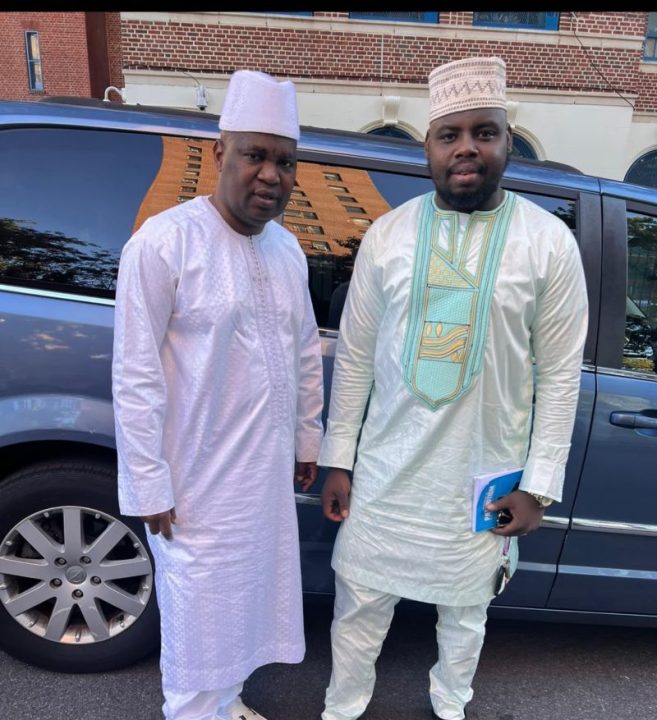
Mohamed Fofanah and Ibrahim Lowson Fofanah, CEO ABE Delivery service.
His Land Cruiser, Lexus and sports car reflected a successful period in his life, but they also belonged to an economy he understood well. He knew the buyers, the markets and the relationships that kept business moving.
When a change in government brought new contracting arrangements, the family business no longer held the license-plate contract. Fofanah began considering a different future. Around 2017, he moved to the United States.
A Bicycle and a New Beginning
Fofanah settled near relatives in the Bronx. While continuing his education, he decided to work immediately.
Through a businessman named Loisin, Fofanah found his entry into New York’s delivery and logistics industry. He approached Loisin and asked to learn the business. Loisin told him to meet on 125th Street at 8 a.m.
Fofanah arrived at 7:30.
Loisin gave him parcels to deliver across Manhattan. Without a car or an electric bicycle, Fofanah used a manual bicycle. He placed the packages in a bag, carried them on his back and pedaled from one location to another.
The work demanded humility from a man who had traveled internationally and moved comfortably among prominent people in Sierra Leone.
Fofanah had prepared an international account before leaving home. He expected to draw from those savings until he became established. His father also held money for him in Sierra Leone and offered to send it.
Fofanah declined.
After earning and saving his first $1,000 in the United States, he called his father.
“I told him, ‘Keep whatever I left with you. This is my new beginning. I need to face it.”
He wanted to know that he could rebuild through his own work.
The bicycle became an electric bike. The electric bike led to a small car. The small car led to a van. Each step expanded what he could earn and the kind of work he could accept.
After learning the delivery business, Fofanah told Loisin that he wanted to work independently. He also made clear that he would not pursue contracts behind his mentor’s back. Loisin responded by connecting him with an auto-parts delivery opportunity.
The work paid about $100 a day. However, after Fofanah deducted gasoline, tolls, insurance, and vehicle maintenance, the earnings were too low.
He moved to Amazon Flex. He later used his van for medical courier work, transporting surgical equipment to hospitals in Philadelphia and New Jersey.
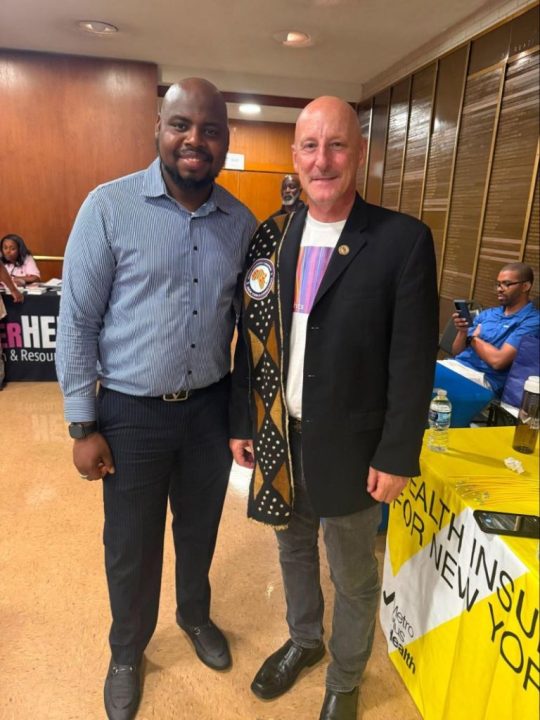
Mohamed Fofanah and Pete Rogina, the Founder of Project Peace Light.
Along the way, Fofanah studied project management and earned vehicle-registration qualifications. Some ventures succeeded; others became lessons.
“Some people become discouraged because they fail,” he said. “For me, failure is part of success. If you do not try, you will never succeed.”
Counting Every Mile
Fofanah eventually compared the economics of delivering packages with transporting passengers. The potential earnings were similar, but rideshare driving gave him greater control over his time.
He downloaded the app, passed the required background check and began driving.
Today, Fofanah operates an electric rental vehicle. The decision reflects the same attention to costs that guided his earlier businesses. He calculates the value of each trip based on mileage, time, traffic and payment.
“For me, every mile is counted in this business,” he said. “I calculate my profit and loss through miles.”
He sets an earnings target before going on the road. Mondays and Tuesdays tend to be slower. Business improves from Wednesday through the weekend, especially at night when lighter traffic allows him to complete more trips.
He prefers renting an electric vehicle because charging costs less than gasoline, and the weekly payment makes his expenses more predictable. The arrangement also reduces his exposure to repairs and depreciation. It may not suit every driver, but Fofanah has tested several models and found the one that works for him.
“When I was using my own car, I was always thinking that anything could happen,” he said. “With this one, I have peace of mind. I pay my weekly commitment, and I make my profit at the end of the day.”
He approaches gig work as a business. Daily targets help him determine whether the work is producing a return.
“Without a target, you will not succeed,” he said.
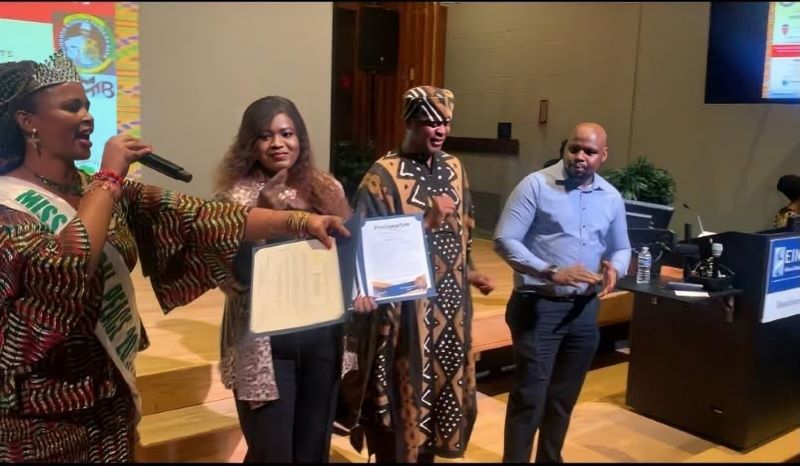
R-L:Mohamed Fofanah, Mory Kouyate, Chairman of AIC and Miss Peace 2025 at the African Immigrants Commission of New York & Connecticut (AIC) 2025 event.
Freedom on Both Sides of the Atlantic
The greatest value of gig work for Fofanah is the freedom to control his schedule and remain present in two countries.
A conventional job offered more structure but less room for his other plans. Depending on a fixed paycheck and employer-approved leave would make it harder to pursue projects in Sierra Leone or respond quickly when his family needed him.
Rideshare work gives him another kind of security. He can travel to Sierra Leone, spend time with his family, pursue a business opportunity, and return without having to search for another job.
“As long as my app is intact, I can go into the streets and work the same day I land,” he said.
That flexibility allows Fofanah to build on both sides of the Atlantic. He now measures success less by the car he drives than by control of his time.
His work is demanding. Income fluctuates. Long hours on the road carry their own costs. Yet the arrangement gives him something he cherishes: the ability to decide when to work, when to travel and where to invest his energy.
From Rebuilding to Guiding Others
Fofanah’s progress now allows him to help newer immigrants find their footing.
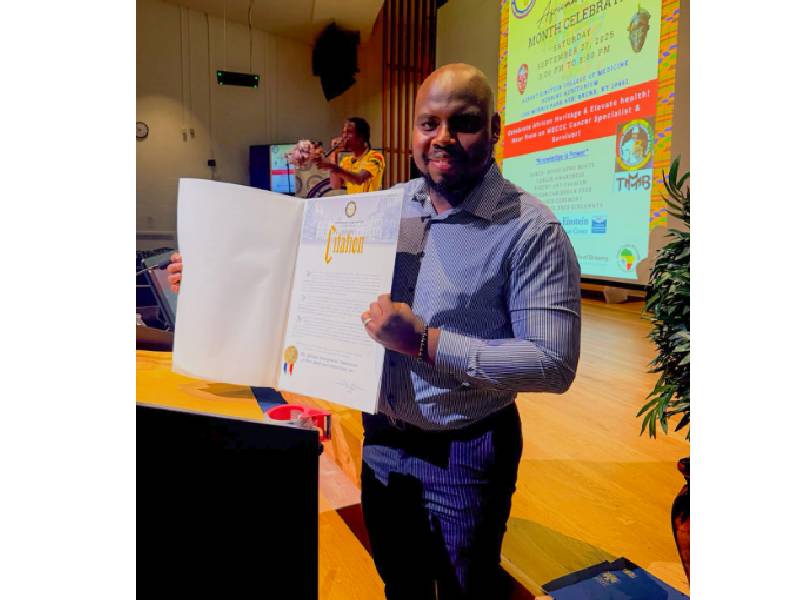
He serves as vice president of the African Immigrants’ Commission of New York and Connecticut. The organization connects African immigrants with information, professional resources and opportunities for public recognition. Fofanah would like to develop stronger relationships for the commission in Philadelphia.
The commission’s 2025 African Heritage Month Celebration partnered with Montefiore Einstein Comprehensive Cancer Center. It offered cancer education and screenings, HIV testing, employment information, school supplies, cultural performances, and African and Caribbean food.
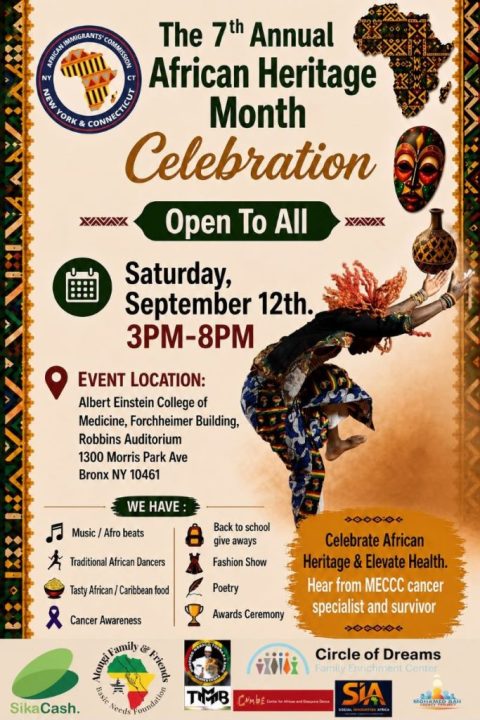
Its seventh annual African Heritage Month Celebration is scheduled for Saturday, September 12, 2026, from 3 to 8 p.m. at Albert Einstein College of Medicine in the Bronx. The program will include Afro Beats, traditional African dance, food, health information and community resources.
African and Caribbean families can enjoy the culture while meeting organizations that provide health information and other services. Readers interested in attending, participating or supporting the event should follow the African Immigrants’ Commission of New York and Connecticut for registration and program updates.
The event also shows what community leadership means to Fofanah. The goal is to help immigrants receive useful information before a health, legal or financial problem becomes a crisis.
Fofanah understands how one useful connection can change a newcomer’s direction. Loisin gave him his first opening in New York. Fofanah now wants to provide that opening for others through legal referrals, financial education, health resources and practical guidance.
“I have my rights, and I know my responsibilities,” he said.
His advice is practical. Learn the systems around you. Stay away from situations that could damage what you are building. Seek people and places that help you grow. Set targets. Accept that some ventures will fail. Keep moving.
Fofanah did not begin his American life from the position he had held in Sierra Leone. He began with a bicycle, a bag of parcels and an opportunity to learn.
The Land Cruiser and Lexus showed what he had achieved. The bicycle revealed what he was prepared to do when he had to build again.
Years later, the road connects his family, business interests and community service across two continents. The immigrant who once needed someone to show him where to begin has become the person helping others find their way.

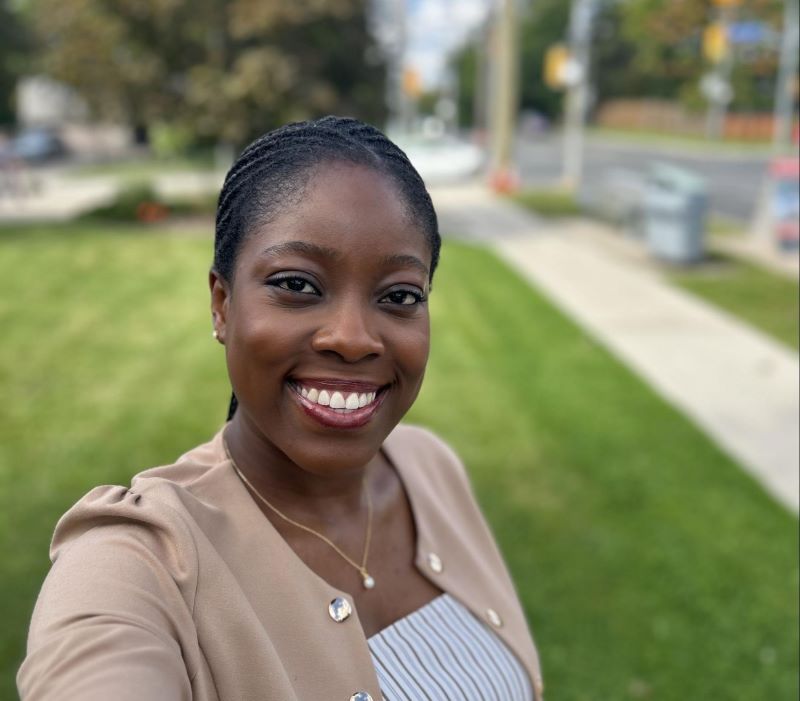
Victoria Ezechukwu-Nwagwu is an Associate Editor at FunTimes Magazine with a strong background in media, strategic communications, and editorial leadership. She brings a thoughtful, detail-driven approach to storytelling, content development, and collaboration, ensuring high editorial standards.
She plays a key role in shaping impactful narratives and driving creative innovation across the publication.