Source: Ghana News Agency
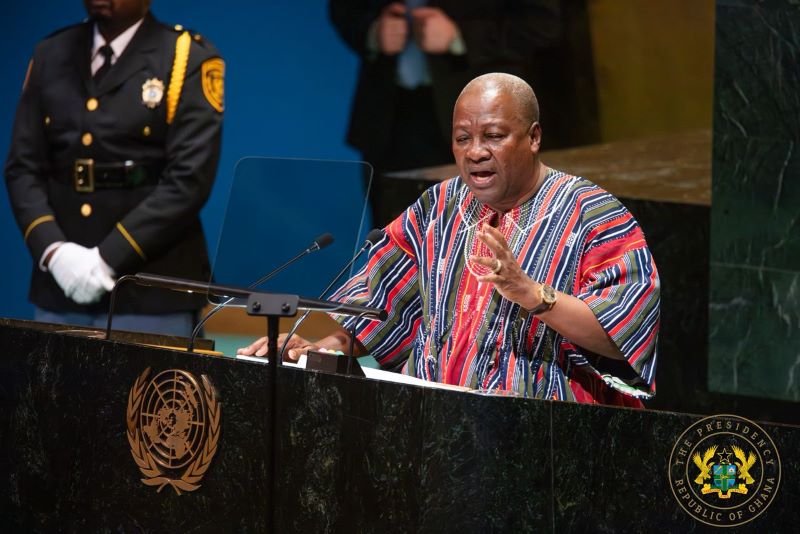
“Madam President, the slave trade must be recognised as the greatest crime against humanity. More than twelve and a half million Africans were forcibly taken against their will and transported to create wealth for the powerful Western nations.
We must demand reparations for the enslavement of our people and the colonisation of our land that resulted in the theft of natural resources, as well as the looting of artefacts and other items of cultural heritage that have yet to be returned in total…” – President John Dramani Mahama.
In a defining moment for global justice and historical reckoning, the United Nations has adopted a Ghana-led resolution recognizing slavery and the transatlantic slave trade as crimes against humanity. This move signals a shift from acknowledgment to formal classification, placing one of history’s darkest chapters within the highest category of international crimes.
This is more than a policy. It is memory, power, and truth, finding an official language.
For decades, the story of slavery has lived in textbooks, museums, and oral histories. Now, it is firmly embedded in international law and diplomatic discourse. By classifying slavery as a crime against humanity, the UN aligns it with atrocities that demand remembrance and accountability.
Ghana’s role in this moment is no coincidence. As the first sub-Saharan African country to gain independence in 1957, Ghana has long positioned itself as a moral and political voice for African dignity and global justice. By bringing this issue to the international stage, the country continues that legacy, transforming memory into policy and history into action.
The resolution recognizes the enduring impact of slavery, as a historical event, and as a system whose consequences still shape inequalities, identities, and global power structures today. It calls on member states to deepen education, preserve historical sites, and strengthen international cooperation in addressing the legacies of slavery.
Why This Matters Now
Declaring slavery a “crime against humanity” may sound like a symbolic move, but in international law, words carry weight. This classification aligns slavery with other grave offenses such as genocide and war crimes, reinforcing its severity and moral urgency.
For descendants of enslaved Africans, particularly across the Americas and Europe, the resolution offers a renewed platform for conversations around reparative justice, historical accountability, and systemic inequality. While it does not automatically trigger reparations, it strengthens the legal and moral framework for those advocating for them.
At a time when global conversations about race, identity, and justice are intensifying, the resolution arrives as both recognition and reminder that history is not past, it is present.
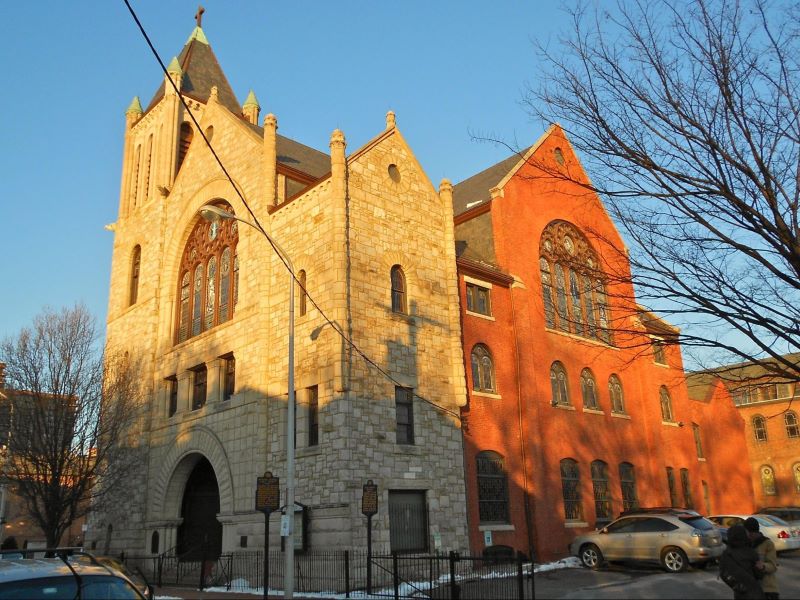
Read about President John Dramani Mahama’s Visit to Philadelphia.
The Cultural and Emotional Resonance
For many Africans, especially in countries like Ghana where sites such as Cape Coast Castle and Elmina Castle stand as stark reminders of the past, this moment carries deep emotional weight. Those spaces, once points of departure for millions of Africans forced into slavery, now serve as sites of reflection, memory, mourning, and education.
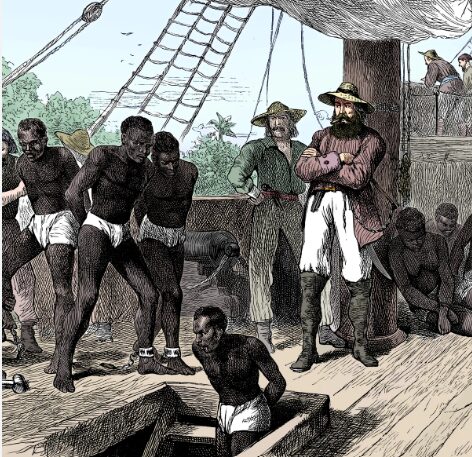
Joseph Swain, CC BY-SA 4.0, via Wikimedia Commons
The real test of this resolution lies in what follows. Will countries integrate this recognition into education systems? Will it influence policy decisions or international partnerships? Will it open the door to more structured dialogue around reparations?
These questions remain open, but one thing is clear: the adoption of this resolution sets a precedent. It signals a shift in how global institutions are willing to confront uncomfortable histories and acknowledge their long-term consequences.
For a younger generation, particularly African youth and those in the diaspora, this moment offers an opportunity to engage more deeply with history as a living force shaping the present and future. Ghana’s resolution challenges nations, institutions, and individuals to move beyond silence into recognition, because acknowledgment is not the end of justice, but where it begins. And for millions whose stories are rooted in that history, this moment matters.

Victoria Ezechukwu-Nwagwu is an Associate Editor at FunTimes Magazine with a strong background in media, strategic communications, and editorial leadership. She brings a thoughtful, detail-driven approach to storytelling, content development, and collaboration, ensuring high editorial standards.
She plays a key role in shaping impactful narratives and driving creative innovation across the publication.