
Source: Facebook / Felabration
There are some people your parents or older relatives talk about so often that, even if you never met them, they somehow become part of your childhood. For many Nigerians, Fela Anikulapo-Kuti is one of those people.
Ask a room full of young Nigerians what they know about Fela Kuti, and you might get wildly different answers. One person will mention Afrobeat. Another will talk about activism. Someone else will bring up fashion, Kalakuta Republic, or a parent who never stops playing his records on Saturday mornings.
You do not have to know every Fela song to know Fela. Maybe you have heard his music blasting from a danfo in Lagos, sampled in a Burna Boy track, seen his face on posters, or heard an uncle argue about his political views. His name always finds its way into conversations about African culture and activism.
Nearly 30 years after his death, Fela still feels very much present. His influence still shows up in unexpected places. And every October, Felabration reminds us that while the man may be gone, the movement he inspired is very much alive.
Felabration is returning to Lagos from October 12 to 18, timed around Fela Kuti’s October 15 birthday, and bringing music, dance, fashion, art, and conversations around the life and ideas of the man who refused to separate his music from his politics.
Conceived by his daughter Yeni Kuti in 1998, Felabration has grown into an annual cultural gathering that attracts people from Nigeria and around the world. Yeni has spoken about the importance of tourists, particularly people of African descent from the diaspora, coming to the New Afrika Shrine and experiencing Nigerian culture firsthand.
“It’s a very positive thing because if you come to the Shrine, you see people from all over the world. I’m glad that we are doing it and we are promoting our culture,” she said.
Source: Facebook / Felabration
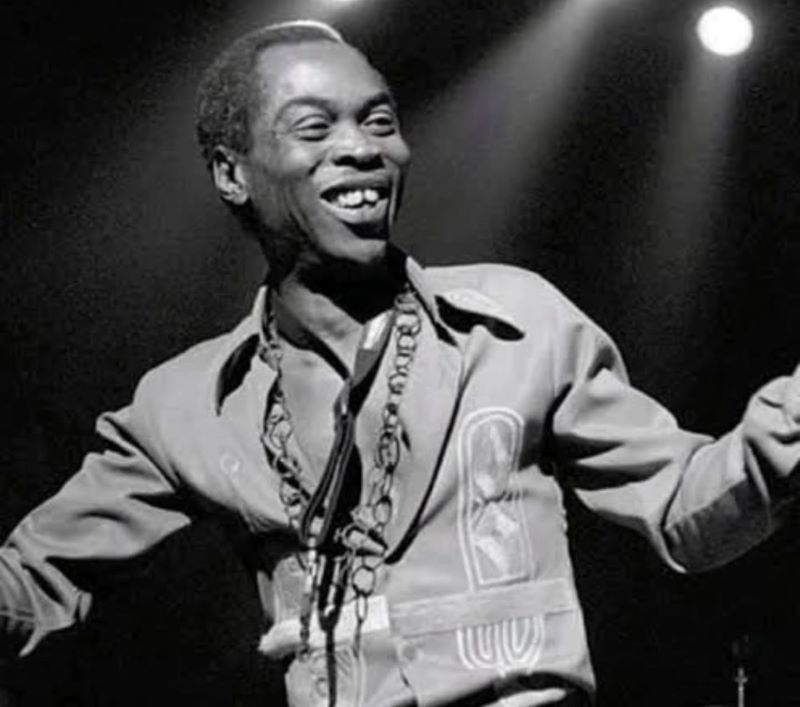
What makes the event stand out is its ability to bridge generations. Veterans who saw Fela perform share space with Gen Z fans discovering him through playlists, documentaries, and social media. For younger Nigerians and members of the African diaspora who never witnessed Fela perform live, the annual Felabration shows that legends don’t simply fade away; they evolve.
He has been gone since 1997, yet the New Afrika Shrine in Ikeja will fill with people born after his death, singing along to lyrics they know by heart.
Each edition introduces a central message that shapes conversations throughout the festival. The official theme for Felabration 2026 is “WHO ARE YOU?!” drawn from Fela’s own 1971 track Who’re You.
The 2026 theme encourages discussions around identity, individuality, creativity, freedom of expression, and social consciousness, subjects closely associated with Fela Kuti’s music and philosophy.
Who are you when you move between cultures? Who are you when you love where you come from but struggle with what’s happening there? And who are you when you finally choose not to shrink yourself to fit someone else’s version of Africa?
Fela spent much of his life asking questions like these through music. His lyrics attacked corruption, military rule, inequality and abuse of power, often with a mixture of anger, humour and satire that made his music impossible to ignore.
Read also: Fela The African Legend, His Political Activism And Legacy
Source: Facebook / Felabration
He sang in Pidgin so that the market woman and the bus driver could follow every word. Zombie mocked soldiers as mindless followers. The Kalakuta Republic, Fela’s self‑declared autonomous commune, positioned itself outside the Nigerian state. In 1977, the state retaliated with a brutal raid that left his mother, the renowned activist Funmilayo Ransome‑Kuti, gravely injured; she died the following year. Still, he continued to sing. That defiance is central to his legacy. Fela showed that a Nigerian artist could be loud, political, and joyful at once, and that popular music could be an act of public truth-telling.
Felabration is not powered by nostalgia alone. It thrives because the issues Fela sang about, from identity and freedom to inequality and self-determination, continue to resonate today.
From Burna Boy and Davido to Tems and Rema, you don’t have to look far to find Fela’s fingerprints on today’s music scene. His impact has stretched far beyond Nigeria, with his music influencing musicians across Africa, Europe and the United States.
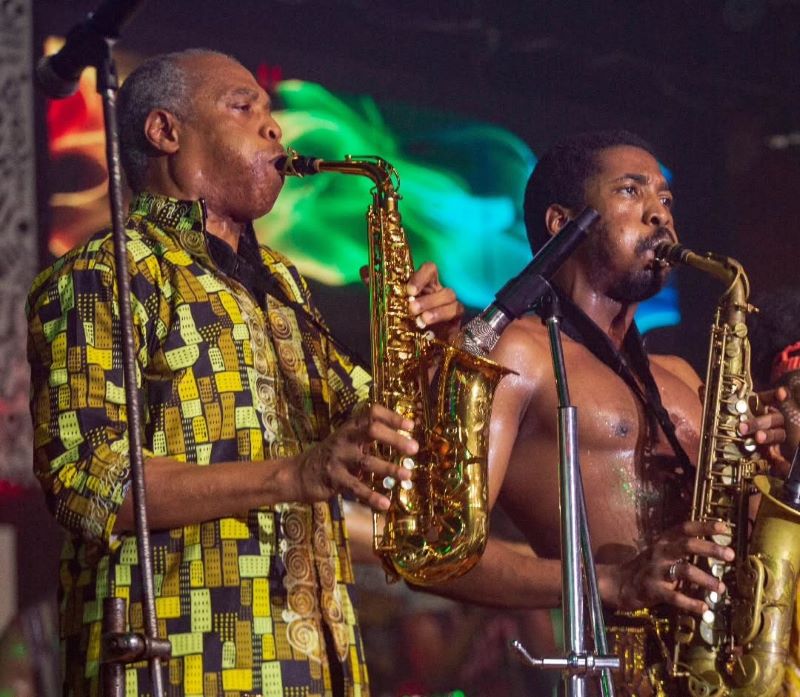
The Kuti family has also continued to carry the Afrobeat tradition forward, with Fela’s sons, Femi and Seun, creating their own styles and grandson, Made Kuti, adding a new generation to the story. Grammy has described the Kuti family as a generations-long musical dynasty built around Afrobeat and its political consciousness.
Fela’s influence is not limited to music. You can certainly see it in fashion. The loose trousers, bare chest, beads, sunglasses, colorful fabrics, and unapologetically African presentation became part of his visual language. He wore his culture with pride and encouraged others to do the same.
Today, that confidence can be seen everywhere. From Lagos Fashion Week to the streets of London and Atlanta, young Africans and members of the diaspora are embracing traditional fabrics and African-inspired designs as symbols of identity.
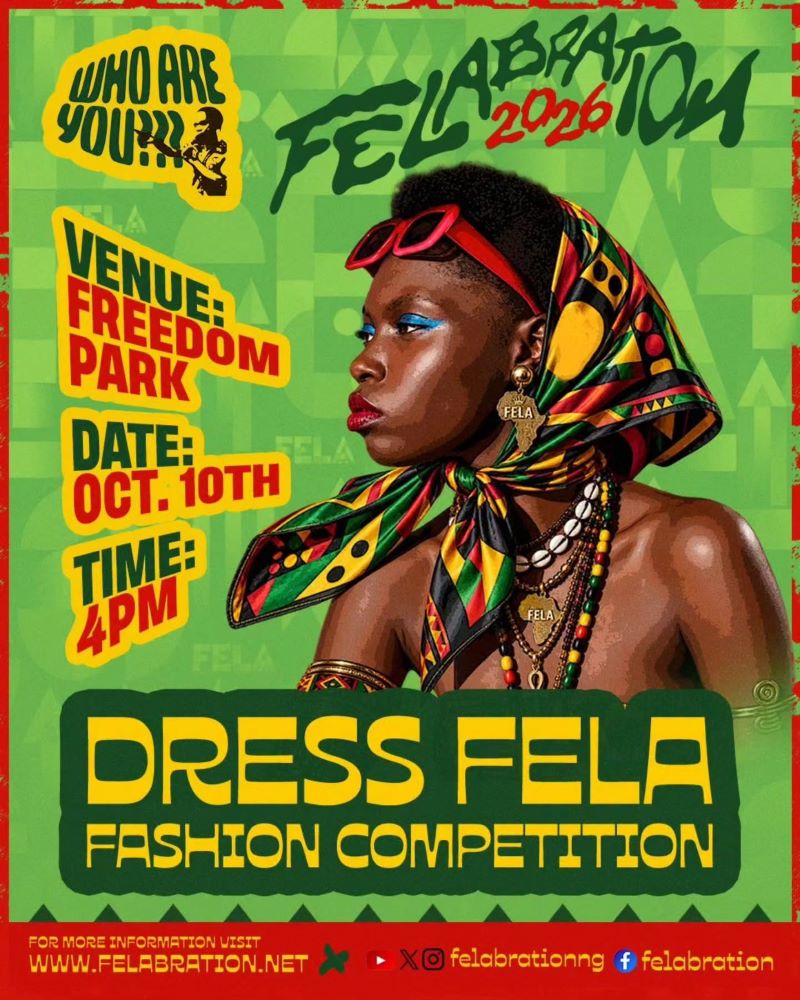
Felabration’s “Dress Fela” competition captures this perfectly. The fashion event was scheduled for October 10, ahead of the main festival week, turning Fela’s unmistakable style into inspiration for a new generation of creatives.
Source: Facebook / Felabration
But perhaps Fela’s most enduring legacy is activism. This has found its place in younger generations of Nigerian activists and artists. It showed up when young Nigerians took to the streets during the EndSARS protests in 2020. Fela’s music and imagery again became part of the language of resistance.
While today’s generation often expresses activism through hashtags, podcasts, and online campaigns, the spirit behind many of those movements feels familiar. Across Africa, young people continue to demand accountability, question systems, and use their voices to advocate for change.
This October, someone will walk into the Shrine for the first time and feel the rhythms hit them like a revelation. Someone will wear an outfit inspired by Fela without having been born when he was alive. Someone will dance to a song written decades ago and then go home and search for the lyrics.
Someone else will hear a line about Nigeria and realize, perhaps for the first time, that the frustration they thought belonged only to their generation has a much longer history.
And somewhere in that crowd, another young African will ask the question at the center of this year’s Felabration: Who are you?