Honoring Harriet Tubman in an Era of Historical Erasure
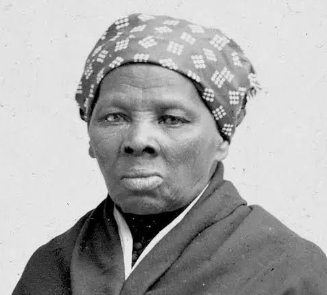
On March 10, communities from upstate New York to college campuses nationwide will gather to mark Harriet Tubman Day.
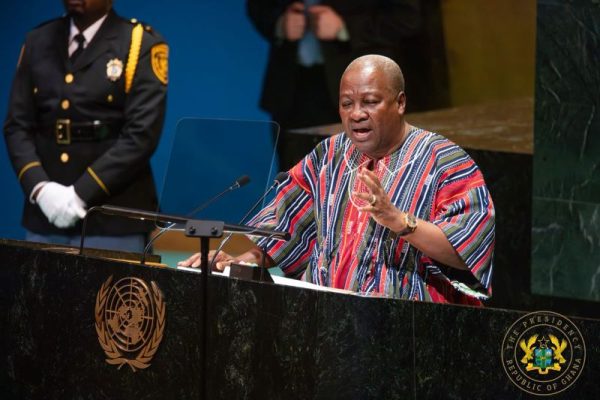
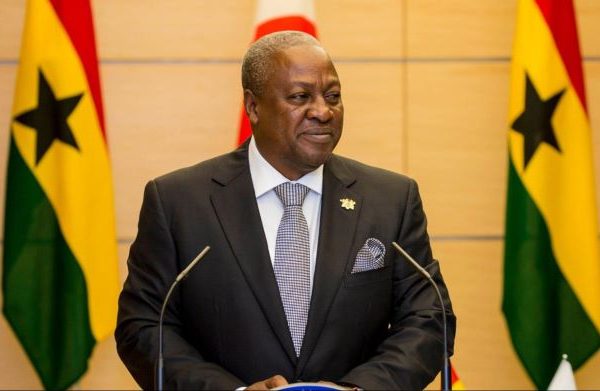
On March 6, Ghana, formerly known as the Gold Coast, celebrates its Independence Day, marking the end of British colonial rule and the beginning of sovereign self-governance. Each year, this day is a national celebration for Ghanaians and a historic milestone for Africa, as Ghana was the first sub-Saharan African colony to gain independence in the post-World War II era in 1957, setting in motion a wave of liberation movements across the continent.
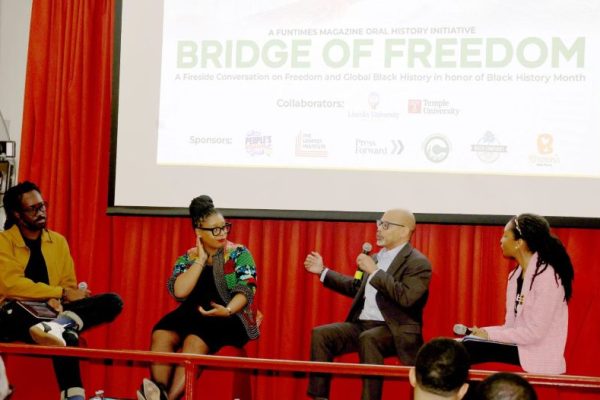
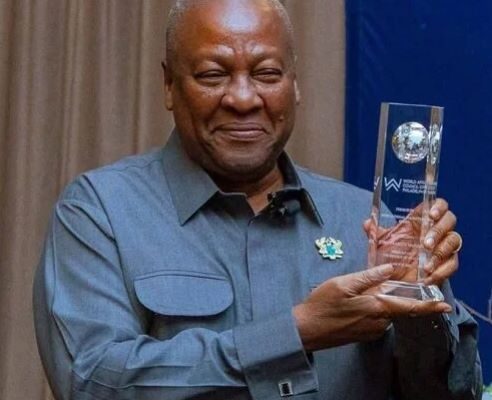
Hosted by FunTimes Magazine, the Fireside Conversation marked the launch of the Bridge of Freedom Oral History Initiative, in collaboration with Lincoln University and Temple University. As the United States approaches its 250th anniversary, the initiative seeks to document the untold stories of African and Caribbean co-leadership in the U.S. Civil Rights Movement, histories that have shaped this country but are too often footnotes in its official narrative.
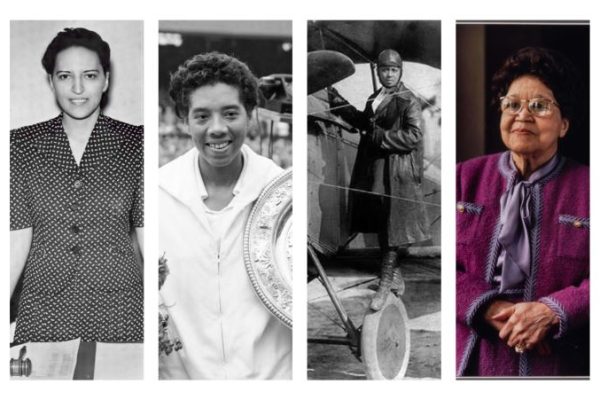
While names like Harriet Tubman, Rosa Parks, and Maya Angelou rightfully have their place in our history books, countless other Black women, who shaped America through their courage, brilliance, and determination, have their contributions relegated to the background or forgotten entirely.
For descendants of the transatlantic slave trade, the desire to know exactly where we come from is a profound ache. We grow up knowing our history was brutally interrupted. We hit the infamous 1870 brick wall. This was the first United States Census that recorded enslaved Black people by their first and last names.
When Reverend Jesse Jackson, a towering figure in modern Black politics, died on February 17, 2026, leaders from Chicago to Cape Town reflected on a life spent pivoting protest into power. He was a man who expanded the horizons of what was politically possible for the African diaspora.
These documentaries do not simply teach the past; they explain the present. They show how laws, protests, art, and identity connect across generations; civil rights marches, modern activism, African independence movements and cultural revolutions.
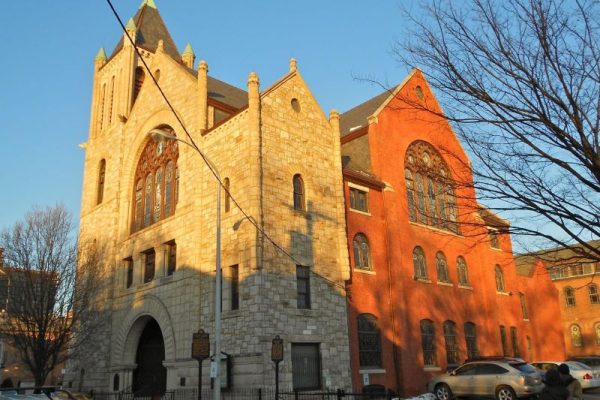
History is often written by those who hold the pen, but the Bridge of Freedom initiative is about those who hold the memories. In a closed-door rehearsal for our upcoming event at Mother Bethel AME, our panelists gathered to prepare for what promises to be an evocative fireside conversation. What began as a logistical check-in quickly evolved into an exploration of what it means to be free in a global diaspora.
February really is that ‘short but mighty’ month. Not only is it Black History Month, but the universe decided that so many of our legends would be born during the very month we set aside to honor Black excellence.
When Carter G. Woodson organized Negro History Week in 1926, he intended a focused antidote to historical erasure. One hundred years later and under ASALH’s 2026 theme “A Century of Black History Commemorations”, communities across the United States and the African diaspora are asking: what has changed, and what still needs doing?