

FunTimes Invites You to Our Valentine’s Day Event
The season of love is just around the corner and we at FunTimes have something fantastic in store for you.
The season of love is just around the corner and we at FunTimes have something fantastic in store for you.

Join FunTimes Magazine on Tuesday, February 8th at 12:00pm EST, as we celebrate Black History Month with US-Liberia Relationship: A roundtable discussion on the U.S. relationship with countries inhabited by emancipated people – Focus on Liberia.
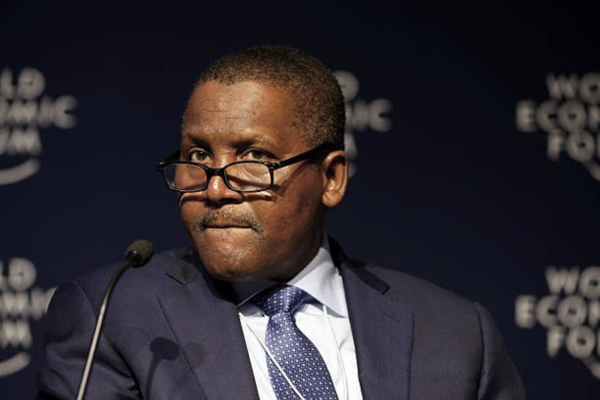
According to Forbes, out of 2,755 billionaires in the world, only 16 are Black! Throughout the years, Black people have…

As the country’s solar-equipment business grows, solar energy is one of the most easily available resources in Africa. This energy source is a cleaner, and typically less expensive, kind of electricity that, once installed, offers African institutions a tremendous chance to develop.

Maybe the pandemic terror has helped us to better understand how interdependent and other-concerned we are or can be.
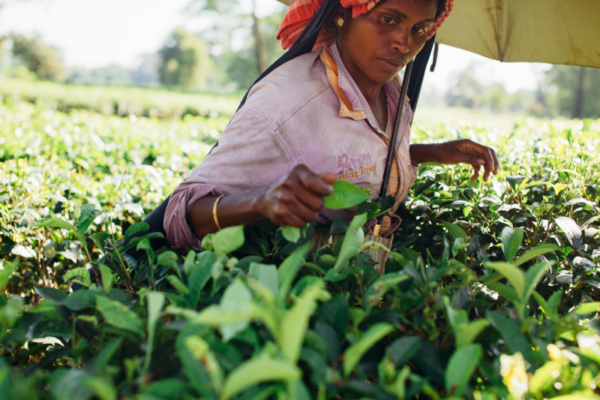
In honor of National Girl Child Day, and the fight to end gender-based violence in India and around the globe, FunTimes Magazine investigates the issue of sexual violence against females in India, and what this means for the African diaspora and girls and women worldwide.
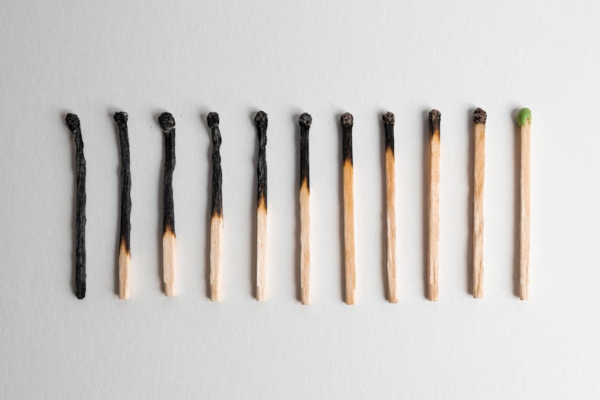
On January 5th, 2022, 12 Philadelphians perished in a house fire. On January 9th, 2022, a Bronx apartment caught fire and claimed the lives of 18, and injured over 60 people due to a faulty space heater and a lack of apartment maintenance. Many of the victims of the Bronx fire were of Gambian descent. In commemoration of the lives lost, and to prevent future tragedies, FunTimes Magazine offers these fire safety tips.
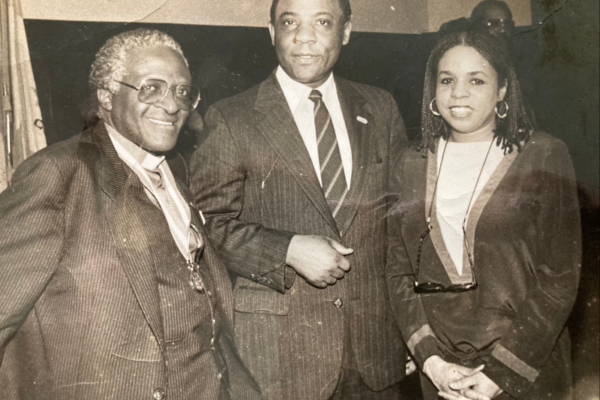
Anglican theologian and human rights activist Desmond Mpilo Tutu, revered for his tireless fight against South African apartheid, has died in Capetown, South Africa at the age of 90.
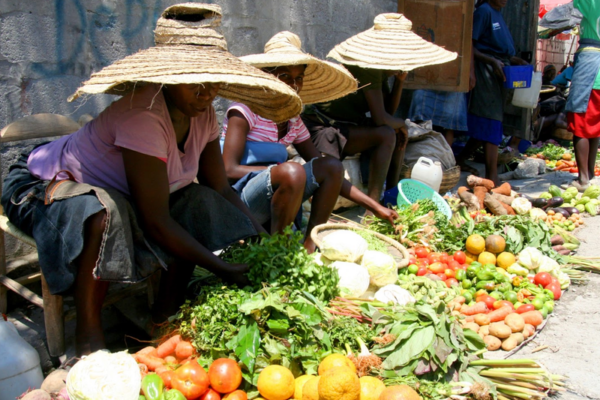
In honor of the country’s independence, we are exploring Haiti’s year and strategies utilized by the country to grapple with hardships.

The unfairness of this two-tiered system was lost on me at the time. As a girl in Bangladesh, I understood this not as inequality, but as a convention.