Source: adeandgina.com
A decorated broom, a rich fruitcake soaked in rum and a ceremonial offering to ancestors may seem like unlikely ingredients for a wedding. Yet, across the Caribbean, these traditions tell remarkable stories of love, family, cultural identity and historical resilience.
Much like traditional African weddings, where every stage of the marriage ceremony reveals something about a people’s culture and worldview, Caribbean weddings offer more than an exchange of vows and rings. They bring families, friends and entire communities together to celebrate love while honoring traditions passed down through generations.
From Jamaica to Trinidad and Tobago and the islands of Grenada, Caribbean wedding traditions reflect a fascinating blend of African, European, Indigenous and other cultural influences. For people of African descent, many of these customs also represent a connection to a heritage that survived centuries of slavery, colonialism and cultural displacement.
Jumping the Broom and Its Connection to Black Wedding Traditions
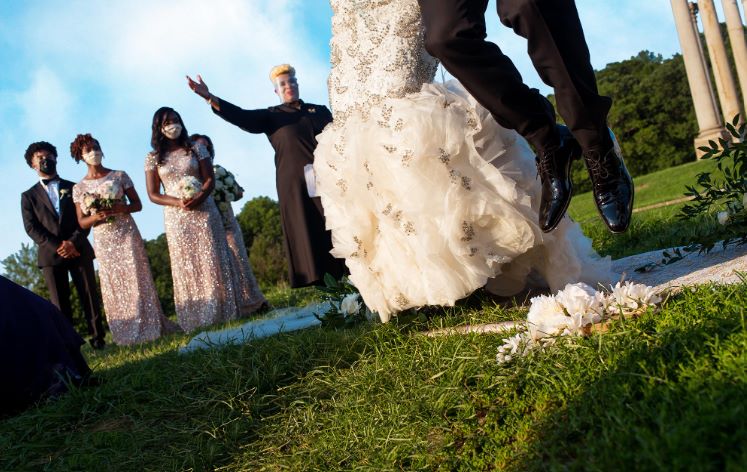
One of the most recognizable Black wedding traditions is jumping the broom, a ceremony in which the bride and groom hold hands and leap together over a decorated broom placed on the ground. The broom symbolizes the home, domestic responsibility and the importance of building a stable family. Jumping over it represents the couple’s transition into married life and their commitment to building a future together.
However, the history of jumping the broom is more complicated than many people realize.
In his 2020 book, Jumping the Broom: The Surprising Multicultural Origins of a Black Wedding Ritual, historian Tyler D. Parry traces the documented practice to marginalized communities in the British Isles, particularly parts of Wales. The tradition subsequently crossed the Atlantic and was adopted by some enslaved African Americans, whose marriages were frequently denied legal recognition.
For these couples, jumping the broom became a way to publicly affirm their love and commitment, even when the law offered their unions little protection.
The tradition experienced a revival during the 20th century, particularly following the popularity of Alex Haley’s Roots. The 1977 television miniseries featured Kunta Kinte and Bell jumping over a broom during their wedding ceremony. Black publications, including Ebony and Jet, also helped renew interest in the practice.
Today, some Caribbean, African American and wider African diaspora couples incorporate jumping the broom into their wedding ceremonies to honor their ancestors. Although its documented origins are multicultural rather than exclusively African, the ritual remains a powerful expression of Black cultural heritage, love and resilience.
The Caribbean Black Cake
If there is one dessert that carries generations of Caribbean history in every slice, it is black cake.
Particularly popular in Jamaica, Trinidad and Tobago and other English-speaking Caribbean territories, traditional Caribbean black cake is closely associated with Christmas, weddings and significant family celebrations. Its origins can be traced to British fruitcake and plum pudding traditions introduced during colonial rule. Caribbean households transformed these recipes over generations, incorporating local ingredients, distinctive spices and their own culinary preferences.
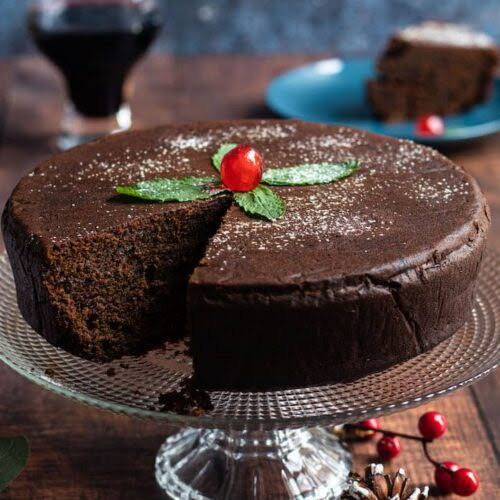
The result is a rich, dark fruitcake made with raisins, currants and prunes soaked in rum and wine, often for extended periods. Nutmeg, cinnamon, vanilla and burnt sugar contribute to its distinctive flavor and appearance.
But Caribbean wedding black cake is about much more than satisfying a sweet tooth. Its preparation preserves family recipes, strengthens intergenerational relationships and provides an opportunity to pass down Caribbean culinary traditions.
In traditional Jamaican country weddings, the cake even had its own parade. Married women dressed in white, often wearing head-ties, carried cakes covered in white lace in elaborate processions before the wedding festivities.
-The bride’s wedding godmother and godfather also played important roles in organizing the celebrations, arranging the cake and coordinating other activities.
These customs demonstrate how traditional Jamaican weddings were community affairs, with relatives and neighbors contributing to the success of the celebration.
Source: Jamaicanfoodsandrecipes
Read also: The Rich Symbolism Behind Wine-Carrying And Other Wedding Traditions Across Africa
Rum, Ancestral Libations and Wedding Traditions in Grenada
In some Caribbean communities, rum serves a purpose far beyond filling a wedding guest’s glass.
Despite its complicated history within the Caribbean’s colonial plantation economy, rum holds ceremonial significance, particularly in ancestral libation practices. One fascinating example can be found on Carriacou and Petite Martinique, islands belonging to Grenada.
According to the Grenada National Trust, traditional weddings in these communities feature distinctive cultural performances known as the Meeting up of the Cake and the Dancing of the Flags. Before the formal wedding, the families of the bride and groom gather at an agreed location, often a crossroads. Accompanied by a traditional string band, flag dancers and cake dancers, the two families come together ahead of the marriage celebration.
An important part of this gathering is the pouring of a libation involving rum and water in remembrance of ancestors.
The practice reflects an African-influenced understanding of ancestry, in which the relationship between the living and those who came before them remains central to community identity. Through this ceremony, the couple’s wedding becomes an occasion to honor the past while celebrating the future.
Beyond jumping the broom, black cake and ancestral libations, traditional Caribbean weddings are distinguished by vibrant music, dancing, colorful clothing and elaborate family gatherings. Music, including Jamaica’s mento, Trinidad and Tobago’s calypso, brings cultural identity and festive energy to wedding celebrations.
Community elders and relatives also provide guidance and support to newlyweds. In some communities, wedding godparents help couples navigate the responsibilities of married life and establish their new homes.
Today, Caribbean couples increasingly blend modern wedding styles with traditional cultural practices. Church ceremonies, destination weddings and contemporary receptions may feature ancestral tributes, traditional black cake, Caribbean music and symbolic wedding rituals.
Keeping Caribbean Wedding Traditions Alive
Caribbean wedding traditions tell stories that extend far beyond the wedding day. They speak of cultural adaptation, historical resilience, family connections and the determination of communities to preserve their identities.
Whether a couple is jumping over a broom, sharing a slice of traditional black cake or honoring ancestors through a symbolic libation, each practice carries a story worth preserving.
After all, a Caribbean wedding is not simply the beginning of a marriage. It is also a celebration of the generations that came before, the community that stands beside the couple and the cultural heritage they will carry into their future together.

Okechukwu Nzeribe works with the Onitsha Chamber of Commerce, in Anambra State, Nigeria, and loves unveiling the richness of African cultures. okechukwu.onicima@gmail.com