Source: The East African
When conversations turn to Ebola, most people immediately think of the devastating West African epidemic of 2014–2016, which claimed thousands of lives and exposed serious weaknesses in healthcare systems across the continent. Yet Ebola is not a single virus. It consists of several species, each with unique characteristics and varying fatality rates.
Among them is the Bundibugyo Ebola virus (BDBV), a lesser-known but equally dangerous strain first identified in Bundibugyo District in western Uganda. Although it has caused fewer outbreaks than the Zaire ebolavirus, Bundibugyo Ebola remains a significant public health threat that demands continued vigilance.
Explaining the epidemiology of the virus, the World Health Organization notes that “Bundibugyo virus disease (BVD) is a severe Ebola disease caused by the Bundibugyo virus, one of the Orthoebolavirus species. It is a zoonotic disease, with fruit bats suspected to be the natural reservoir.”
Human infection is thought to occur through close contact with the blood or secretions of infected wildlife, such as bats or non-human primates. The virus can subsequently spread from person to person through direct contact with the blood, secretions, organs, or other bodily fluids of infected individuals, as well as through contaminated surfaces and materials.
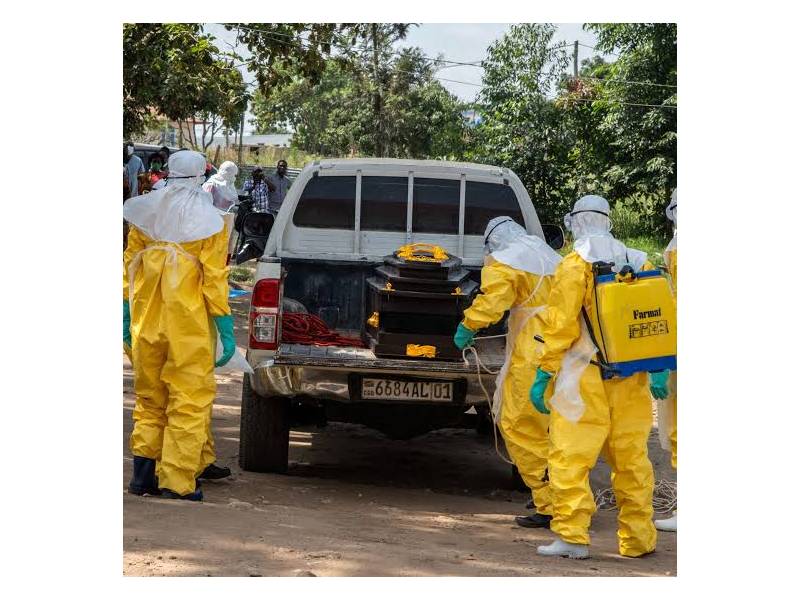
Transmission can be particularly amplified in healthcare settings when infection prevention and control (IPC) measures are inadequate, as well as during unsafe burial practices involving direct contact with deceased individuals.
The incubation period for BVD ranges from two to 21 days, and infected individuals are generally not infectious until symptoms begin. Early symptoms such as fever, fatigue, muscle pain, headache, and sore throat are non-specific, complicating clinical diagnosis and delaying detection. These symptoms may then progress to gastrointestinal symptoms, organ dysfunction, and, in some cases, hemorrhagic manifestations.”
According to disease outbreak information from the health authorities, the Democratic Republic of the Congo has recorded significant numbers of confirmed cases and deaths in recent outbreaks, highlighting the continuing danger posed by Ebola viruses in Central and East Africa. The experience also demonstrates how quickly an outbreak can strain healthcare systems and communities when detection and response mechanisms are insufficiently prepared.
The emergence of the Bundibugyo strain continues to reinforce an important reality: governments must constantly evolve their strategies for preventing, detecting, and responding to potential outbreaks. Governments cannot afford to prepare only for yesterday’s outbreaks or attempt to address tomorrow’s health emergencies with yesterday’s tools.
With increasing population growth, urbanisation, human-wildlife interaction, and cross-border migration facilitated by globalisation, the continent faces an ever-present risk of emerging and re-emerging epidemics. The lessons from Bundibugyo Ebola therefore, extend far beyond Uganda. They offer valuable guidance for every African nation seeking to strengthen its health security and protect its population from future outbreaks.
The future of epidemic preparedness will depend not only on governments but also on ordinary citizens, healthcare professionals, researchers, community leaders, and regional institutions working together. Preventing future outbreaks requires preparedness before the first patient becomes infected, not after hospitals begin to fill.
Perhaps the greatest lesson from Bundibugyo Ebola is that preparedness is critical in determining both the outcome of an outbreak and the speed at which it can be brought under control.
One such step is recognizing that emerging infectious diseases often originate where human activity increasingly intersects with wildlife habitats. Deforestation, mining, agricultural expansion, and illegal wildlife trade can increase opportunities for viruses to move from animals to humans.
Source: Bloomberg, Photograph: Moses Sawasawa/AP
Read also: Taking Action For Black Wellness On World Health Day 2026
African governments can take deliberate steps to enact and enforce policies and laws that protect forests and wildlife habitats while promoting responsible environmental management practices that safeguard both wildlife and public health. Strengthening wildlife surveillance while educating communities about the risks associated with handling or consuming sick or dead wild animals can be crucial to preventing diseases before they become larger public health emergencies.
Another important step African governments can take is to strengthen public healthcare delivery systems before the onset of any outbreak. Several African countries continue to struggle with shortages of healthcare workers because of poor remuneration and working conditions, inadequate medical equipment, limited laboratory facilities, insufficient isolation centers, and underfunded disease surveillance programs.
Prioritizing investments in laboratory networks, emergency medical logistics, digital disease-reporting systems, ambulance services, and continuous professional development for healthcare personnel is crucial if African governments are to strengthen their ability to respond to infectious diseases. Such investments are also necessary to address the persistent brain drain, with African medical professionals continuing to leave the continent for developed countries in search of better working conditions and opportunities.
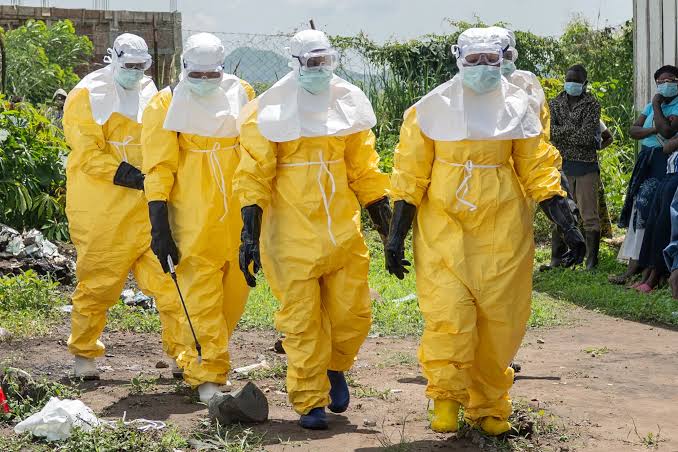
An effective response requires well-equipped hospitals that can identify infectious diseases early and protect healthcare workers through proper infection prevention and control measures.
These improvements would not only strengthen Ebola preparedness but also enhance responses to cholera, Lassa fever, Marburg virus disease, mpox, influenza, and other emerging infections. Countries with functioning surveillance systems, trained healthcare workers, laboratory capacity, and rapid response teams are better positioned to detect infections early and contain them before they become widespread epidemics.
Building trust between African governments and their citizens is another essential step towards preventing future outbreaks. One of the biggest barriers to containing viral diseases has been the trust deficit, fueled largely by poor information management and inconsistent communication. No epidemic response can succeed without public trust.
Building trust requires consistent engagement long before an emergency occurs. This is where community leaders, religious organizations, youth groups, women’s associations, and traditional rulers can become active partners with the government in information dissemination and disease prevention.
Public health communication delivered in local languages can go a long way towards reaching people and driving the behavioral changes needed to curtail the spread of infectious diseases. Communities are more likely to follow health advice when messages are communicated by trusted local voices that understand their cultural beliefs, concerns, and practices.
More importantly, cross-border cooperation matters now more than ever in curtailing the spread of infectious diseases.
As pointed out by Dr Jean Kaseya, Director-General of the Africa Centres for Disease Control and Prevention (Africa CDC), during the launch of the Africa CDC and WHO joint continental Ebola response plans, “Ebola moves fast. Africa must move faster. This joint plan gives the continent a clear path to act with speed and unity: to save lives, support the affected countries and protect neighboring communities.”
Viruses do not recognize national borders. The history of Ebola outbreaks has demonstrated how easily infectious diseases can spread across neighboring countries through trade, migration, travel, and family connections.
African governments must therefore strengthen regional cooperation through coordinated surveillance, timely information sharing, joint simulation exercises, and harmonized emergency response protocols. Regional institutions must also be adequately empowered and resourced to coordinate rapid responses when outbreaks occur.
It is also important to note that preventing future epidemics is not solely the responsibility of governments. Individual citizens have important roles to play in protecting themselves, their families, and their communities.
People should seek prompt medical attention when experiencing symptoms consistent with serious infectious diseases, cooperate with health authorities during contact tracing, practice good hygiene, and follow recommended safety measures during outbreaks. Citizens must also be cautious about sharing unverified information that could create fear, stigma, or resistance to legitimate public health interventions.
For Black Africans, the lesson from Bundibugyo Ebola should not simply be that another dangerous virus exists. The deeper lesson is that Africa must build systems capable of identifying threats early, responding rapidly, communicating effectively, and protecting communities before an outbreak becomes a continental crisis.

Okechukwu Nzeribe works with the Onitsha Chamber of Commerce, in Anambra State, Nigeria, and loves unveiling the richness of African cultures. okechukwu.onicima@gmail.com