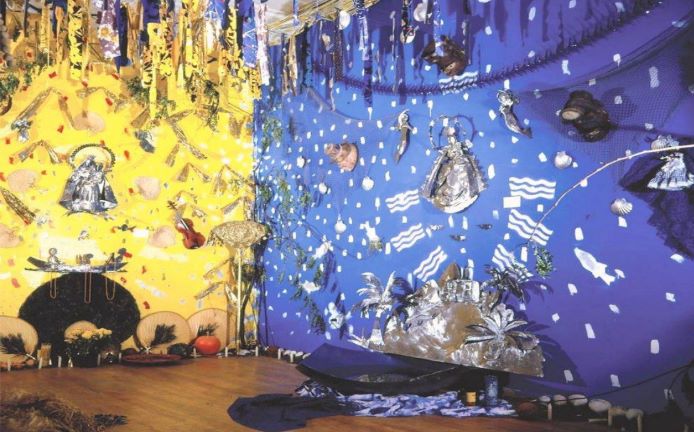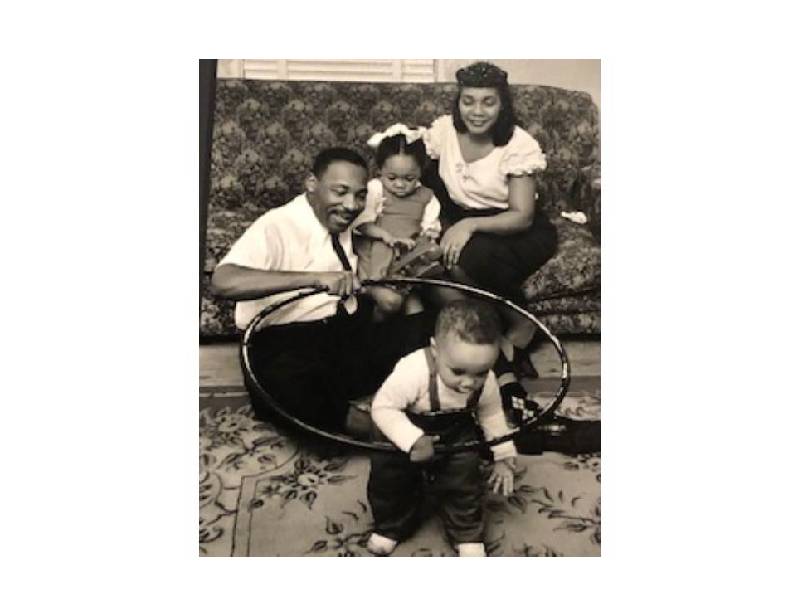
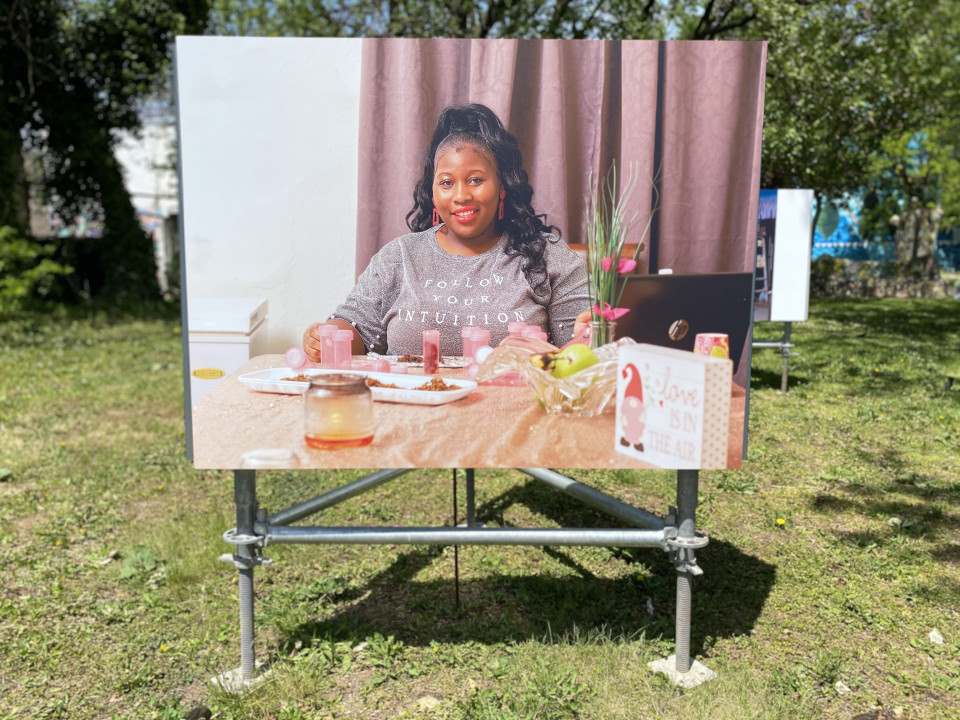
Image Credit: Deborah Willis. Staying Power – Deborah Willis, Black Women and Work | Monument Lab
Philadelphia has quietly become a vital node in a global movement. African women are using documentary photography to rewrite diasporic narratives, claim public space, and build community archives. The past two years have brought major exhibitions, institutional programs, and grassroots networks that make Philadelphia essential reading for anyone tracking African and African American visual storytelling in 2026.
This momentum did not emerge in a vacuum. It builds on profound, foundational work like the Monument Lab and Deborah Willis collaboration, Staying Power, which transformed North Philadelphia storefronts into monumental galleries honoring local Black women. Today, that legacy of combining high-art visibility with hyper-local reverence is being carried forward by a new generation of African and African-diaspora women who are leveraging Philadelphia’s unique cultural infrastructure to reframe Black life.
The explosion of documentary photography by African women in Philadelphia is linked to a broader global awakening. Historically, the visual narrative of Africa and its diaspora has been mediated through a colonial or predominantly male lens. However, the last few years have seen a systemic pushback, driven by highly organized digital collectives, international open calls, and a shifting curatorial focus.
Platforms like African Women in Photography (AWiP) and Unpublished Africa have successfully decentralized the gatekeeping of the photography world. By creating direct pipelines between the continent and major US art hubs, these networks ensure that artists no longer have to wait for traditional museum validation to find their audience. Unpublished Africa’s recent open calls have specifically targeted women’s narratives, funneling fresh, uncompromising talent into international view.
The impact of this movement is best understood through the words of the scholars, curators, and visual activists who are actively building this new archive. Their insights reveal a shared commitment to challenging dominant narratives through the lens of love, agency, and activism.
Deborah Willis, the acclaimed Philadelphia-born, New York-based scholar and Chair of the Department of Photography & Imaging at NYU Tisch, returned to her roots to capture the emotional core of documenting Black life in her Staying Power project:
“I have thought about the notion of staying… [This is] precisely why the foundation of this exhibition has everything to do with the power of those who stayed, and in particular, Black women whose power has never been transient… because the basis of that power is love.”
Practitioners to Watch
The intersection of global diasporic identity and Philadelphia’s local culture has produced a striking roster of talent. These artists have exhibited at local institutions or participated in the city’s robust residency programs.
1. Naomieh Jovin
Is a first-generation Haitian-American photographer and 2024 Philadelphia Cultural Treasures Fellow. Her work deeply explores themes of family, generational trauma, and cultural retention. She played a vital collaborative role as Portrait Photo Assistant to Deborah Willis on the Staying Power project, helping to capture the essence of Black women entrepreneurs in North Philly. Her own independent, award-winning archive work, the Gwo Fanm project, cements her as a crucial local documentarian, bridging the gap between personal archives and public monuments.
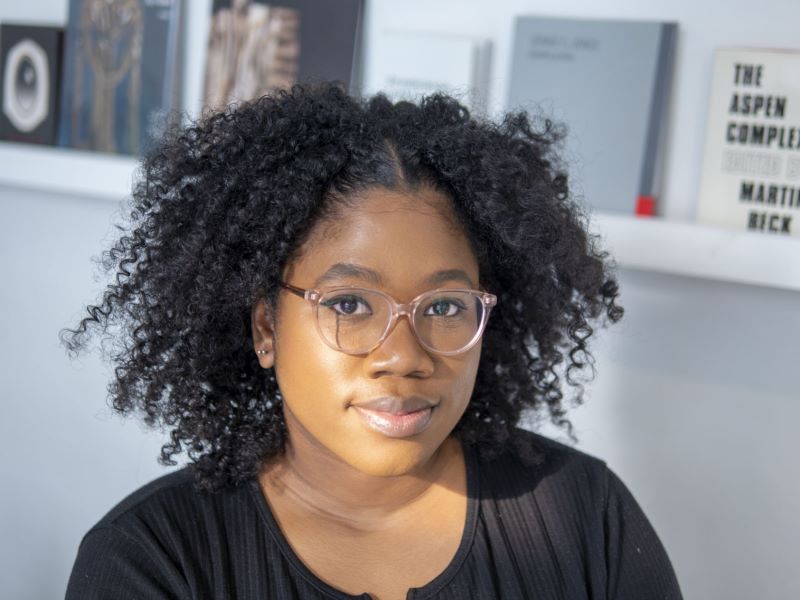
Source: Alumni Spotlight: Naomieh Jovin ’17 | Moore College
2. Kara Mshinda
A visual anthropologist and interdisciplinary artist. Her practice seamlessly blends documentary photography with archival research to explore Black identity, memory, and embodiment. She is also a 2024 recipient of the Philadelphia Fellowship for Black Artists and an educator at Temple University’s Tyler School of Art and Architecture. Her recent collaborative exhibition, Of Black Wombhood (hosted by the TILT Institute), utilized narrative portraits and oral histories to document the interiority and physical realities of Black women, cementing her reputation for transforming everyday social encounters into vital public records.
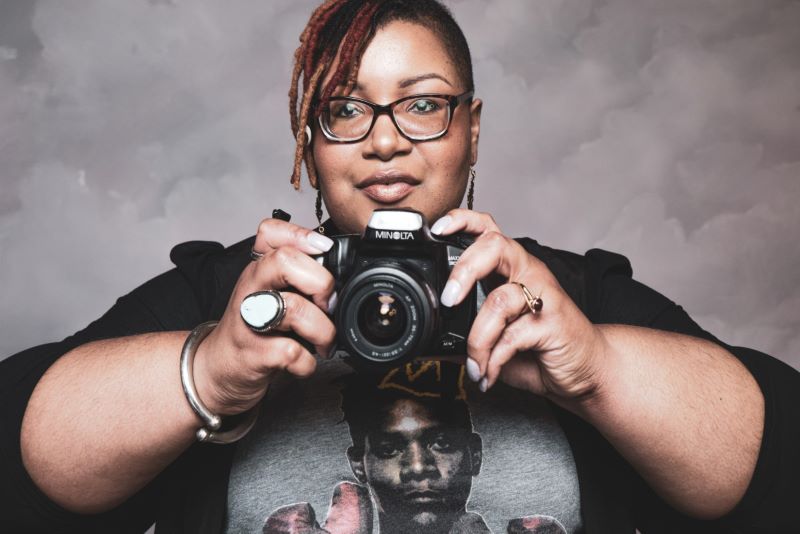
Source: Kara Mshinda (GrioXArts) » Cherry Street Pier
3. Tash Billington
A Philadelphia native, Billington uses documentary photography and community engagement as active tools for healing and spatial equity. Another standout alumna of the Women’s Mobile Museum collective, her lens focuses heavily on normalizing the everyday realities and tenderness of Black life in the city. Billington’s deep collaborative ties to both Philadelphia Mural Arts and the TILT Institute, combined with her recognition at the New York Times Portfolio Review, make her a central, on-the-ground figure in the city’s movement to put cameras directly into the hands of the communities being documented.
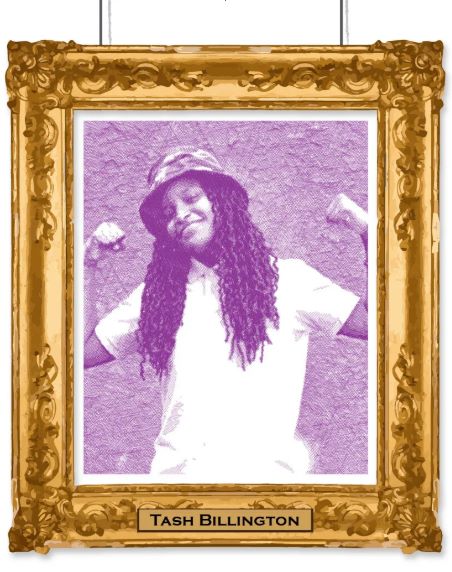
Source: Tash Billington, Everyday Genius — DVAA
Philadelphia’s Ecosystem and The Hubs of Resistance and Creation
For photographers living, working, or exhibiting in Philadelphia, the city offers a deeply interconnected ecosystem. It is sustained by institutions that have actively shifted their programming to support Black and diasporic visual storytellers.
- TILT Institute for the Contemporary Image: Formerly the Philadelphia Photo Arts Center, TILT has become a cornerstone for contemporary documentary practice. Through its extensive exhibition calendar, the beloved Philly Photo Day, and highly competitive artist labs, TILT provides both the physical space and the technical resources (including state-of-the-art print labs) needed for large-scale documentary projects.
Source: Instagram | TILT Institute
- The African American Museum in Philadelphia (AAMP): AAMP remains the historical and cultural anchor for Black visual arts in the city. Their recent programming and expanded virtual campus have created a dynamic space where historical archives are put into direct conversation with contemporary African and African American documentary work, offering a crucial contextual grounding for new artists.
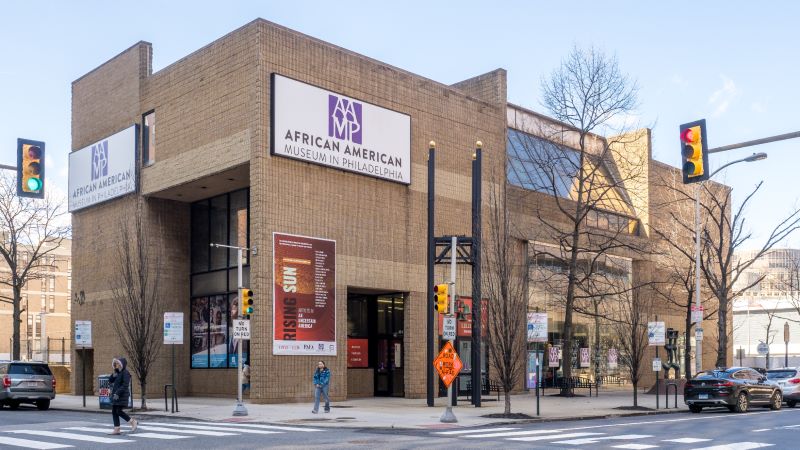
Source: African American Museum in Philadelphia – Wikipedia
- Philadelphia Museum of Art (PMA): Through its Creative Africa programs and regional exhibitions, the PMA has increasingly highlighted African and African diasporic photography. The museum’s recent acquisitions and curatorial shifts reflect a broader institutional mandate to integrate these visual histories into the permanent, global canon.
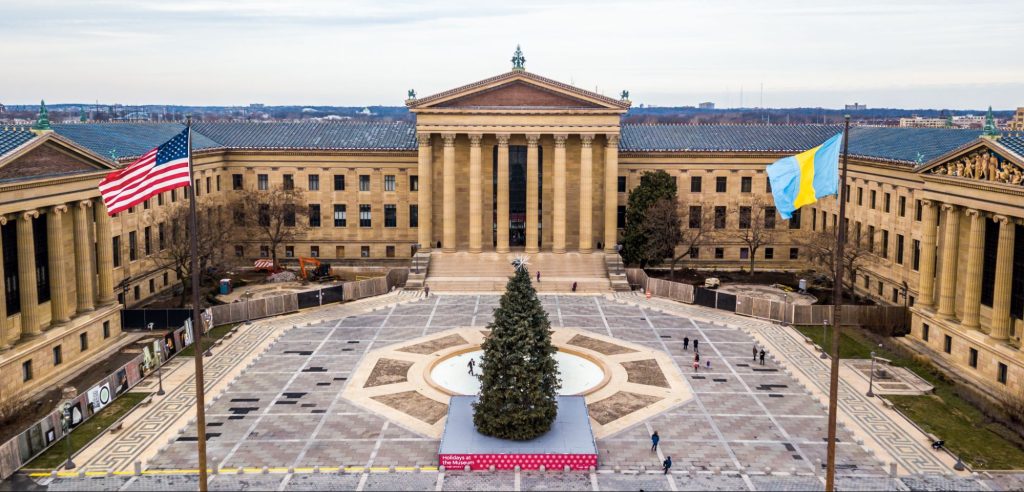
Source: Philadelphia Museum of Art – Wikipedia
Financial and structural support makes this ecosystem viable. Initiatives like the Philadelphia Fellowship for Black Artists and TILT residencies provide the necessary funding, mentorship, and uninterrupted time for women to focus on long-term, ethically sound documentary projects that require deep community trust.
The rise of African women in documentary photography across Philadelphia is a structural correction. By claiming space on gallery walls, building independent digital archives, and insisting on ethical, community-led storytelling, these women are ensuring that the visual history of 2026 is recorded accurately. This movement demands public participation. To understand this moment, you must see the work, fund the practitioners, and amplify the platforms doing the ground-level organizing.

Anand Subramanian is a freelance photographer and content writer based out of Tamil Nadu, India. Having a background in Engineering always made him curious about life on the other side of the spectrum. He leapt forward towards the Photography life and never looked back. Specializing in Documentary and Portrait photography gave him an up-close and personal view into the complexities of human beings and those experiences helped him branch out from visual to words. Today he is mentoring passionate photographers and writing about the different dimensions of the art world.