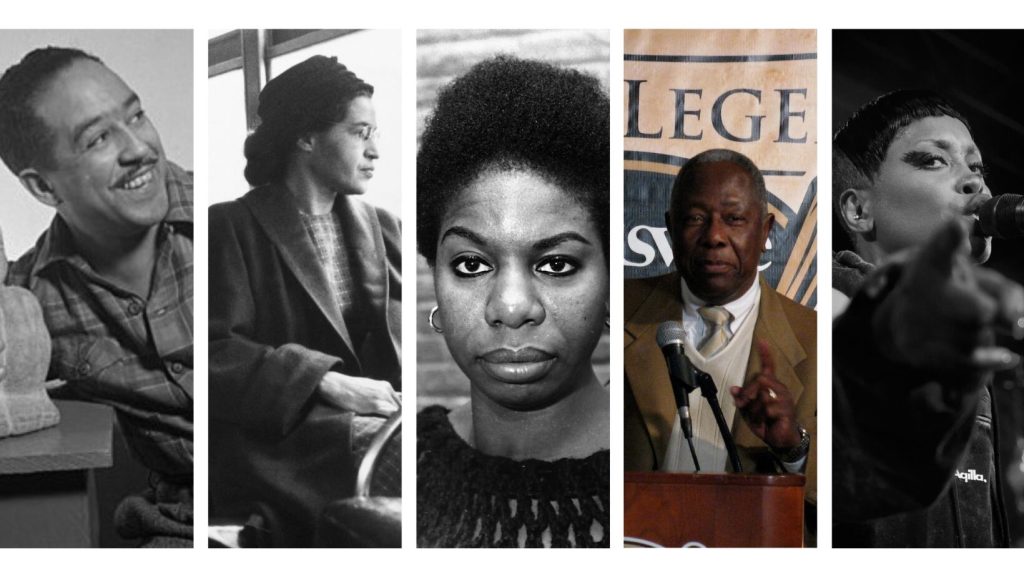

Spike Lee, John Singleton, Tyler Perry, Antoine Fuqua, and Forest Whitaker, (
Georges Biard, CC BY-SA 4.0, Canadian Film Centre from Toronto, Canada. Cropped and color-corrected prior to upload by Daniel Case, CC BY 2.0, AMFM STUDIOS LLC, CC BY 3.0,
Antoine_Fuqua.jpg: Nicogenin derivative work: Beao, CC BY-SA 2.0,
Gage Skidmore, CC BY-SA 3.0,
) via Wikimedia Commons
Spike Lee, John Singleton, Tyler Perry, Antoine Fuqua, Forest Whitaker, Denzel Washington, and a host of other Black producers have continued to shine the light in the movie production business of Hollywood. Their success stories and the movies they produced have not only been box office hits but have earned them several awards and accolades.
While the Hollywood industry has grown to be more racially accepting of its various diversities, the recent successes of Black movie producers have remained a positive growth as compared to the days of Oscar Micheaux who is credited as being a pioneer for Black filmmaking and the first African American to produce a feature-length film in 1919.
Not only were Black movie producers not that many nor popular, it was also an industry dominated by whites to the point where roles that required Black representation would be taken up by white actors who applied Black face makeup to portray Black characters often in a caricatured and offensive manner. This was known as ‘minstrelsy’.
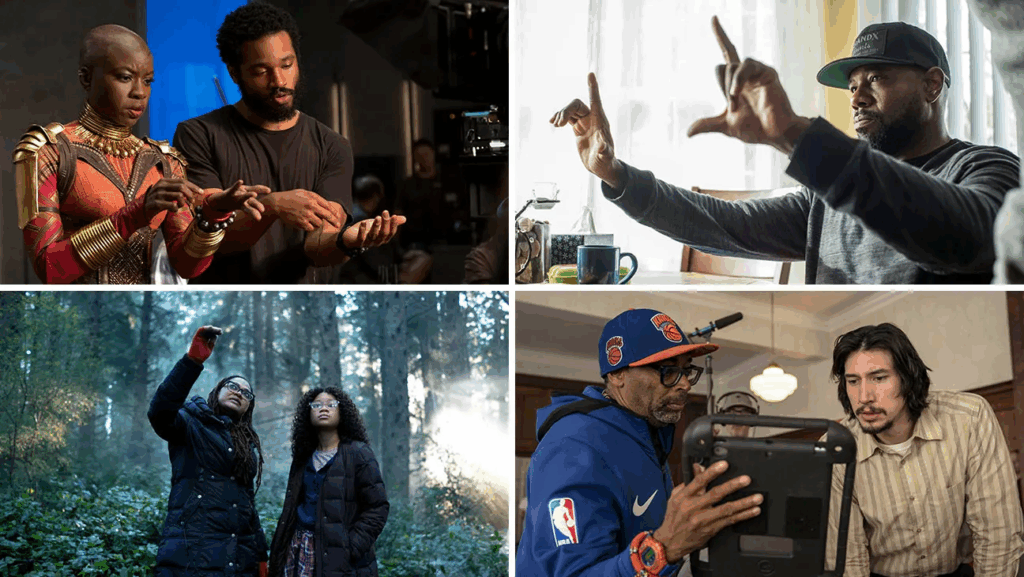
Image: The Hollywood Reporter
Read also: 5 Black Filmmakers Who Changed The Course Of Filmmaking
Rewriting the Narrative
As Hollywood began to evolve, Black filmmakers began to come on board in rewriting and showcasing the narratives of African American history, culture, and experiences. With a lot of misrepresentation about African Americans, efforts were underway to correct this misrepresentation and retell the stories.
Committed to these tasks were actors, directors, writers, and producers of African American origin who, understanding that there is an already existing market among the Black community, leveraged their talents to provide stories that properly described the history of events and portrayed characters as they should.
As pointed out by the research database platform EBSCO, “The catalyst for this revolution was more than simply a trend, it was the controversial success of Spike Lee’s Do the Right Thing (1989) following the more marginal success of his earlier films, School Daze (1988) and She’s Gotta Have It (1986). By 1990, Lee had become both a national celebrity, appearing in television commercials for Nike shoes, and a respected major filmmaker, creating opportunities for other African American talents such as Mario Van Peebles, whose New Jack City was released early in 1991, and John Singleton, whose semiautobiographical Boyz n the Hood was released later in that year to high critical acclaim. These films grew out of the Black urban experience and reflected the concerns and culture of African Americans in new and vital ways”.
As more Black movie producers came onto the stage, roles like butlers, negro servants, sharecroppers, and other minor insignificant roles aimed at creating a caricature of the Black character became less pronounced, while more opportunities for Black actors to play leading roles with better descriptions of their character became prominent.
Unlocking Doors of Black Excellence
Today, not only have Black movie producers continued to wield considerable influence in the movie industry, but their success stories can also inspire several career fields in the movie industry.
Whether they be script writers, actors, costume and make-up designers, as well as other roles that make up the process of film making, having roles assigned to them in movies telling Black stories as well as portraying their experience not only helps young Black talents to gain experience, but it also further strengthens their resume thereby helping them succeed in Hollywood.
Another influencing factor for Black producers is their ability to tell the stories right. Movies like Fences which was produced by Denzel Washington had as leading cast roles several Black “A-list actors” like Denzel, Viola Davis, Stephen McKinley, Mykelti Williamson, Russell Hornsby among several others who not only gave outstanding performances for their respective roles but also portrayed the daily struggles of the average African American.
In one of his interviews with Karen Hunter of SiriusXM Urban View, Denzel, when asked about some of his reasons for an all Black cast he stated “It’s not colour, its culture, Steven Spielberg did Schindler’s List. Martin Scorsese did Goodfellas, right? Steven Spielberg could direct Goodfellas. Martin Scorsese probably could have done a good job with Schindler’s List. But there are cultural differences. I know, you know, we all know what it is when a hot comb hits your head on a Sunday morning, what it smells like. That’s a cultural difference, not just a colour difference.”
It is these cultural differences that Black producers can weave and bring to light both through their stories and the actors they guide in portraying the role to perfection.
Another influencing factor for Black producers is building up new Black talent in the movie industry whether through financial support or by assigning roles in one of their movies. One example is the late Black Panther and Ma Rainey’s Black Bottom star and actor Chadwick Boseman.
During the 47th AFI Life Achievement Award ceremony in 2019, Chadwick paid tribute to Denzel Washington as a benefactor and mentor, recognizing his instrumental role in supporting the payment of his fees at the summer acting program of the British Academy of Dramatic Acting in Oxford. Chadwick would go on to win 59 awards and be nominated for 96, giving credence to the importance of promoting Black excellence in Hollywood. Other producers like Tyler Perry have also used their platforms to promote Black excellence in the movie industry.
Whether it is in hiring or casting Black actors and talents in movies, Black producers open the gates for greater interest from Black creatives seeking to pursue careers in Hollywood. Hand-holding them through the process can go a long way in not only honing their skills but ensuring they embody the Black excellence that others can learn from.

Okechukwu Nzeribe works with the Onitsha Chamber of Commerce, in Anambra State, Nigeria, and loves unveiling the richness of African cultures. okechukwu.onicima@gmail.com