For decades, Black audiences engaged with horror through a lens of deep frustration. We were disposable plot devices. But the landscape has completely shifted over the last few years. As horror scholar Robin R. Means Coleman points out, the trope is not just that Black characters die first, but rather that “they often die so senselessly, it pisses you off”. Today, Black filmmakers have unapologetically reclaimed the camera.
In modern Black horror, the supernatural is rarely the only threat. “In Black horror, the monster is often the things that tear Black communities apart,” Coleman observes. The protagonists in these narratives are not the traditional “final girls” who survive a slasher and ride off into the sunset; they are what Coleman calls “enduring women” who walk away from the terror knowing that “more racism and more discrimination has come and their battle is just beginning”.
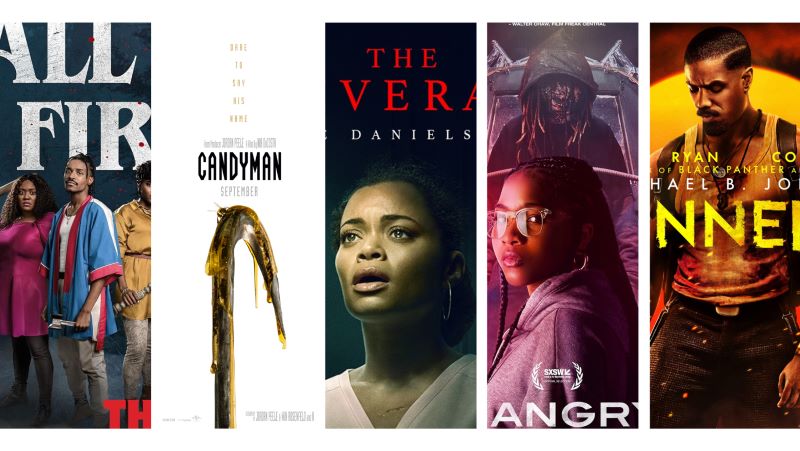
Here is the essential dashboard of films that define this era of storytelling.
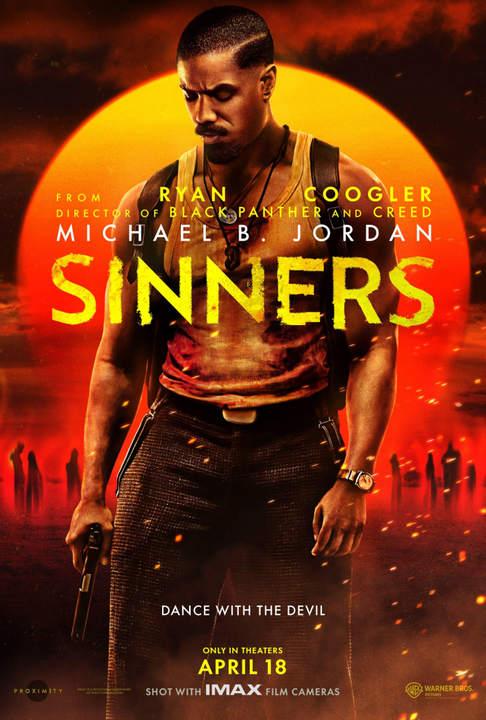
Sinners (2025)
Ryan Coogler directs Michael B. Jordan in a vampire thriller firmly rooted in the Jim Crow South. Sinners abandons traditional gothic aesthetics to explore historical terror and bloodlines. By placing supernatural predators in an era where Southern Black communities already had to guard against systemic, real-world violence, Coogler makes the stakes deeply visceral and historically grounded.
Source: IMDB
The Deliverance (2024)
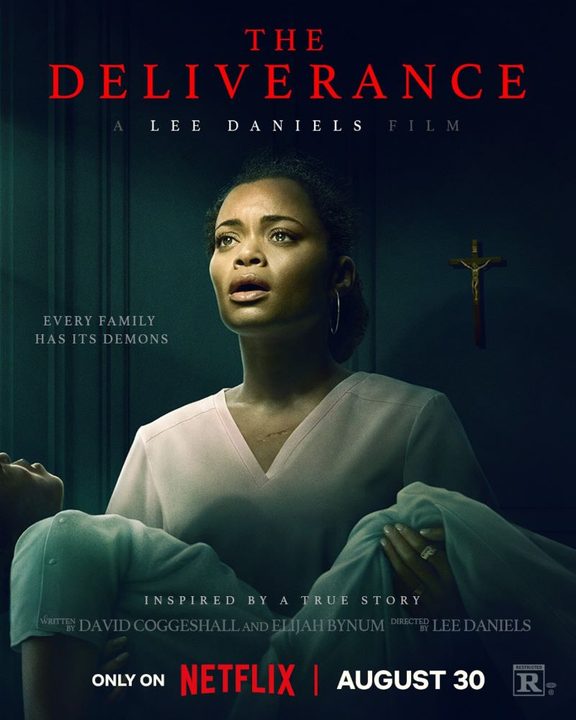
Lee Daniels steps into supernatural horror with a film inspired by actual accounts of a haunting in Indiana. Starring Andra Day as a struggling single mother, the film treats institutional neglect with the same gravity as spiritual warfare. The tension relies heavily on the lived realities of working-class families trying to keep their homes, their sanity, and their children safe from both human and inhuman systems.
Source: Netflix
The Angry Black Girl and Her Monster (2023)
Writer and director Bomani J. Story reimagines Mary Shelley’s Frankenstein through Vicaria, a brilliant teenager attempting to cure death after her brother is murdered. The true terror stems from systemic grief and societal marginalization. As Story explained the film’s core psychological theme: “I feel like the real horror in this movie is having someone tell you something that you’re not. And then you believe what they’re telling you is what you are. I hope that people can see the horror in that and take that with them”.

Source: IMDB
Read also: 10 Halloween Costume Ideas Inspired By Black Characters
The Blackening (2022)
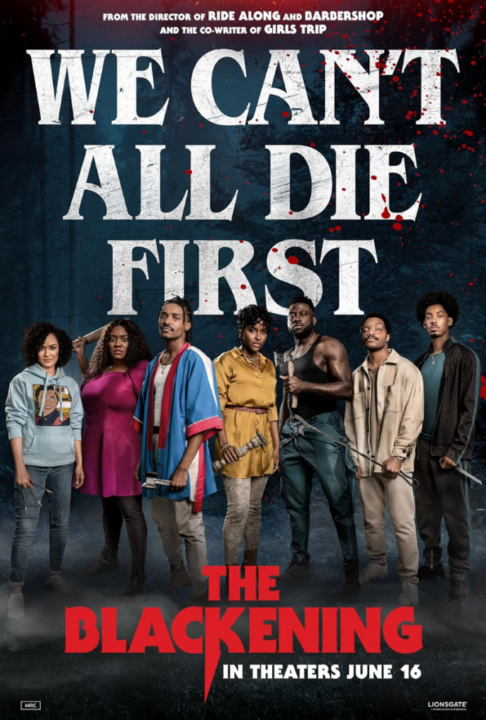
Director Tim Story tackles the oldest horror cliché head-on by trapping an all-Black cast of friends in a remote cabin. To survive, the characters are forced by a killer to rank their own cultural authenticity. It is a razor-sharp slasher comedy that relies entirely on internal cultural references, proving that our humor and community knowledge are legitimate survival mechanisms.
Source: IMDB
Candyman (2021)
Nia DaCosta’s spiritual successor to the 1992 classic shifts the horror directly onto gentrification and collective memory in Chicago’s Cabrini-Green. DaCosta refuses to make the monster a simple boogeyman. She anchors the supernatural in very real exploitation, stating: “CANDYMAN, at the intersection of white violence and black pain, is about unwilling martyrs. The people they were, the symbols we turn them into, the monsters we are told they must have been”.

Source: IMDB
The architecture of cinematic terror has been irrevocably altered. For generations of Black moviegoers, the theater was an exercise in defensive viewing, a dark room where one was asked to suspend disbelief while bracing for inevitable, often humiliating, erasure. To watch these films in October 2026, whether streaming from a brownstone in Brooklyn or a flat in Lagos, is not merely to engage in seasonal escapism. It is a shared, transatlantic reckoning. By turning the camera inward, this generation of storytellers has transformed the genre from a site of our victimization into a proof of our endurance, showing that when the screen finally cuts to Black, we are no longer the casualties, but the architects of our own survival.