Source: Visit Philadelphia
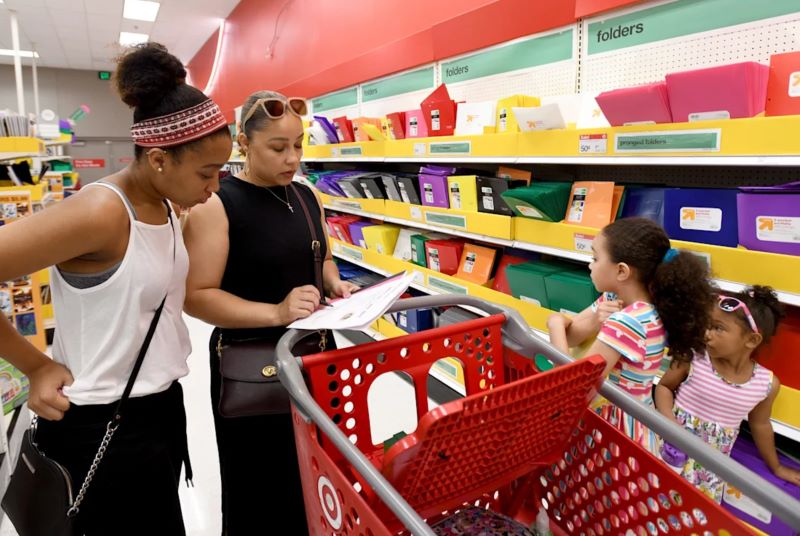
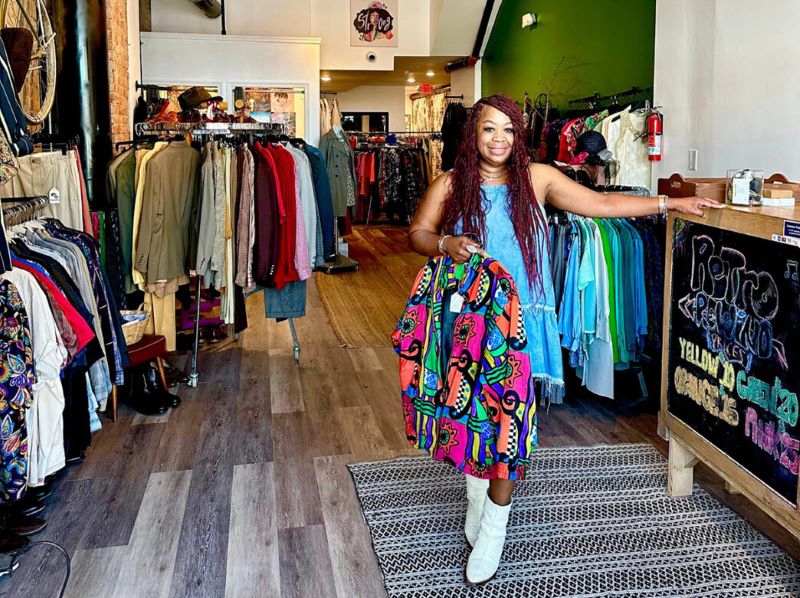
For years, the call to “Buy Black” has been an important part of conversations about economic empowerment in Philadelphia. The message is simple. When Black consumers intentionally support Black-owned businesses, they help keep money circulating within the community, create demand for local entrepreneurs and strengthen businesses that have historically faced barriers to growth.
But there is a bigger question Philadelphia must now confront. What happens after the purchase?
Buying from a Black-owned restaurant, clothing store, beauty brand, construction company, or professional service provider is important, but consumer spending alone cannot create lasting economic power for Black people in Philadelphia. A community can spend millions of dollars supporting Black businesses and still have limited ownership of the buildings where those businesses operate, limited access to investment capital and little representation in the institutions that control economic opportunities.
The next phase of Philadelphia’s Black economic movement should therefore focus more on building Black ownership.
Philadelphia has one of the largest Black populations among major American cities. According to Data USA, in 2024, there were about 606,000 Black or African American, non-Hispanic residents in Philadelphia, making them the city’s largest racial or ethnic population group.
This is significant because Black Philadelphians are not only contributors to the city’s economy; they are also critical stakeholders in the community, contributing significantly to Philadelphia’s cultural, political and economic identity. From music and fashion to restaurants, professional services, construction, healthcare and technology, Black entrepreneurs continue to build businesses that serve local communities and the wider city.
Yet entrepreneurship does not automatically translate into wealth creation.
A business owner who operates from a rented storefront may generate jobs and revenue without owning the property. A successful entrepreneur who cannot access affordable capital for expansion may remain stuck at the same level for years. Another business may have strong sales but lack the financing, professional networks or institutional relationships required to compete for larger contracts.
This is why Philadelphia’s conversation about Black business should increasingly focus on ownership of productive assets. Property ownership is one of the clearest examples.
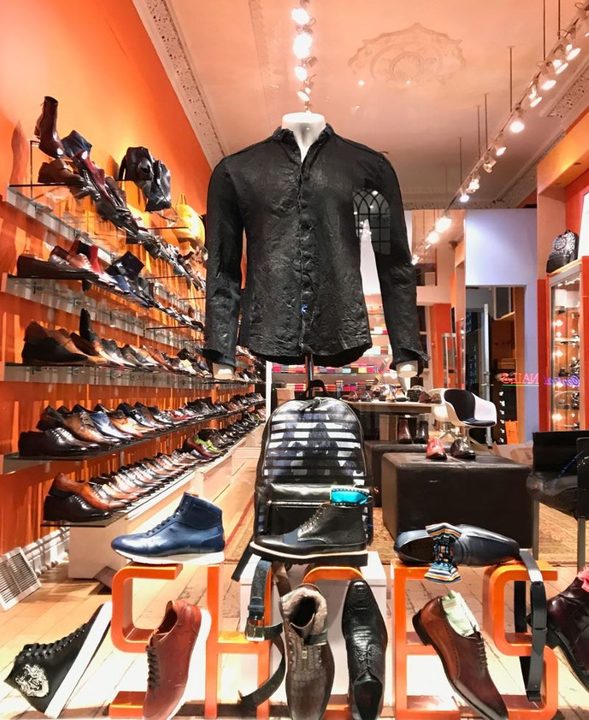
Commercial real estate can provide entrepreneurs with something consumer spending alone cannot create: an appreciating asset. Owning the building where a business operates can give an entrepreneur greater control over recurring expenses such as rent, while providing greater flexibility for expansion and long-term planning. More importantly, the property can become an asset that is potentially passed on to the next generation.
Source: Philadelphia Magazine
Read also: Food Trucks as a Vehicle for Driving Growth of Black-Owned Businesses in Philadelphia
But commercial property acquisition is not an easy feat, particularly in neighborhoods where redevelopment and rising property values are changing the economic landscape. Philadelphia, therefore, needs stronger pathways that help Black entrepreneurs move from tenants to owners.
This could include more accessible mortgage programs, targeted down-payment assistance, community development funds and partnerships between financial institutions and Black business organizations. Black community development financial institutions can also play a larger role in providing financing to entrepreneurs who may not fit the traditional lending model. The goal should not simply be to help someone open a business. It should be to help that person build an asset.
Capital is another critical piece of the equation.
Black entrepreneurs across America have historically faced challenges accessing venture capital, bank financing and other forms of business investment. As noted by Blackstreet.org, the credit system continues to reflect patterns of unequal risk assessment that can disproportionately affect Black borrowers. As a result, many Black entrepreneurs rely more heavily on personal savings, family loans, community lending circles and small-dollar financing. While these sources can help a business get started, they can also limit its ability to scale, hire more workers, adopt expensive technologies or enter new markets.
In Philadelphia, improving access to capital must become a central part of any serious strategy for Black business growth.
There is a difference between giving an entrepreneur a grant to keep a business operating and providing the capital needed to acquire another company, purchase property, hire more workers, develop technology or enter a new market.
Philadelphia should encourage more local investment vehicles focused on Black-owned businesses. Banks, corporations, foundations, universities, high-net-worth individuals and Black communities can work together to create funds that provide patient capital and investment opportunities rather than financing structures that place immediate pressure on small businesses.
At the same time, Black entrepreneurs should be encouraged to think beyond traditional small-business models and explore partnerships that pool resources, knowledge and contacts. Business ownership can take many forms. It can include acquiring an existing company, purchasing a franchise, forming cooperatives, investing in commercial real estate, or building companies capable of sustainable long-term growth.
The city already has a large corporate and institutional ecosystem. The question is how much of that economic activity can be converted into opportunities for Black ownership.
The same thinking should apply to property development.
Community land trusts and other collective ownership models can also help communities maintain a stake in neighborhood development and reduce the risk of residents and small businesses being pushed out as property values rise.
Education is equally important.
Building Black ownership requires financial literacy, but it also requires knowledge of commercial real estate, business acquisitions, intellectual property, investments, contracts, taxes, succession planning, and corporate governance.
Entrepreneurs need to understand not only how to start a company but also how to build a company that can survive its founder.
Source: lastandardnewspaper.com
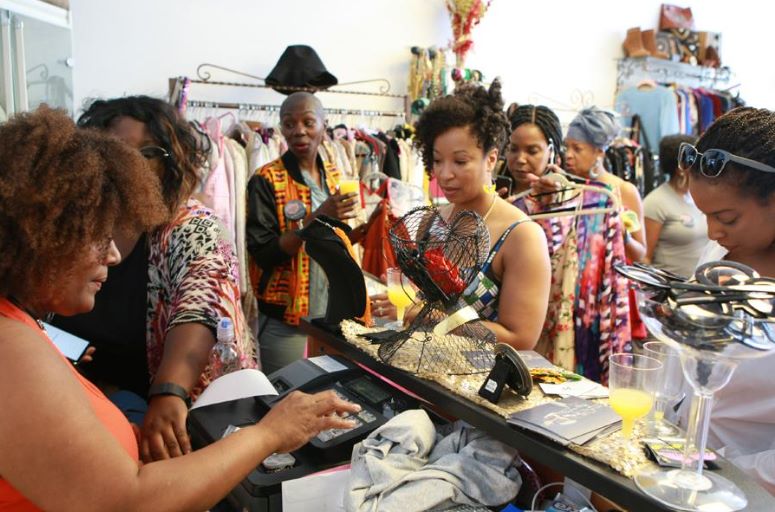
That means succession planning should become part of the conversation. A business that disappears when its founder retires may have created income and employment, but a business that can be transferred to children, employees or other owners has a greater opportunity to create intergenerational wealth.
Philadelphia’s universities, historically Black institutions, business organizations, banks and community groups can help create programs that connect entrepreneurs with the expertise required to move from survival to scale.
Buying Black remains important. Consumers should continue supporting businesses they value. But consumers can also think differently about where their money goes. Supporting Black-owned banks, investment funds, real estate ventures, cooperatives and professional firms can help move the conversation from consumption to ownership.
The ultimate objective should be an ecosystem in which Black wealth is continuously created, retained and reinvested. Buying Black can help a business survive today. Building Black ownership can help a community create wealth for tomorrow.

Okechukwu Nzeribe works with the Onitsha Chamber of Commerce, in Anambra State, Nigeria, and loves unveiling the richness of African cultures. okechukwu.onicima@gmail.com