
Image: Adobe Stock
There are many conversations about relationships and expectations in today’s society that often leave one stunned. In scenarios involving the Black community, where modern-day relationships are the focus, one is repeatedly left in awe and concern at how much relationships seem to have shifted toward a transactional nature or an “I couldn’t care less” mindset.
Across social media platforms, where discussions about relationships within the Black community are common, the same messaging, sometimes even worse, appears to dominate. When you extend this to marriages, you encounter stories of ongoing struggles among Black couples. The ideals of sacrifice, commitment, and honoring vows seem to have been quietly replaced with phrases like “I just want peace” and “I deserve the best.”
In 2026, the concept of “soft life” has become the prevailing mantra shaping modern Black relationships, evolving from a casual phrase into a full-blown philosophy. It is clearly reflected in interactions, expectations, and most importantly, our relationships.
We now live in a consumer-driven world. Everywhere we turn, we are bombarded with adverts, promotions, and messaging that promise the good life, often without acknowledging the work required to build it. Love is gradually becoming harder to attain as relationships grow increasingly transactional, with individuals weighing each other’s ability to deliver this much-touted “soft life.”
As this mindset reshapes how Black couples approach relationships, it also subtly alters our understanding of love itself. Today’s generation is asking: Why commit? Why settle down? Why not have multiple partners without emotional responsibility? Or, on the other hand, why settle for someone who cannot provide luxury, trips, and constant gifting?
This is where the soft life philosophy finds its footing. It encourages people to walk away from “stress,” even within relationships, to avoid emotional strain and to prioritise personal peace and comfort above all. However, the result is a dating pool that feels increasingly distorted. From the very first conversations, expectations are often clear and heavily weighted. Many enter relationships focused on what they can gain, while the idea of sacrificial love is either ignored or openly mocked. One of the most noticeable shifts in modern relationships is how often love is now framed as a value exchange.
When Love Takes a Back Seat
“What do you bring to the table?” is now one of the most common questions in relationship conversations today. It dominates podcasts, social media debates, and everyday interactions. While it is reasonable to desire a partner who contributes meaningfully, the question has increasingly taken on a transactional tone, losing its sincerity.
Love is now evaluated like a checklist of financial stability, emotional intelligence, physical attraction, social status, and lifestyle alignment. One unchecked box can lead to instant disconnection, often without deeper consideration.
In the pursuit of a soft life, many people are less willing to build something meaningful from scratch. Instead, there is a growing preference for partners who already “have it all”: a nice car, a high income, a house, physical perfection, and social appeal. The idea of growing together, once central to many relationships, now feels outdated, sometimes even undesirable. Yet, this notion is largely a delusion. The reality is that no one is ever truly “finished.” Relationships require dedication, commitment, sacrifice, and a willingness to grow together through different seasons of life.
By expecting perfection from the start, many relationships never get the chance to begin, let alone evolve. Potential is dismissed, patience becomes rare, and compromise, an essential ingredient for any successful relationship, starts to feel like settling.
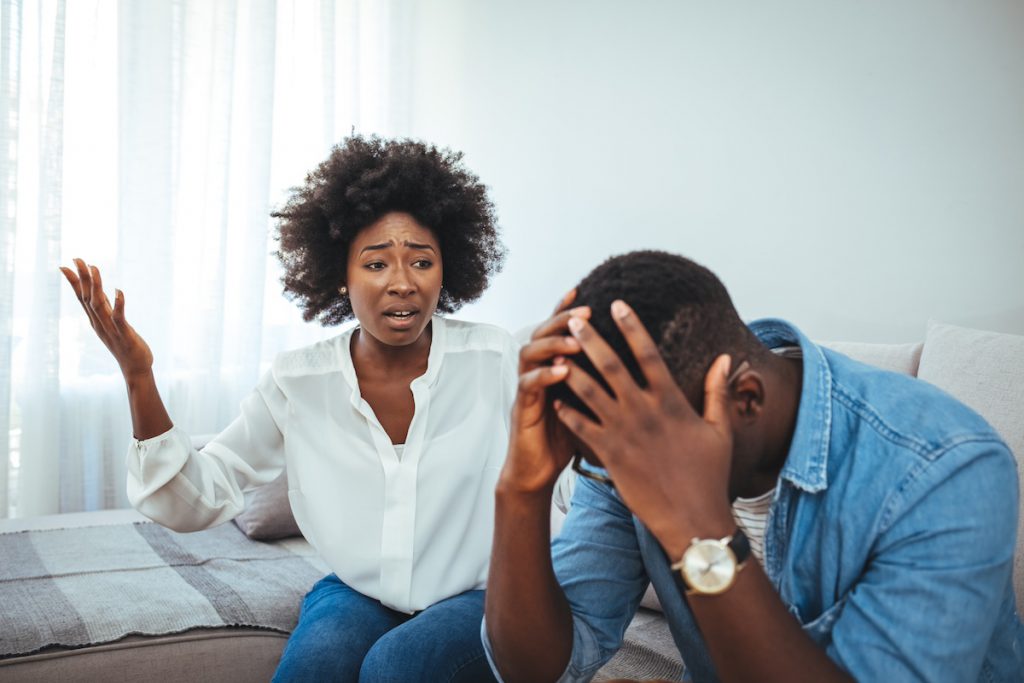
Image: Shutterstock
Compounding this is society’s shifting definition of gender roles. Concepts like the “boss lady” and the “effeminate man” have, in many ways, complicated relationship dynamics. As many Black women embrace independence, career success, and self-sufficiency at unprecedented levels, a ripple effect emerges, sometimes resulting in strained relationships or prolonged singlehood. The tendency to “date upward” can create mismatched expectations, especially when the pool of equally or more successful partners is limited or heavily competed for by other ladies, regardless of status.
Black men, on the other hand, are navigating evolving expectations around emotional openness, financial responsibility, and identity. Messaging that encourages men to be more emotionally available often clashes with narratives that criticize traditional masculinity. Terms like “toxic masculinity” are frequently criticized, sometimes without nuance, creating confusion around what healthy masculinity should look like. As a result, traditional relationship dynamics are increasingly challenged, leading to tension as couples try to reconcile conflicting societal messages.
Additionally, the rise of dating apps, social media and the digital world has amplified the illusion of endless options. There is always someone new, someone seemingly better, just a swipe away. This creates a mindset where working through challenges feels unnecessary and boring.
Why endure discomfort when you can simply swipe left and start all over?
People are now dating with entirely different rulebooks, shaped by personal beliefs, social media narratives, and individual experiences. When expectations are not clearly communicated, disappointment becomes almost inevitable.
Where Do We Go from Here?
The uncomfortable truth Black couples must face in 2026 and beyond is this: love has always required effort. Not struggle or suffering, but consistent, intentional effort. It requires communication, daily investment in trust, and sometimes the sacrifice of personal desires for the good of the relationship. As Dr. Alduan Tartt, Minister, and licensed clinical psychologist, noted in his article titled The State Of Dating Black Men In 2026, he states that “trust is built not in grand gestures but in daily consistency.”
Not every disagreement is a red flag, not every inconvenience signals incompatibility, and not every challenge means the relationship is wrong.
When a Black man and woman come together, they bring different backgrounds, upbringings, values, and perspectives. Clashes are inevitable. The real work lies not just in navigating those differences but in intentionally building a new shared reality, one where both individuals align their values, dreams, and expectations.
That is the part of love that is sustainable, where no trend, and “soft life” philosophy can replace.

Okechukwu Nzeribe works with the Onitsha Chamber of Commerce, in Anambra State, Nigeria, and loves unveiling the richness of African cultures. okechukwu.onicima@gmail.com