
Source: FroggyTalk
Travel to Africa has gone beyond standard tourism or fleeting nostalgia. It is now a fast-maturing industry of heritage, investment, and cultural reconnection, fundamentally reshaping global travel patterns. Right now, Africa is emerging as the world’s fastest-growing travel destination. This growth is driven by heritage-led journeys, new flight routes, conservation luxury, and targeted diaspora outreach.
For years, the African travel narrative in Western media focused almost exclusively on safari itineraries or humanitarian trips. That old model has fractured entirely. According to recent aviation and tourism data, Africa saw an 8% rise in arrivals last year. This cements its status as one of the fastest-growing tourism regions globally.
This is not a temporary spike. It is the result of structural, long-term changes. Industry bodies stress that visa facilitation, expanded air access, and sustainable product development are the top policy levers unlocking this massive growth. Airlines are answering the call with expanded direct routes from North American hubs. Nations across the continent are streamlining entry requirements to remove historical barriers to access, making it easier than ever to cross the Atlantic.
Ghana’s Blueprint
The 2019 Year of Return in Ghana was a watershed emotional event. It drew thousands of Black diaspora members to commemorate 400 years since the first enslaved Africans arrived in Jamestown, Virginia. Emotion alone does not sustain an industry over the long term. A different strategy was needed to keep people coming back.
Today, under the Beyond the Return initiative, Ghana intentionally links heritage, tourism, and domestic economic policy. The goal is to make the country a permanent hub for diaspora reconnection and tourism investment. The recent launch of Ghana Heritage Month explicitly tied cultural memory to economic futures, moving away from simple party tourism to something much more substantial.
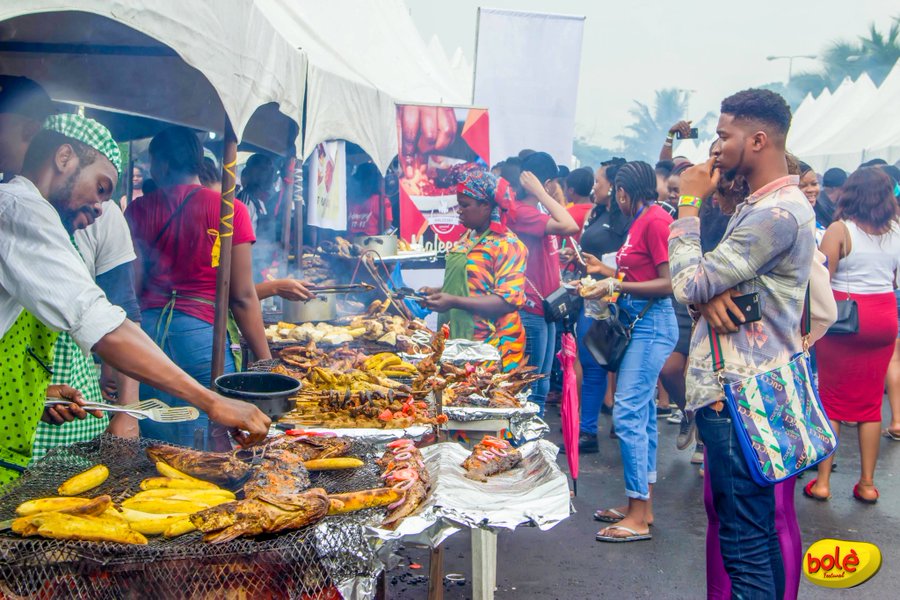
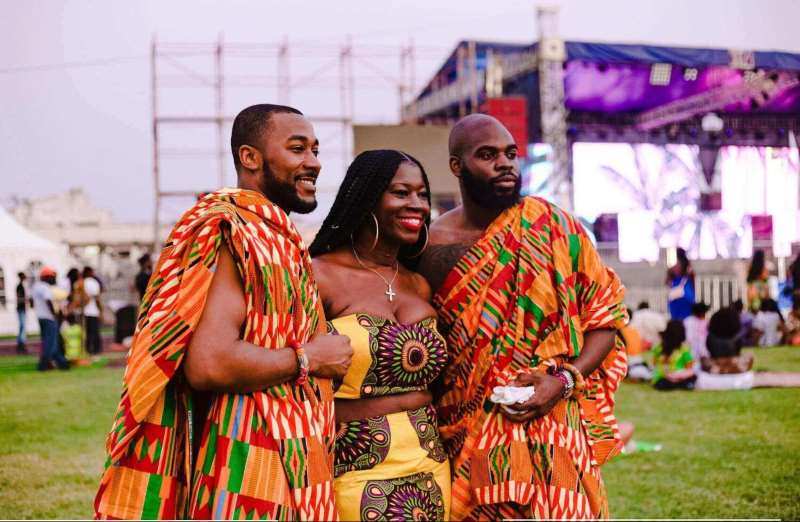
This pivot is evident in the types of visitors arriving at Kotoka International Airport. They are coming for December music festivals and are also staying longer, attending investment summits, touring real estate developments, and seeking dual-citizenship pathways.
There is also a hard economic reality driving this trend. Diaspora travelers are looking for places to plant roots, literally and financially. Real estate developers in Accra and Lagos are actively marketing gated communities and luxury apartments directly to African Americans and Black Britons. The pitch is compelling. Buy a second home in a place where you are in the racial majority, where the cost of living allows for a higher quality of life, and where your investment helps build local infrastructure.
However, navigating the property market requires extreme diligence. Land ownership laws in many African countries are complex and deeply tied to customary or tribal rights. Foreign buyers must work strictly with vetted, locally licensed real estate attorneys.

Kgomotso Ramothea, first African female CEO, ATTA
On the other hand, the traveler demographic is also evolving rapidly. Naturally, the products being offered are changing alongside them. The African Travel and Tourism Association identified cultural and heritage-led travel, slower multi-country itineraries, and conservation-led luxury as the major drivers shaping the visitor economy right now.
Travelers increasingly reject the frantic checklist-style safari. They favor deeply contextualized travel instead. They want to understand the land’s pre-colonial history. They want to engage with community-led conservation efforts and spend their dollars at lodges that have a demonstrable economic impact on local populations.
“The growing demand for deeper connection, learning and reflection, particularly among mature, high-value travelers and diaspora markets, goes hand in hand with demand for expert-led journeys, cultural storytelling and heritage-rich itineraries.” Says Kgomotso Ramothea, CEO of the African Travel and Tourism Association
This maturation is visible far beyond the continent itself. At major global trade shows this year, including ITB Berlin, the continent’s presence has been dominant. Crucially, these events center responsible tourism and investment on their primary agendas and signal a definitive shift from mere marketing spectacles to serious policy and product development discussions.
Who Benefits? The Tension of the Boom
Yet, reporting on this boom without acknowledging its friction would be highly incomplete. As diaspora travelers arrive with foreign currency, local economies experience severe growing pains.
In coastal cities, the influx of long-term visitors and digital nomads has sparked intense debates about gentrification. Tourism creates jobs and boosts hotel occupancy, but the trickle-down effect to street-level artisans and local food vendors is not always guaranteed. Real estate prices in popular neighborhoods have surged. This frequently prices out local residents who have lived in these communities for generations.
There is also a delicate line between celebrating culture and commodifying it for Western consumption. Activists and local thought leaders caution against turning historical trauma into a theme park experience. This concern is particularly sharp regarding tours of former slave forts along the Cape Coast. The challenge moving forward is ensuring that the economic windfall of heritage travel does not displace the very people whose heritage is being celebrated. It requires an ongoing, honest dialogue between governments, foreign investors, diaspora returnees, and local communities.
Source: True Culture Travel
Flights, Visas, and Safety
For African Americans planning this journey, the logistics have never been more accessible, though they still require careful planning and research.
Direct flights from the United States have improved drastically over the last few years. Travelers can find direct flights on major carriers from hubs like New York, Washington, D.C., and Atlanta to Accra, Dakar, Johannesburg, and Cape Town. Visas are also becoming less of a hurdle. Many African nations have introduced e-visas or visa-on-arrival programs specifically for US passport holders. Travelers should always check the official immigration portal for the specific country or their airline’s advisory page at least 2 months before departure to confirm current requirements.
Safety is a common concern for first-time visitors, but the reality on the ground often contradicts the sensationalized narratives found in Western media. Major African cities are generally very welcoming to tourists. Travelers should exercise standard urban street smarts just as they would in Chicago or London. Use reputable ride-hailing apps where available, rely on official tour guides for out-of-town excursions, and consult local advice on neighborhood safety after dark.

Anand Subramanian is a freelance photographer and content writer based out of Tamil Nadu, India. Having a background in Engineering always made him curious about life on the other side of the spectrum. He leapt forward towards the Photography life and never looked back. Specializing in Documentary and Portrait photography gave him an up-close and personal view into the complexities of human beings and those experiences helped him branch out from visual to words. Today he is mentoring passionate photographers and writing about the different dimensions of the art world.