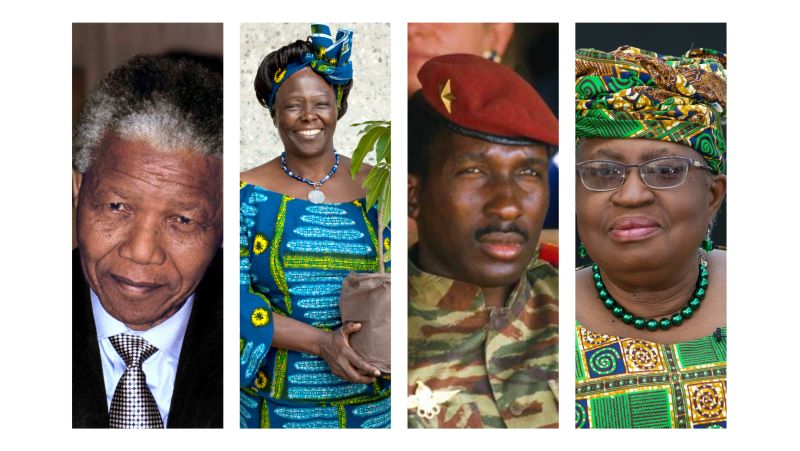
Collage of African leaders, credit below with exception of Nelson Mandela image ©copyright John Mathew Smith 2001, via Wikimedia Commons
Amid global economic volatility, leaders are being reminded to keep their nerves steady. For African Americans navigating an uncertain corporate landscape in the U.S., and for Africans building businesses at home, the gap between historical wisdom and modern survival has closed.
2026 is a year of “poly-crisis,” climate instability, economic fragmentation, political polarization, and weakened institutions. Old leadership playbooks are failing. However, Africa has always produced leaders who knew how to govern, organize, and endure in the face of chaos. Between the moral discipline of Nelson Mandela and the ecological vision of Wangari Maathai, African leadership philosophy is not nostalgia. It is a survival toolkit.
Below are five leadership lessons drawn from African and African-descended thinkers, translated into practical strategies for work, business, and community in 2026.
Lesson 1: The Long View and Tactical Resilience
The Leader: Nelson Mandela (South Africa)
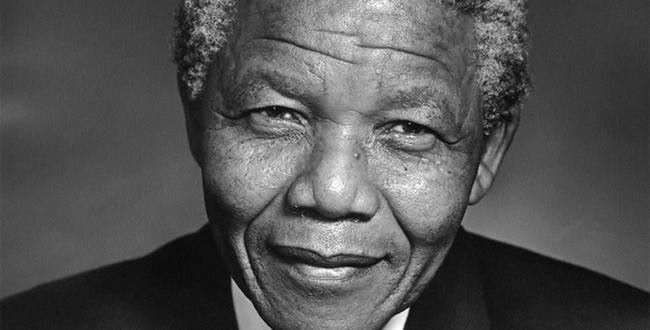
Source: Nelson Mandela, a giant of our time | The UNESCO Courier
Nelson Mandela is often remembered for forgiveness, but his greatest strength was strategic patience. He understood that progress is rarely linear. The “long walk” involved pauses, recalibration, and emotional discipline under pressure.
While imprisoned, he studied the language, culture, and psychology of his oppressors, turning confinement into preparation. He mastered his emotions to influence outcomes, a critical leadership skill.
What This Means in 2026
Resilience today is not endurance for its own sake. It is the ability to regulate emotion, retain vision, and adapt without losing purpose. Therefore, you should learn to treat setbacks as strategy labs. Failed funding rounds or stalled promotions can become moments to sharpen skills and rethink approach. Build unlikely alliances. In polarized industries, the ability to collaborate across differences is power.
“It always seems impossible until it is done.” — Nelson Mandela.
Lesson 2: Stewardship and Ecological Justice
Leader: Wangari Maathai (Kenya)
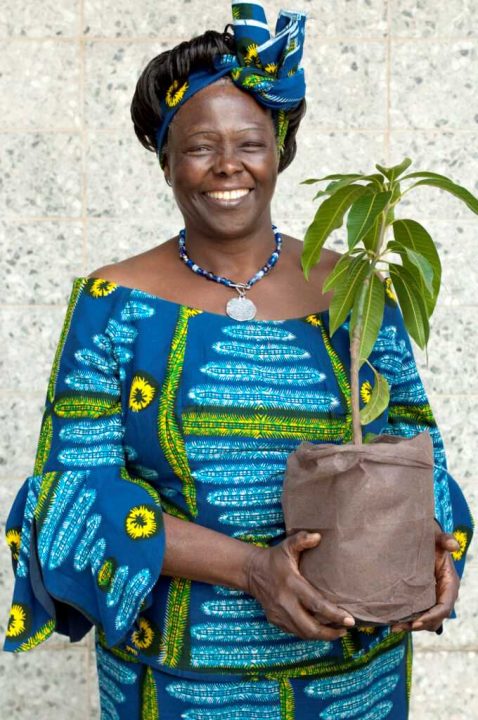
Source: Wangari Maathai – Green Belt Movement
Wangari Maathai showed the world that environmental protection, democracy, and economic survival are inseparable. Through the Green Belt Movement, she empowered women by addressing everyday needs: firewood, water, and land, while restoring ecosystems. Her leadership was rooted in stewardship. No economy thrives in a broken environment.
What This Means in 2026
Climate resilience is no longer optional. Recurring flooding and heat stress have made environmental justice a leadership issue. Tie ecology to income; community gardens, recycling initiatives, and green startups can create local economic loops. Focus locally. Ignore paralysis caused by global-scale problems and act where you live, one block, one neighborhood at a time.
“You cannot protect the environment unless you empower people.” — Wangari Maathai.
Lesson 3: Radical Integrity and Frugality
Leader: Thomas Sankara (Burkina Faso)
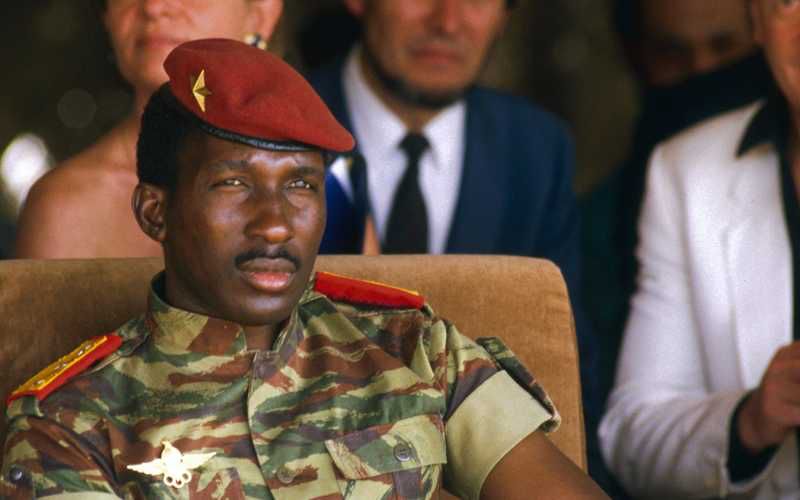
Source: Thomas Sankara: A United Front Against Debt | Progressive International
Thomas Sankara believed leadership required moral clarity and material discipline. He reduced his own salary, sold luxury government cars, rejected aid that created dependency, and promoted local production. His warning was simple: dependence weakens sovereignty.
Sankara’s rule ended abruptly in 1987, reminding us that integrity must be balanced with coalition-building and political strategy.
What This Means in 2026
In an age of inflated valuations and performative success, frugality signals credibility. Authenticity is a competitive advantage. Practice disciplined growth, keep spending lean, systems transparent, and goals realistic. Audit your supply chain, support Black-owned, local, and African businesses where possible.
“You cannot carry out fundamental change without a certain amount of nonconformity.” — Thomas Sankara.
Lesson 4: Systems Thinking and Pragmatic Diplomacy
Leader: Dr. Ngozi Okonjo-Iweala (Nigeria / Global)
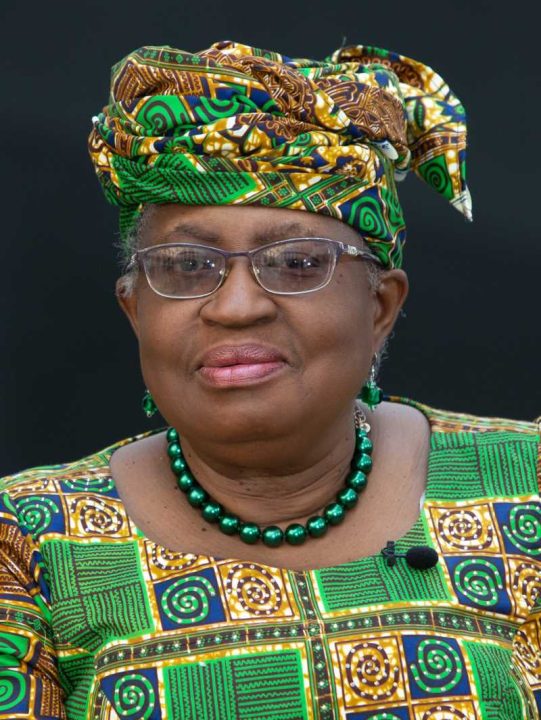
Source: Ngozi Okonjo-Iweala – Wikipedia
As Director-General of the World Trade Organization, Dr. Ngozi Okonjo-Iweala represents modern African leadership and technocratic excellence paired with global fluency. Her leadership demonstrates that power today comes from understanding systems, negotiating interests, and translating across worlds.
What This Means in 2026
Those who understand policy, regulation, and global economics shape outcomes, even without loud authority. Become the translator. In divided workplaces or industries, the person who understands multiple perspectives becomes indispensable. Learn the rules. Read trade policies, industry regulations, and governance frameworks that affect your field.
Lesson 5: Narrative and Reinvention
The Concept: Reclaiming the Story
Power belongs to those who control the narrative. Leaders like Mandela and Sankara understood that legacy is shaped by storytelling. Today, filmmakers, writers, and creatives are reclaiming African and Black narratives on a global scale. If you do not define your story, others will.
Curate your digital identity. In the AI era, your online footprint is your reputation. Lead with purpose. When pitching yourself, tell the story behind your work, your resilience, values, and agency, not just your résumé.
Seven Days to Stronger Leadership
Monday: Write one challenge that feels impossible and why it matters.
Tuesday: Cut one financial or professional dependency.
Wednesday: Read a policy or regulation affecting your industry.
Thursday: Plant something or support a local green initiative.
Friday: Rewrite your LinkedIn bio to reflect purpose, not just titles.
Saturday: Meet someone you disagree with, strategically.
Sunday: Rest. Even Mandela did.

Anand Subramanian is a freelance photographer and content writer based out of Tamil Nadu, India. Having a background in Engineering always made him curious about life on the other side of the spectrum. He leapt forward towards the Photography life and never looked back. Specializing in Documentary and Portrait photography gave him an up-close and personal view into the complexities of human beings and those experiences helped him branch out from visual to words. Today he is mentoring passionate photographers and writing about the different dimensions of the art world.