
How Black creators are redefining representation and reimagining the media landscape.
As a media student and aspiring professional in this industry, I have intentionally involved myself in examining issues within media that affect us, because representation in the Black community is defining and essential. For decades, Black characters in mainstream media were reduced to stereotypes: the comic relief, the struggling single parent, or the sidekick. Rarely were we shown fully…messy, joyful, ambitious, complex. Today, Black filmmakers are challenging those boundaries and building entirely new worlds where Black people are central, celebrated, and multifaceted.
However, while we enjoy these films and shows, it is essential to acknowledge that narratives can still be harmful. Some projects, even with good intentions, fall back on tropes of trauma or one-dimensional portrayals. Black audiences deserve representation that’s just as diverse and layered as the communities we come from. That is why this current wave of storytelling feels so refreshing. It goes beyond survival and pain, leaning into joy, humor, creativity, and even worlds we have not seen yet.
The history makes this shift even more meaningful. During the Blaxploitation era of the 1970s, Black characters finally took center stage, but often through a lens that emphasized crime, drugs, and stereotypes. While these films gave visibility, they also reinforced limiting narratives about Black life. That tension between representation and misrepresentation has always shaped how we see ourselves on screen. Today’s creators are reclaiming that agency, building stories that allow us to exist fully, outside the bounds of harmful tropes.
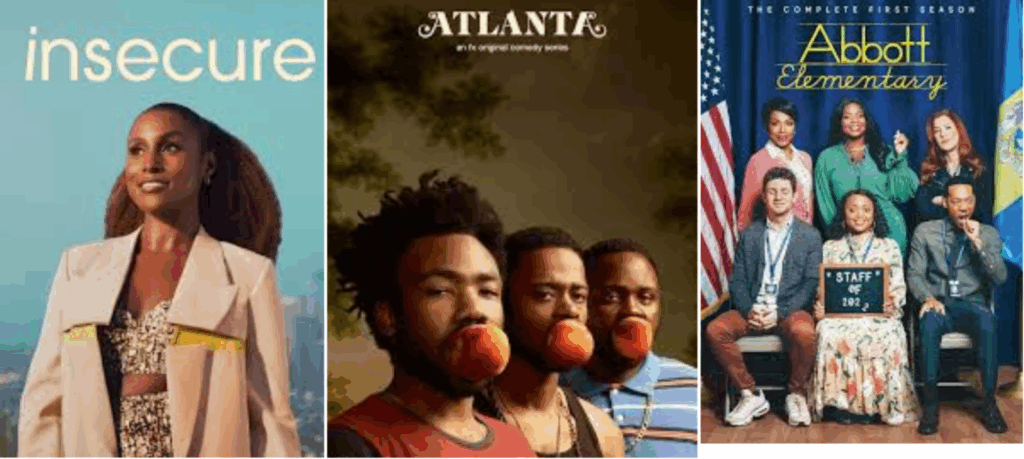
Issa Rae is a prime example. She went from her YouTube web series Awkward Black Girl to HBO’s Insecure, proving that Black stories can be messy, funny, and deeply human. Donald Glover’s Atlanta blends comedy, surrealism, and social critique to reflect the layered realities of Black life. Ava DuVernay’s When They See Us humanizes systemic injustice, while Queen Sugar celebrates family, community, and resilience. Quinta Brunson’s Abbott Elementary highlights the joy, dedication, and humor of Black educators, showing that representation can celebrate everyday brilliance, not just trauma.
Some creators are imagining different worlds entirely. Afrofuturism and genre reinvention give Black audiences universes where Black people are heroes, leaders, and innovators, untethered from stereotypes. Films like Black Panther show audiences what’s possible when Black creators tell Black stories with full control over their vision.
The financial impact proves it matters. The 2022 UCLA Hollywood Diversity Report found that films with 41–50% minority casts achieved the highest median global box office receipts. Jordan Peele’s Get Out, Us, and Nope redefine horror while dominating culturally and commercially. Peele said it best: “I want to see Black people in roles we haven’t seen before.”
Ownership and creative freedom are central to this shift. Platforms like TikTok, YouTube, and streaming services allow creators to bypass traditional gatekeepers, reach audiences directly, and profit from their work. Issa Rae captured this reality when she said, “For so long, it was like, you don’t see yourself onscreen. Or if you do, you see a version of yourself that you don’t recognize” (Variety, 2021). Black filmmakers, writers, and digital creators are now crafting narratives where audiences can finally see themselves fully, both in reality and in imagined worlds.
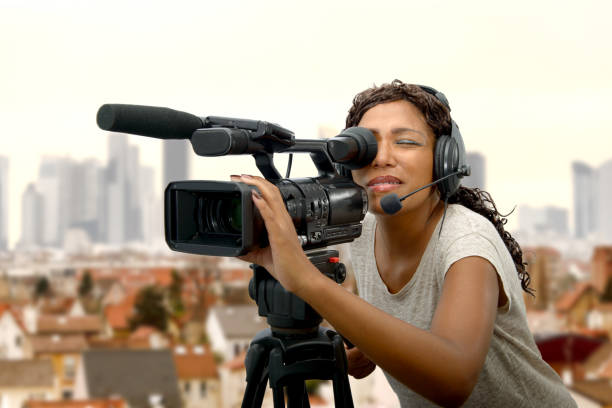
Image: iStock
Black filmmakers are defining the future of storytelling, creating worlds and characters that reflect the richness of Black experience. By claiming ownership of their narratives, they are changing who controls the media, who profits from it, and whose stories get told. Black culture has always led. Now, Black creators are leading; they are architects of new universes, showing what is possible when imagination, culture, and ownership collide.
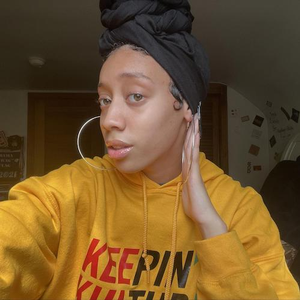
Kyrah Page is currently a student at Lincoln University. She is also the CEO and founder of her own brand called “Keepin’ It Kultured.” Where she combines art with activism to empower, inspire and educate the Black community. She advocates for change, promotes black positivity, and addresses controversial issues. Kyrah is many things but most importantly she is an activist.