

Photo: La Biennale Di Venicia
The Venice International Film Festival is, without a doubt, one of the world’s most prestigious cinema celebrations. Every year, filmmakers and movie lovers from around the globe gather in Venice to witness the very best in filmmaking. But this year’s edition, the 82nd in its history, is particularly special for Africans and those across the African diaspora. This year five African films will be premiering at the festival, a milestone that not only spotlights the continent’s vibrant storytelling but also signals a major leap for African voices on the international stage.
A Breakthrough Year for African Cinema
For Africans at home and abroad, whether you’re a filmmaker, a student of cinema, or simply someone who loves powerful stories, this year’s festival is a reason to celebrate. The presence is about recognition. It’s evidence that African stories, talent, and perspectives are being embraced as essential contributions to world cinema.
The films selected come from different corners of Africa: Tunisia, Libya, Morocco, Nigeria, and Algeria. Each project represents diverse cultures and personal histories, yet together they show the rich tapestry of the African experience. Let’s dive into each film and see why these premieres matter.
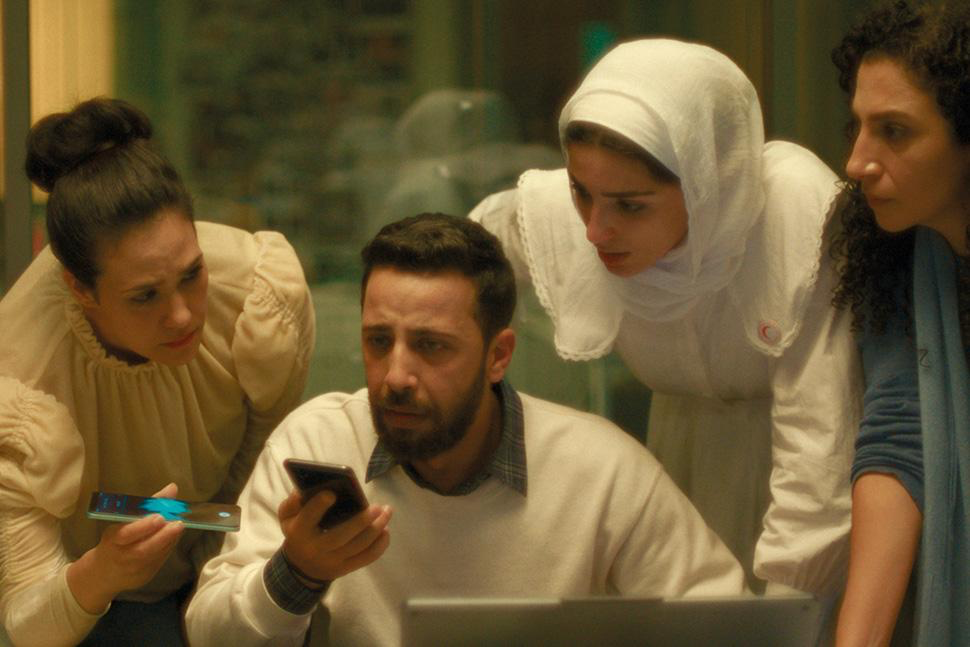
1. “The Voice of Hind Rajab” – Kaouther Ben Hania (Tunisia)
Main Competition
Known for her Academy Award-nominated film The Man Who Sold His Skin, Tunisian director Kaouther Ben Hania returns with a deeply moving new project. The Voice of Hind Rajab is inspired by the true story of Hind Rajab, a six-year-old Palestinian girl killed in Gaza in early 2024. The film focuses on the final, desperate call Hind made to Red Cross volunteers as her family’s car came under fire. Through this harrowing story, Ben Hania invites audiences to reflect not only on the suffering of children in conflict but also on the world’s ability, or inability, to respond.
2. “My Father and Qaddafi” – Jihan K. (Libya)
Out of Competition (Non-Fiction)
Jihan K. brings us a personal and deeply introspective film about memory, family, and politics. With My Father and Qaddafi, she traces her effort to piece together the life of the father, Mansur Rashid Kikhia, who was the Foreign Minister of Libya, ambassador to the United Nations, and a human rights lawyer, she hardly knew, set against the turbulent backdrop of Libya’s history under Muammar Qaddafi. Through family stories, old footage, and personal reflection, the documentary paints an intimate portrait of one family while shining a light on the complexities of Libya’s past.
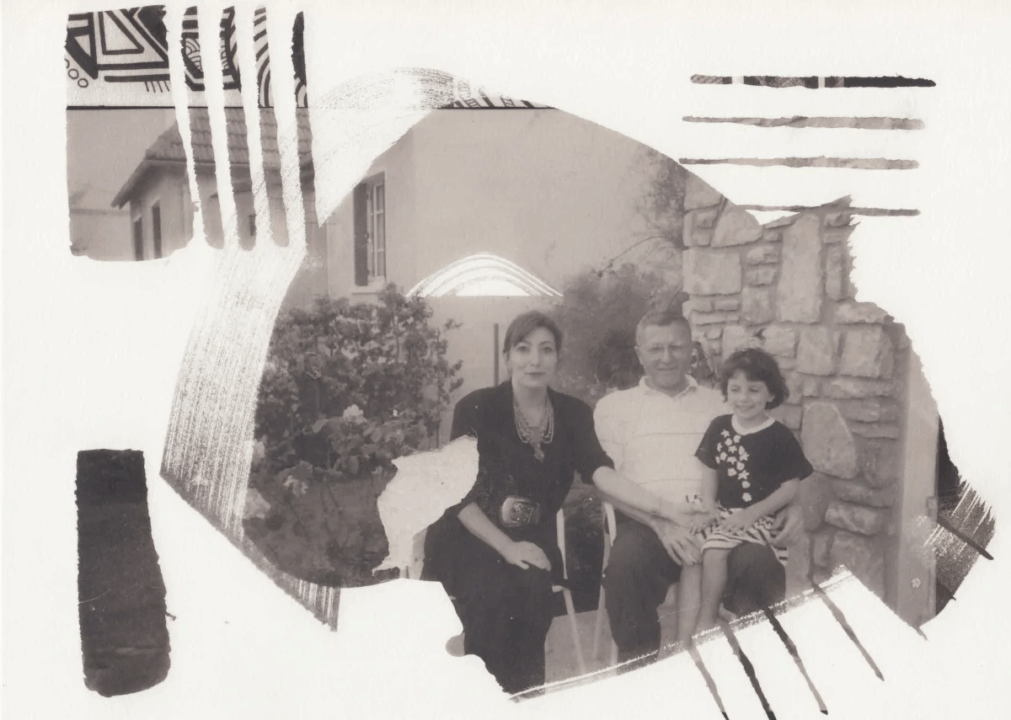
Source: https://www.documentary.org/project/father-qaddafi
For many Africans, especially those from North Africa, it’s rare to see their histories told so honestly and thoughtfully on a global stage. This film offers that rare window, and in doing so, it gives space for healing and understanding.
3. “Calle Malaga” – Maryam Touzani (Morocco)
Venice Spotlight
Maryam Touzani is no stranger to Venice, having previously wowed audiences with films like Adam and The Blue Caftan. This year, she broke new ground by directing her first Spanish-language movie, Calle Malaga. The story revolves around María Ángeles, a woman fighting to keep her childhood home in Morocco as her daughter plans to sell it. It’s a story about loss, change, and the ties that bind us to our roots.
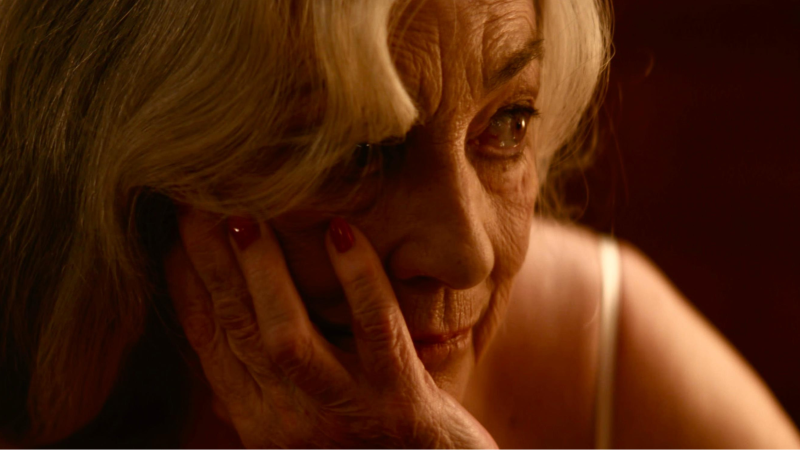
Source: IMDB
Anyone from the diaspora, or any family wrestling with questions of heritage and identity, will find something powerful in this film. Touzani’s signature warmth and humanity shine through, making Calle Malaga a heartfelt tale of generational change.
4. “Saint Simeon” – Olubunmi Ogunsola (Nigeria)
Orizzonti Short Films International Competition
Nollywood, Nigeria’s booming film industry, continues to gain international recognition. This year, Olubunmi Ogunsola brings Saint Simeon to Venice, starring none other than Nollywood legend Kanayo O. Kanayo. The film, competing in the Orizzonti Shorts section, looks at the clash between tradition and modernity, and how younger generations navigate a changing world. For anyone who has watched Nollywood’s spectacular growth, seeing Saint Simeon honored at a festival as big as Venice is a proud moment. It serves as a reminder that African cinema, in all its forms, belongs on the world’s biggest stages.

Source: LinkedIn
5. “Boomerang Atomic” – Rachid Bouchareb (Algeria)
Out of Competition (Short Films)
Rachid Bouchareb, one of Algeria’s most acclaimed filmmakers and a frequent award-winner at Cannes, returns with Boomerang Atomic. Through evocative imagery and powerful storytelling, Bouchareb asks tough questions about memory, justice, and the path forward. For anyone grappling with the wounds of colonial history, the film offers a space for reflection and, perhaps, for hope.
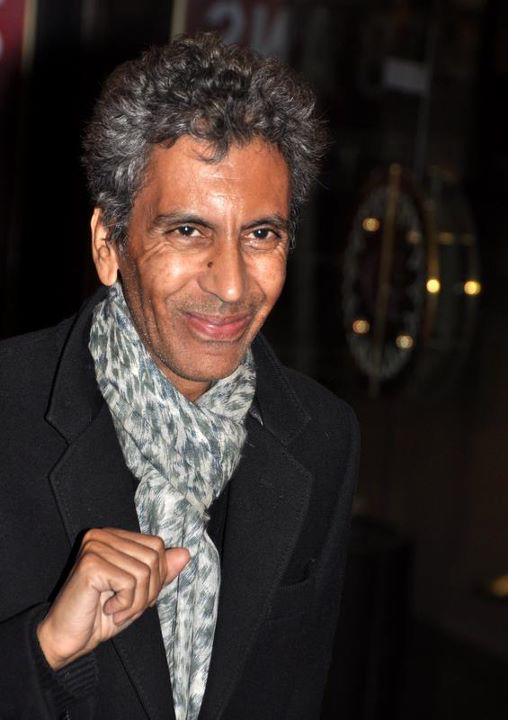
Source: Wikipedia
Why This Year’s Festival Is So Important
There’s something special about this moment for African cinema. Here’s why:
- Visibility: For too long, African stories were seen as “niche.” Now, they’re front and center, competing alongside the best in the world.
- Diversity: The films selected cover everything from hard-hitting drama to heartfelt family stories and thought-provoking documentaries. They show how multifaceted African life and creativity truly are.
- Connection: With so many Africans and African Americans living outside the continent, these films create bonds, reminding us of where we come from and what we share.
Supporting African Filmmakers
Venice isn’t just about the films that make it to the big screen. The Final Cut in Venice program continues to champion works-in-progress from African directors. This year, projects from Senegal, Morocco, and the wider Maghreb region are being nurtured, giving new voices a chance to finish and present their films to the world.
Programs like this are helping grow Africa’s film industry from the ground up, forging opportunities and networks that will last for years to come.
The success of these films is about seeing ourselves, our cultures, our struggles, and our triumphs, on the world stage. It’s about validation: the knowledge that our stories matter, that they move people, and that they deserve to be heard.
For young Africans dreaming of making a film, there is inspiration here. For members of the diaspora, there is a chance to reconnect with home through stories that feel real and familiar. And for everyone, these films offer a powerful invitation to engage with fresh perspectives and new ideas.
The 82nd Venice International Film Festival could well be remembered as a turning point for African cinema. As more streaming services and international distributors look to Africa for new stories, we’ll likely see even greater things in the years ahead.
But right now, with films from Tunisia, Libya, Morocco, Nigeria, and Algeria lighting up the festival, there’s every reason to celebrate.

Anand Subramanian is a freelance photographer and content writer based out of Tamil Nadu, India. Having a background in Engineering always made him curious about life on the other side of the spectrum. He leapt forward towards the Photography life and never looked back. Specializing in Documentary and Portrait photography gave him an up-close and personal view into the complexities of human beings and those experiences helped him branch out from visual to words. Today he is mentoring passionate photographers and writing about the different dimensions of the art world.


Are roads to the land accessible during the rainy season?