
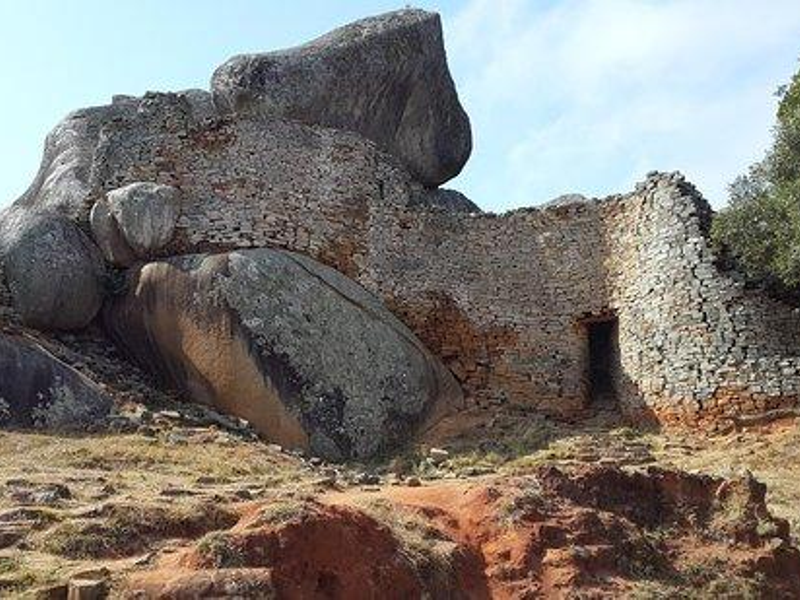
The Great Zimbabwe ruins are an ancient archaeological site located in present-day Zimbabwe. They are considered one of the most significant and impressive stone ruins in Africa, showcasing the architectural and engineering prowess of the ancient civilization that once inhabited the area.
The ruins are believed to have been built between the 11th and 15th centuries by the ancestors of the Shona people. The name “Zimbabwe” is derived from the Shona term “Dzimba dza mabwe,” which means “house of stone” or “stone buildings.” The ruins served as a political, economic, and religious center for the civilization that thrived in the region during that time.
The Great Zimbabwe complex covers a vast area and consists of three main architectural groupings: the Hill Complex, the Valley Complex, and the Great Enclosure. The Hill Complex, situated on a prominent hilltop, is believed to have been the royal residence of the rulers. It contains various stone structures, including walls, passageways, and a granite boulder known as the King’s Seat.
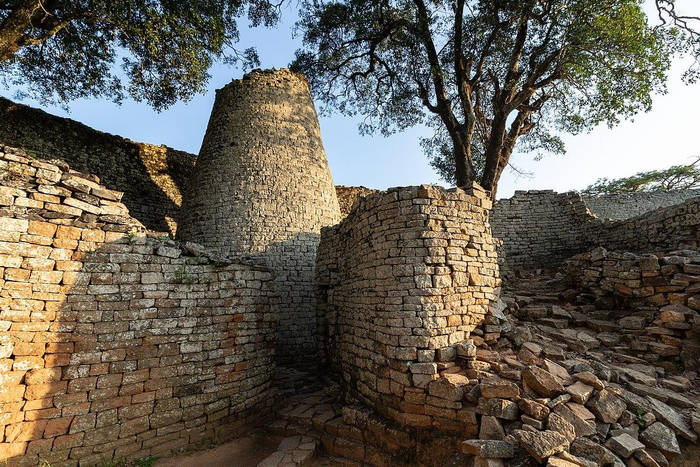
The Valley Complex, located at the foot of the hill, was the administrative and commercial hub of the civilization. It features numerous enclosures and structures, including dwellings, granaries, and a Great Hall. The Great Enclosure is the largest and most impressive structure within the complex. It is a massive stone wall with a conical tower known as the Conical Tower or the Great Zimbabwe Tower.
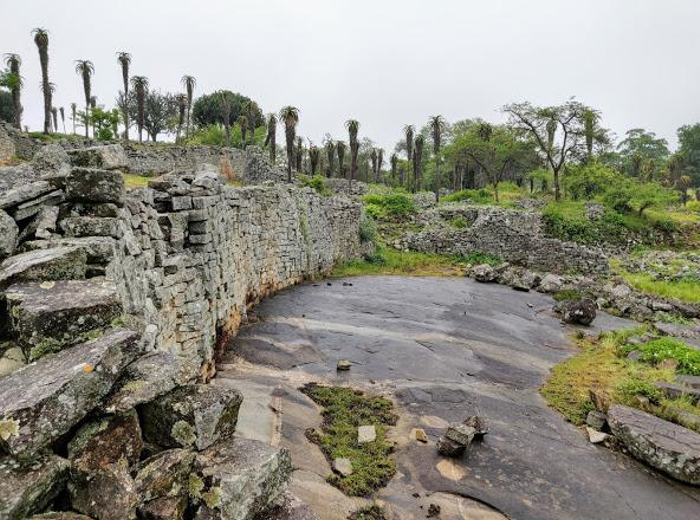
The ruins of Great Zimbabwe offer valuable insights into the architectural and cultural achievements of the ancient civilization. The stone structures were built without mortar, and the precision and craftsmanship of the walls have fascinated historians and archaeologists for centuries. The site also provides evidence of an extensive trading network, as artifacts from various regions, such as China, Persia, and India, have been discovered within the complex.
The Great Zimbabwe ruins have been recognized as a UNESCO World Heritage site since 1986. They are not only an important historical and archaeological site but also a symbol of national pride for the people of Zimbabwe. The ruins attract visitors from around the world who come to marvel at the ancient craftsmanship and learn about the rich history of the region.

Immanuel Burns Johnson is an Operations Manager and digital strategist with a strong foundation in social media management and content development. Born and raised in Lagos, Nigeria, he studied Computer Science at the National Open University of Nigeria, where he developed a strong interest in digital media, communication, and technology. He has built his career by combining creativity, structure, and leadership.
Starting as an assistant social media manager, he rose through the ranks by driving engagement growth, overseeing content execution, managing teams, and improving operational processes. His expertise spans digital marketing, media coordination, web development, and performance
strategy.
Outside the professional space, he enjoys sports, travel, political analysis, and mobile gaming. He is also deeply fascinated by aviation and innovation and is always drawn to ideas that challenge limits and expand horizons.