Source: Wicked: For Good’ Needs To Make a Major Change to the Show’s Storyline — And Here’s Why
When Cynthia Erivo braided Elphaba’s hair, she weaved a long history of Black feeling, survival, and style into a Hollywood fairy tale. On November 21, 2025, Wicked: For Good opened in U.S. theaters, arriving as more than just a box office event. The film hit during awards season chatter and amid heated conversations about who gets to represent Black women on global screens. That context matters because Erivo did not simply accept a high-profile role. She shaped how Elphaba moves, looks, and registers for audiences who have not often seen themselves at the center of big-studio spectacle. For official release and screening windows, see the film’s site at wickedmovie.com.
What Wicked: For Good is and where we are now
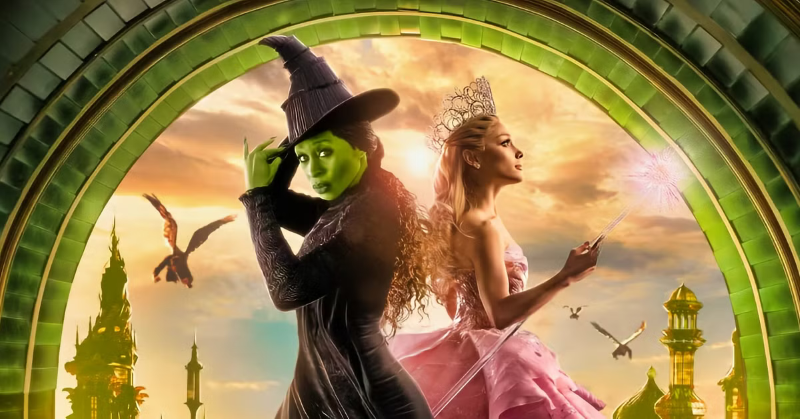
Wicked: For Good is the second half of Jon M. Chu’s two-part screen adaptation of the Broadway juggernaut. The sequel follows Elphaba and Glinda’s fraught friendship and traces the consequences of Elphaba’s rebellion. The film premiered at festivals ahead of its U.S. release on November 21, 2025, and has already generated awards conversation and wide critical attention. That rollout made every design choice and performance feel consequential to critics and fans alike. For production background and comments from the director, read Deadline’s coverage of Chu’s process.
Cynthia Erivo’s Elphaba and the choices that changed the frame
Casting a Black woman as Elphaba matters, but what matters even more are the creative choices the actor insisted on. Erivo did not step into an Elphaba that was ready-made. She asked for micro-braids and for particular styling decisions because she wanted the character to reflect something of the woman underneath the makeup. Those micro-braids keep the hair’s length and movement that theater audiences expect while adding texture and specificity tied to Black hair traditions. News outlets reported on Erivo’s push for the micro-braids and the way she described that choice as a way to connect the character to Black women who rarely see themselves represented in blockbuster fantasy. Erivo’s public comments about styling choices anchor the argument that this casting moved beyond novelty to craft. See People’s reporting on Erivo’s micro-braid decision.
This is an actor exerting authorship. A hairstyle is not decorative in this context. It changes how the camera frames a face, how gestures are read in motion, and how audiences attach meaning to a body. When performers shape that visual language, they alter the frame itself.
Hair, texture, and Black embodiment onscreen
Hair in Black communities is never merely decorative. Salon chairs and braid bars are sites of memory, kinship, gossip, and care. Hairstyling practices tell you where people came from, who they are related to, and what politics they carry. When a major fantasy places textured hair at its visual center, it signals that Black aesthetics are worthy of high-budget attention and careful design, not a last-minute costume note.
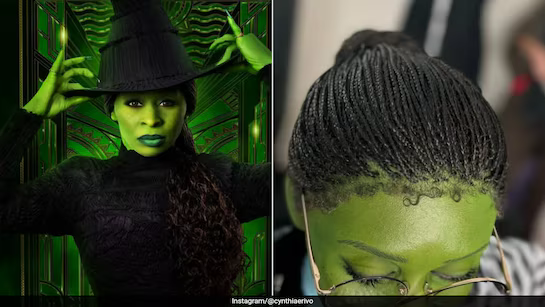
That visual grammar travels. Nollywood films and Afrobeats videos foreground texture and style; seeing similar textures in a Hollywood tentpole gives African audiences a familiar mirror and gives African American audiences affirmation. Erivo has spoken about physically transforming her hair while preparing for the role, including moments when she reshaped and shaved parts of her hair to create a blank canvas that would focus the screen on her expressions and eyes. That willingness to make the body part of the work, not merely the object of a prosthetic, matters.
Representation beyond casting
Having a Black actress on screen is an important step, but representation is more than presence. The screenplay’s choices, the camera’s treatment, and whether the character keeps the story’s moral center determine whether that presence empowers or flattens. Early reviews of Part Two have been clear on that division: many critics praise Erivo’s performance while debating structural choices in the film. The Hollywood Reporter’s review singled out Erivo for the emotional weight she brings to the role, and Variety’s review likewise recognized the performance’s power even when parsing the film’s broader shape. Those early responses make the point that presence becomes durable only when backed by story, direction, and craft.
When an actor who comes from the theater exerts creative influence on styling and movement, the character’s interior life is better protected from being turned into a symbol or a marketing talking point. That protection gives audiences a full person to follow rather than a headline.
Queerness, sisterhood, and political readings
Elphaba has long been an icon for queer and feminist readings: an outsider whose refusal to conform reads as a kind of social queerness and radical womanhood. Erivo’s performance widens those readings. She brings gestures, vocal choices, and a physical poise that allow viewers to map queer kinship, sibling bonds, and feminist solidarity onto Elphaba without the film needing to literalize every angle. Billboard’s profile of Erivo explores how her conversations about identity inform her craft and why those public statements matter when audiences interpret a major role. Erivo’s openness about identity gives viewers, particularly Black queer viewers, more pathways to recognition.
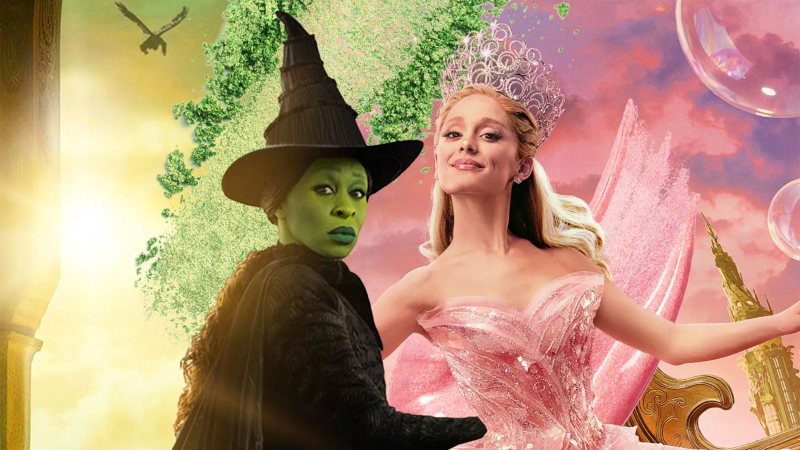
That interpretive openness is not a marketing trick. It is a cultural offering. For viewers whose identities have been erased in mainstream narratives, the film’s refusal to over-explain gives space to see themselves in private and public ways.
The look that resists
There remains a long history in mainstream media of asking Black women to soften and accommodate so they become legible or palatable to broader audiences. Respectability politics have required code-switches, modest tones, and tamed aesthetics. Erivo refuses that easing. Her Elphaba can be glamorous, fierce, and vulnerable all at once. Her look resists the demand to minimize and instead models a confidence that is not apologetic.
That pushback is political. It insists that Black women do not have to dress or behave in ways that shrink them for the comfort of others. When a major film allows that refusal to exist at scale, it expands what viewers expect from Black female characters.
What this could mean for the industry
Production choices ripple outward. When a production treats braid specialists, textured-hair stylists, and Black wardrobe artisans as central rather than incidental, it creates paid work and career pathways. Deadline’s coverage of Jon M. Chu’s production notes explains how reshoots and redesigns were used to refine performances and looks, and that attention to craft matters to the final image. When studios see that films that center Black aesthetics can garner critical praise and box-office returns, they are more likely to invest in writers, designers, and directors who come from those communities. Over time, consistent crediting, hiring, and budget allocation can shift who holds creative power in mainstream filmmaking. That is the kind of structural change that makes representation more than a single headline.
Source: Wicked: For Good | Official Trailer
Critics, awards, and cultural prestige
The awards talk is about signals that determine who gets future budgets and whose careers accelerate. Early critical roundups called attention to strong performances while debating the film’s story choices. Rotten Tomatoes’ initial roundup captures those first reactions, and both Variety and The Hollywood Reporter have named Erivo as one of the film’s vital strengths. When institutions of prestige notice and reward theater-trained Black actors in musicals at scale, a new logic of marketability can emerge. That logic can make studios more willing to fund projects that are rooted in cultural specificity and theatrical craft.
What can audiences do now?
This moment is both emotional and practical. Emotionally, it offers recognition and pride for viewers who do not often see Black women imagined in epic fantasy. Practically, audiences can help turn a single casting choice into sustained change. See the film in cinemas if you can. Share the names of braid specialists, hair stylists, and costume artisans who helped create the look and follow them on social media. Support local Black designers and stylists and push local festivals and critics to credit the craftspeople behind the images. Demand transparency in credits and celebrate productions that treat those teams as essential.
Cynthia Erivo did not simply bring a Black body into Oz. She braided a history into its hair, and in doing so, she asked viewers to look, really look, at who gets to be complicated, beautiful, and defiant on screen. What did you see when Cynthia Erivo flew? Share your first memory of Elphaba on stage, in local productions, or now on the big screen. Tell us which detail, a braid, a gesture, a single lyric, stayed with you.

Anand Subramanian is a freelance photographer and content writer based out of Tamil Nadu, India. Having a background in Engineering always made him curious about life on the other side of the spectrum. He leapt forward towards the Photography life and never looked back. Specializing in Documentary and Portrait photography gave him an up-close and personal view into the complexities of human beings and those experiences helped him branch out from visual to words. Today he is mentoring passionate photographers and writing about the different dimensions of the art world.