Source: idmsa.org
The first thing most travelers notice when they land in a Muslim‑majority African country during Ramadan is not the heat or the food. It is the slow, quiet mornings and the cultural shift that take place during this important time.
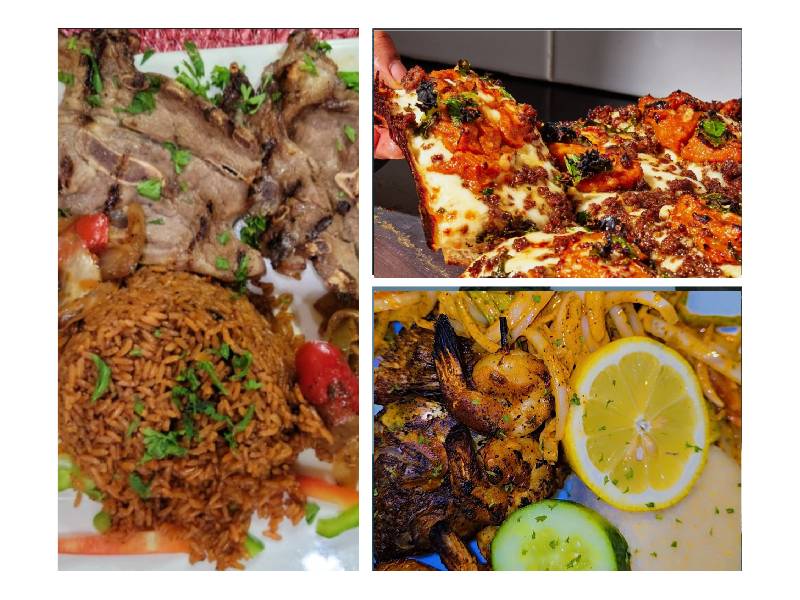
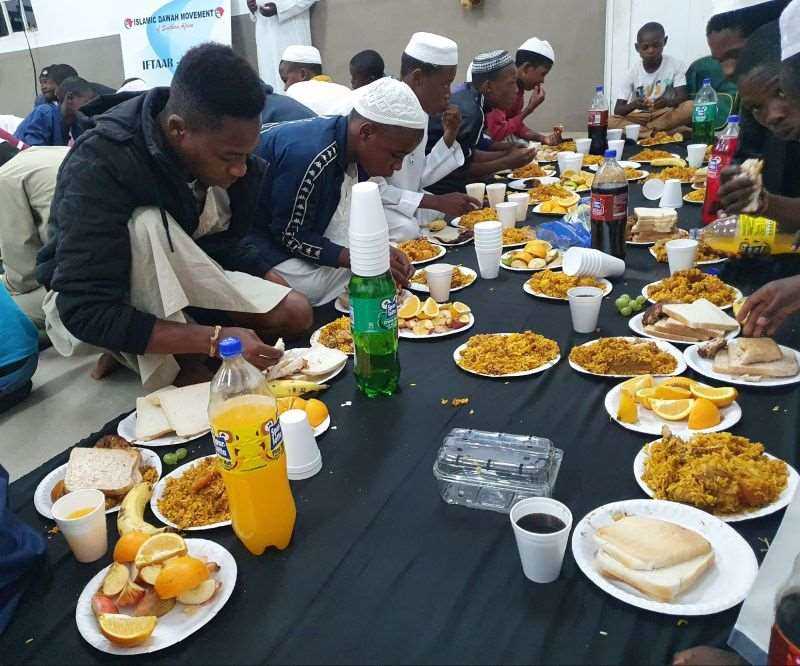
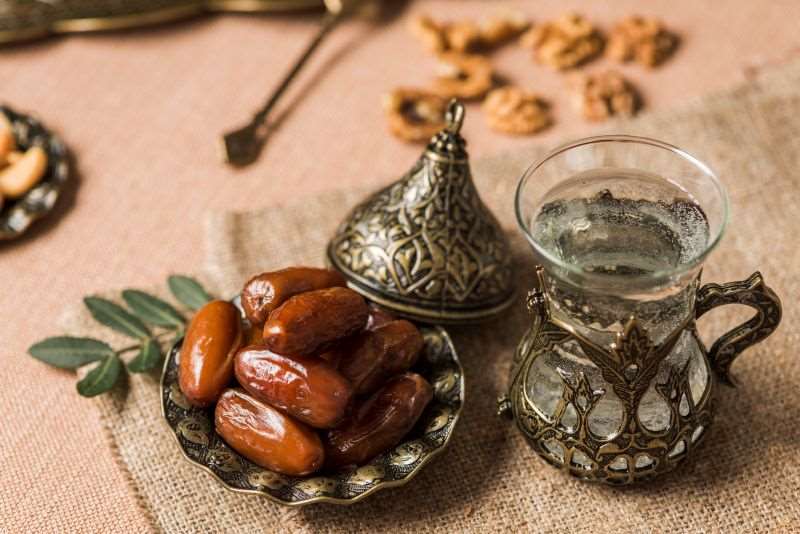
For centuries, Muslims have observed a fast from sunrise to sunset during the holy month of Ramadan, no food, no drink (not even water), no smoking, and no chewing gum. Each day begins with Suhoor, a meal eaten before the pre-dawn prayer. Each evening ends with Iftar, the breaking of the fast, traditionally begun with dates and water, then followed by a meal. That is one of the most communal, joyful, and generous experiences in the Muslim world. Anyone, a stranger, neighbour, or foreign visitor can be invited to an Iftar table.
Ramadan is widely observed across the continent, especially in these countries: Egypt, Senegal, Nigeria (particularly in the north), Morocco, Sudan, Somalia, Tanzania, The Gambia, Algeria, Tunisia, Libya, Uganda, Comoros, and others. No two African countries observe Ramadan in exactly the same way. Each country has its own unique customs and traditions.
Siham Lahmine, owner and cultural curator at Morocco Travel Organizer, highlighted the unique beauty of experiencing Ramadan. She noted that it is a month of culture, connection, and celebration.
In her words: “Some of the most meaningful experiences a traveler can have include sharing Iftar (the breaking of the fast) with a local family, or witnessing the special festivities of the 27th day of Ramadan, most notably in Fes, where families dress their children in traditional Djellabas for boys, Kaftans and Henna for girls, accompanying them outside like little brides and grooms to mark the occasion. It is a deeply joyful celebration that encourages children to fast and honors the spirit of the month. The souks transform as well, with stalls selling Ramadan foods and ingredients as locals actively purchase to decorate their table with various delicacies each evening,” she explains.
For many non-Muslim Black travelers, especially those from the diaspora, visiting these countries during the holy month of Ramadan can be an enriching and interesting experience. But it also comes with questions: What should I do? What should I avoid? How do I show respect? Understanding the DOs and DON’Ts to avoid making unintentional mistakes is key to enjoying your trip.
While visitors are not expected to fast, public etiquette is essential. Here are the answers to some of the questions that may be on your mind.
Can I eat and drink in public during the day in Ramadan?
Rules around eating and drinking in public as a visiting non-Muslim vary from country to country. In some countries, it is against the law to do so. In places like Sharm el-Sheikh in Egypt that are used to hosting non-Muslim tourists throughout the year, you can eat in public. However, while some countries allow it, it would be rude to eat or drink on the street or in front of your fasting guide during a tour. It is even wise to avoid chewing gum publicly.
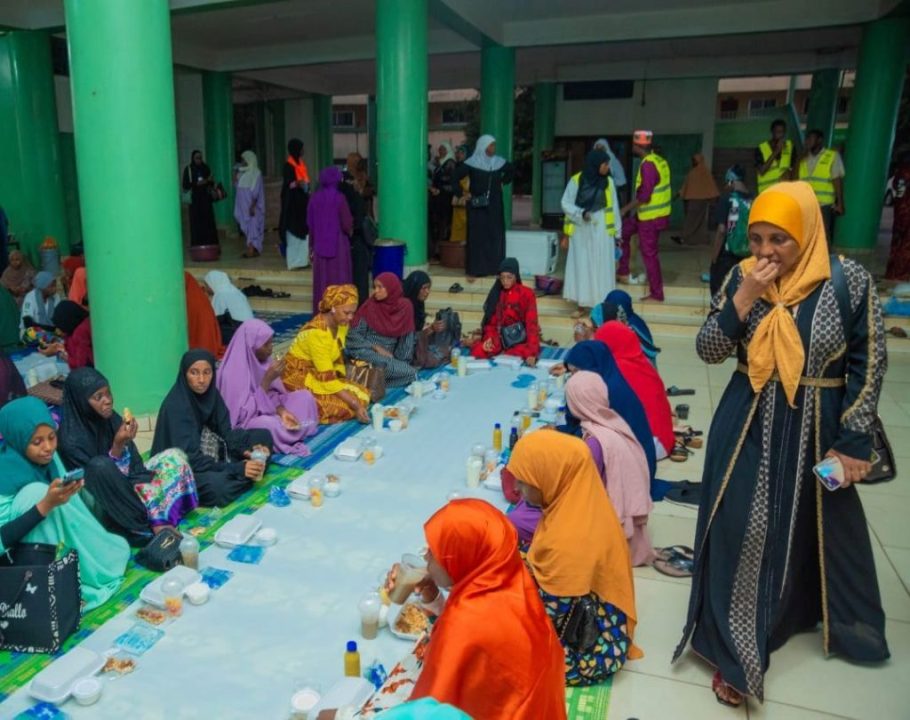
Depending on the area you are visiting, restaurants will be closed during the day, and those that are open will keep their dining areas out of sight. Non-Muslims will find designated areas, including food courts and restaurants, that are open to them during fasting hours.
Source: Diane bora, CC0, via Wikimedia Commons
Can I consume alcohol or smoke during Ramadan?
It depends on the kind of Muslim area you are travelling to. In areas where the community is largely Muslim or unfamiliar with tourists, you won’t be able to buy alcohol, as shops and bars that typically sell these are closed during the month. Finding liquor during Ramadan may even prove impossible.
If it is a mixed community or one used to serving non-Muslim tourist traffic, you might be lucky to find alcohol. Large hotels, resorts, and restaurants that cater to tourists may have a stash they are willing to sell to visitors.
Smoking openly in public is also considered deeply offensive in all Muslim-majority contexts. As with eating in public, it is also advisable to do your drinking and smoking behind closed doors.
How do I dress during the fasting period?
Do not go flaunting your skin this period. Forget crop tops, shorts, and other exposed clothing; they are considered inappropriate during Ramadan. Many Muslim countries expect a certain level of modesty from men and women alike. It is advisable to wear clothes that cover the shoulders and knees, and to avoid revealing or tight clothing, which means you should pack more conservative clothing than usual. Hotels, resort pools, and beaches are different; you can wear your swimsuit unless there is a sign saying otherwise.
What should travelers know about PDAs during Ramadan in Muslim‑majority African countries?
Public displays of affection are generally discouraged in many Muslim countries year-round, but especially during Ramadan. It is best to avoid kissing, hand-holding, or hugging in public.
Can I play loud music, and what kind of entertainment is allowed?
Lahmine advises non-Muslims to remain mindful of noise levels, particularly near mosques during prayer times. Blaring secular or inappropriate music is deeply disrespectful.
Also, depending on where you are, certain types of entertainment venues, such as nightclubs, may be shut. There may be fewer live music events or in-venue entertainment happening during the holy month.
Will I be able to book tours and other activities during Ramadan?
Attractions like museums, art galleries, heritage sites, tours, and other activities will remain available. However, the timing may be adjusted, as businesses may open late or close early to accommodate staff who are fasting.
Are there consequences for non-compliance?
Many non-Muslim travellers wonder if they will actually get in trouble for not complying with the rules. The truth is: it depends on where you are visiting and what you do. Consequences vary by country, as some enforce rules more strictly than others. In warm, tolerant societies, you may get disapproving looks or a polite reminder. In others, you could get fined.
“In Morocco, eating or drinking in public during fasting hours carries legal consequences for locals and can draw noticeable social disapproval in general. For travelers, while the same legal restrictions do not formally apply, we strongly recommend following the same guidelines out of cultural respect and simply to avoid any discomfort. There are plenty of indoor and rooftop restaurants where visitors can dine comfortably without disrupting the local culture.
In other, stricter destinations, fines or short detentions may be imposed on all visitors. As the experience varies significantly by country, we always advise travelers to research the specific regulations or reach out to tourism representatives of their destination before they arrive,” Lahmine explains.
For African Americans and other Black travelers visiting these African countries during Ramadan, it is an opportunity to understand and experience African Muslim culture up close. Before you go, know that certain behaviors are expected of visitors. The least you can do is respect these rules. Do not be that tourist who ends up erring on the side of caution.