
Photo: Facebook | Africa is Home
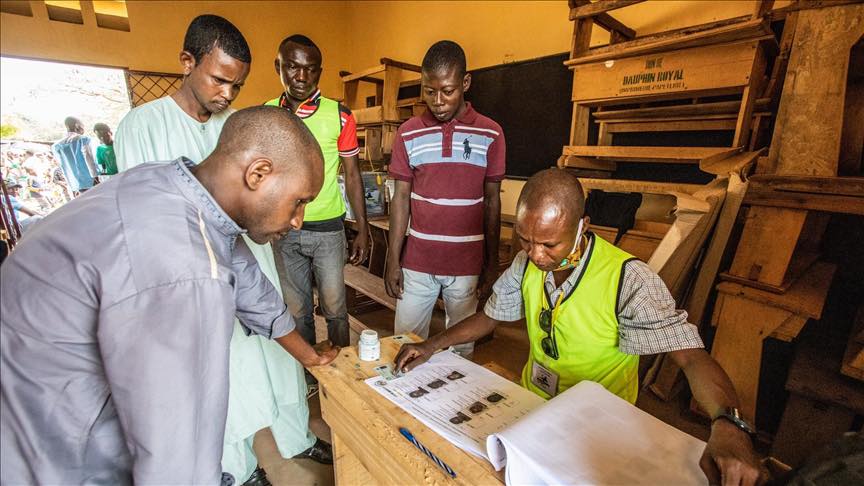
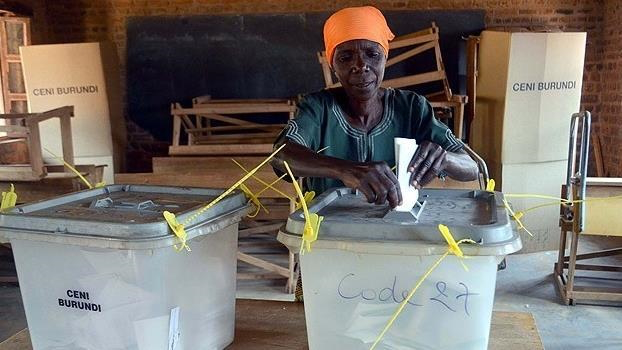
Voters in the Central African Republic will head to the polls on Sunday, December 28, 2025. This general election is the first since the country adopted a new constitution in 2023. That change wiped away term limits and allowed President Faustin-Archange Touadéra to run again. Security is the main worry for voters. United Nations peacekeepers and Russian instructors are guarding major cities, but rebel groups still control large parts of the countryside. Seven candidates are running for president, including two former prime ministers.
Source: Central African Republic to hold general elections Dec. 28
Key Takeaways
- The Date: Voting for President and the National Assembly happens on Sunday, December 28, 2025.
- The President: Faustin-Archange Touadéra is seeking another term.
- The Challengers: The Constitutional Court approved seven candidates. This list includes opposition leaders Anicet-Georges Dologuélé and Henri-Marie Dondra.
- Safety: Peacekeepers from the UN mission (MINUSCA) and Russian security forces will protect polling stations. Rebel activity in rural areas remains a serious threat to voters.
- Why It Matters: A win for Touadéra would cement the power of his party and the new constitution. A disputed result could lead to violence like the country saw in 2020.
Why This Election Matters
This election will test if the Central African Republic can remain stable under its new set of laws. Voters approved a new constitution in July 2023. Opposition leaders say this creates a presidency for life. They worry it undermines democracy in a region where coups are becoming common.
Source: Central African Republic Prepares For Quadruple Elections On December 28
Foreign powers are also watching closely. The current government relies on Russian security partners to stay in power. This partnership has pushed away traditional allies like France. If Touadéra wins, it will likely strengthen Russia’s role in the country. If the election is chaotic or violent, neighbors like Chad and Cameroon worry the fighting will spill across their borders.
The economy is another major issue. Rebel groups control many gold and diamond mines. They use the profits to buy weapons. A fair election could help the government take back control of these resources. A bad election would likely leave these mines in the hands of armed groups and keep the country poor.
Quick Facts
| Metric | Detail |
| Election Date | Sunday, December 28, 2025 |
| What is being decided? | President and National Assembly Deputies |
| Registered Voters | Approximately 2.3 million |
| Who runs the election? | National Elections Authority (ANE) |
| Who wins? | A candidate needs more than 50% of the vote to win in Round 1. If no one gets 50%, the top two face off in a second round |
Who Is on the Ballot
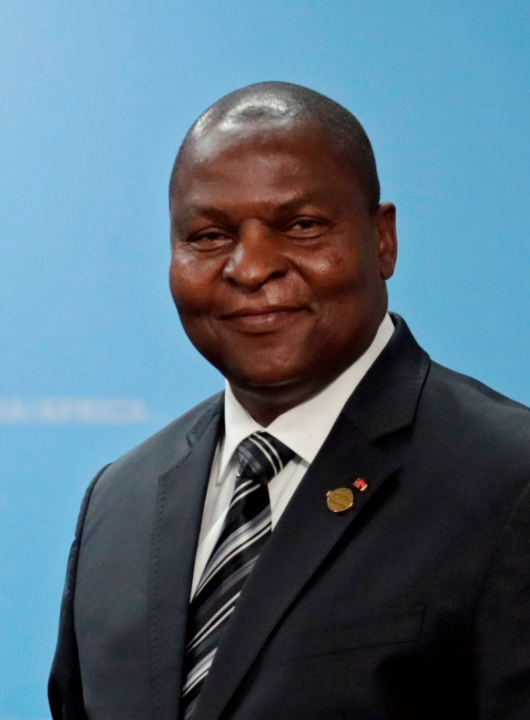
Faustin-Archange Touadéra (United Hearts Movement)
Touadéra is the current president. He was first elected in 2016 and won again in 2020. He says he needs more time to fix the country’s security and roads. His support is strongest in the capital, Bangui.
Source: Wikipedia
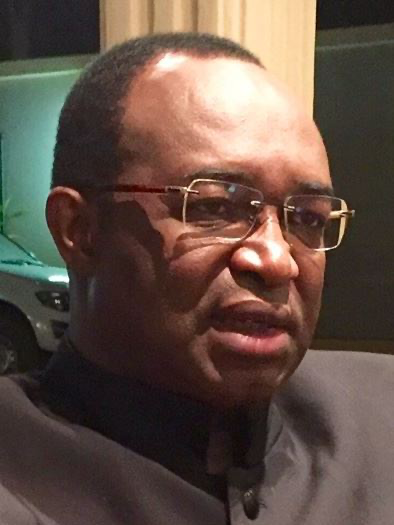
Anicet-Georges Dologuélé (Union for Central African Renewal)
Dologuélé is a former Prime Minister. He came in second place against Touadéra in both 2016 and 2020. He is an economist who wants to repair relationships with Western donors. Some in his coalition wanted to boycott the vote, but he decided to run anyway.
Source: Wikipedia
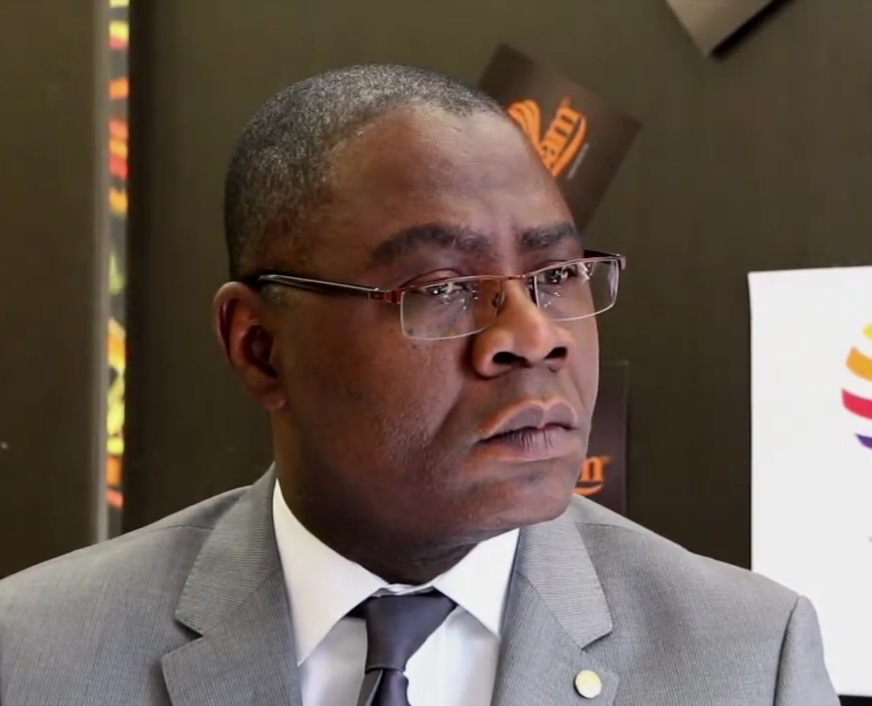
Henri-Marie Dondra (UNIR)
Dondra served as Prime Minister under Touadéra from 2021 to 2022. He left the ruling party to form his own group. He argues that he knows the system from the inside and can fix its failures.
Source: Wikipedia
The Independent Candidates
Four other politicians are running without major party backing. They are Serge Gislan Djory, Aristide Brian Ribois, Eddy Simforian Kabarkuti, and Marcelin Yalimende.
The Ballot
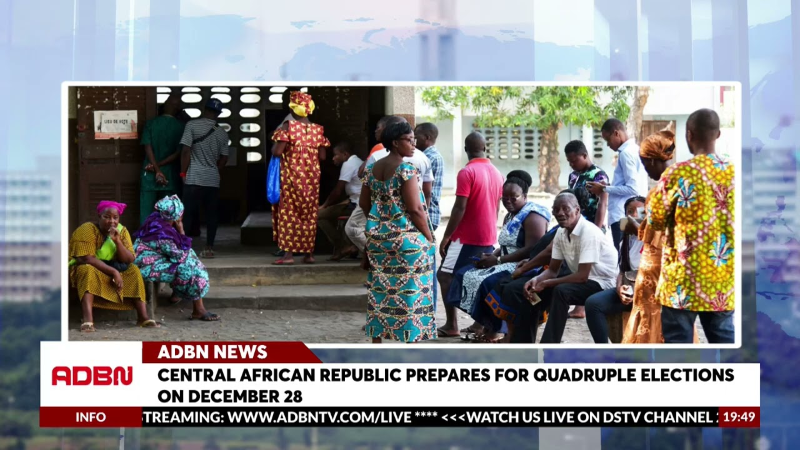
The presidential race is notably crowded, featuring seven approved candidates after several others were rejected for administrative reasons. This large field, combined with the fact that voters must navigate four different types of elections at once, is a recipe for potential chaos at polling stations. While the heavy hitters like Touadéra and former Prime Minister Anicet-Georges Dologuélé dominate the headlines, four other politicians are running without major party backing. These candidates are Serge Gislan Djory, Aristide Brian Ribois, Eddy Simforian Kabarkuti, and Marcelin Yalimende.
The presence of so many names on the ballot can confuse voters, especially in areas with low literacy rates. Opposition leaders are also dealing with internal splits; while some prominent figures like Dologuélé have chosen to run, other factions have called for a total boycott to protest the removal of term limits. This division in the opposition ranks makes a first-round victory for the incumbent much more likely, as the anti-government vote is spread thin across multiple candidates.
Logistical Nightmares and Security
Holding a “free and fair” election in the Central African Republic is a staggering challenge. The National Elections Authority is currently facing a logistical nightmare as it tries to distribute ballots and materials to over 5,000 polling stations across a country with few paved roads. Recent reports indicate that some regional offices are still waiting for basic supplies just days before the vote. The rainy season has only made things worse, washing out dirt tracks and making many rural areas reachable only by helicopter.
Security remains the biggest wildcard. The UN mission, MINUSCA, is tasked with protecting the process, but its resources are stretched thin. Rebel groups belonging to the Coalition of Patriots for Change (CPC) still control significant territory and have a history of attacking polling places to disrupt the democratic process. For a vote to be truly inclusive, the government must ensure that citizens in these “red zones” can cast their ballots without fear of retaliation from armed militias.
Campaign Timeline and What to Watch
Key Dates:
- December 26, 2025: Campaigning officially stops. No more rallies are allowed.
- December 28, 2025: Election Day. Polls open at 6:00 AM and close at 4:00 PM.
- December 29 to 31, 2025: Early results will start coming in from Bangui.
- Early January 2026: The elections authority must announce the provisional results.
- Mid-January 2026: The Constitutional Court will validate the final winner.
What to Watch For:
If Touadéra wins more than 50% of the vote in the first round, the election is over. This is the most likely outcome given his control over the state. If the opposition unites and forces a second round of voting, tension will rise. The time between the two rounds is often dangerous. Rebel groups may try to stop voting in the north and east. This would mean people in those areas effectively lose their right to vote.
International and Regional Positions
Regional organizations have taken a pragmatic approach, focusing on the need for the election to proceed on schedule to avoid a power vacuum.
- African Union (AU): The AU Peace and Security Council has commended the country’s progress and called on all member states to provide “financial, technical, and material support” for the December 28 vote. They are deploying an electoral observation mission to monitor the credibility of the polls.
- ECCAS: The Economic Community of Central African States has joined the AU in calling for a “peaceful and inclusive dialogue” but has stopped short of condemning the removal of term limits.
- United Nations: The UN envoy for Central Africa has described the election as a “historic” turning point while warning that funding shortages could hamper the mission’s ability to monitor the vote effectively.
FAQ
When is the election?
The election is on Sunday, December 28, 2025.
Who can run for president?
Seven candidates are approved to run. This includes President Touadéra and opposition leaders Anicet-Georges Dologuélé and Henri-Marie Dondra.
Will many people vote?
It is hard to say. There are about 2.3 million registered voters. However, fear of violence and calls for a boycott might keep people at home.
Is it safe to go there?
No. Governments like the U.S. and France say you should not travel to the Central African Republic. The risk of violence and kidnapping is very high during the election.

Anand Subramanian is a freelance photographer and content writer based out of Tamil Nadu, India. Having a background in Engineering always made him curious about life on the other side of the spectrum. He leapt forward towards the Photography life and never looked back. Specializing in Documentary and Portrait photography gave him an up-close and personal view into the complexities of human beings and those experiences helped him branch out from visual to words. Today he is mentoring passionate photographers and writing about the different dimensions of the art world.


.jpg)
