Image Credit: Instagram | @chrissa.amuah
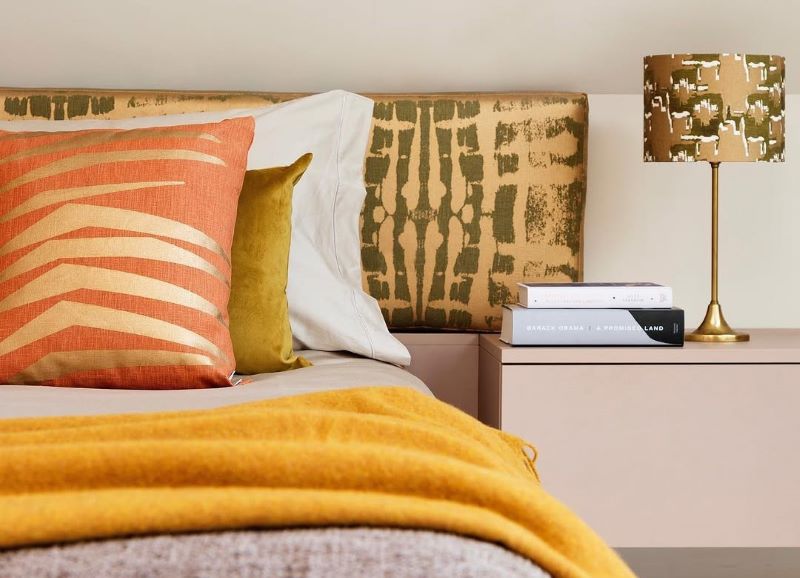
AMWA Designs‘ headboard fabric “Kete Pa”, and lighting “Hwe Mu Dua”
When you walk into a space designed by a culturally fluent interior designer today, you might notice a repeating geometric pattern on a custom room divider or a bold motif stamped onto luxury upholstery. It looks incredibly modern. But these shapes are actually centuries old. They are Adinkra symbols.
Black interior designers across the globe are reclaiming these ancient West African emblems to create spaces that look beautiful and tell a specific, intentional story about heritage and values. We unpacked the cultural and spiritual roots of these motifs in our foundational guide on The Cultural and Spiritual Significance of Adinkra Symbols. In that piece, we explored how the Akan people originally used these designs to communicate profound philosophies. We looked at how they can be used for personal growth and connecting with your ancestry.
Source: iStock
Now, we are taking that conversation a step further. We are looking at how you can apply those exact spiritual principles directly to the physical architecture of your home.
Homeowners are actively seeking ways to weave Sankofa into their interiors to honor their ancestors. They are researching the meaning of the Gye Nyame symbol to bring a sense of spiritual grounding into their living rooms. A deliberate language of design.
This guide will walk you through exactly what these symbols mean, how the best contemporary designers use them, and how you can bring them into your own home ethically and beautifully.
Adinkra symbols originated with the Akan people of Ghana and Côte d’Ivoire. Historically, artisans carved these intricate ideograms into calabash gourds. They would dip the stamps into a dark, natural dye made from the bark of the badie tree and press them onto plain cloth.
These printed fabrics were traditionally reserved for royalty and spiritual leaders to wear during funerals and periods of mourning. The word Adinkra itself translates loosely to “saying goodbye.” However, the symbols represent much more than grief. Each specific design connects to a traditional proverb, a piece of folk wisdom, or a profound philosophical concept. They are a globally recognized visual language that carries generational wisdom across time and geography.
Source: iStock
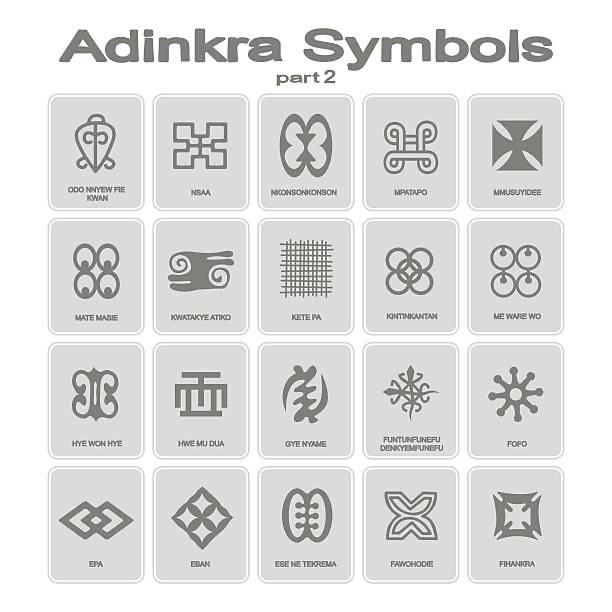
10 Essential Symbols and Their Meanings
If you want to use this visual language in your home, you need to know what the words mean. Here is a breakdown of ten foundational symbols:
- Sankofa: This translates to “return and get it.” It is usually drawn as a bird looking backward while carrying an egg in its mouth, or sometimes as a stylized heart. It means we must look to the past to understand how to move forward.
- Gye Nyame: This means “except for God.” It is a dynamic, asymmetrical shape that represents the ultimate power and immortality of the divine.
- Dwennimmen: This shape looks like a pair of ram’s horns viewed from above. It represents the concept that true strength must be paired with humility.
- Akoben: This is the war horn. It stands for vigilance, readiness, and wariness.
- Aya: This symbol is drawn as a fern. Because the fern can grow in difficult places, it represents endurance and absolute resourcefulness.
- Adinkrahene: This consists of three concentric circles. It is known as the chief of all the symbols and represents leadership, charisma, and greatness.
- Akoma: This is shaped exactly like a modern heart. It stands for patience, tolerance, and goodwill.
- Nyame Dua: This translates to the “Tree of God.” It represents a sacred altar and the constant presence of divine protection.
- Bi Nka Bi: This symbol looks like two fish biting each other’s tails. It means “no one should bite the other” and acts as a powerful symbol for peace and harmony.
- Fawohodie: This represents independence, freedom, and emancipation.
Why They Matter in Modern Black Interior Design
Incorporating Adinkra into a room completely changes the atmosphere. You just installed a statement of values. For many African Americans and members of the global diaspora, the home is a sanctuary. It is a place of safety and self-expression. Using these symbols allows homeowners to bypass generic trends in big-box stores and instead build an environment rooted in their specific ancestry.
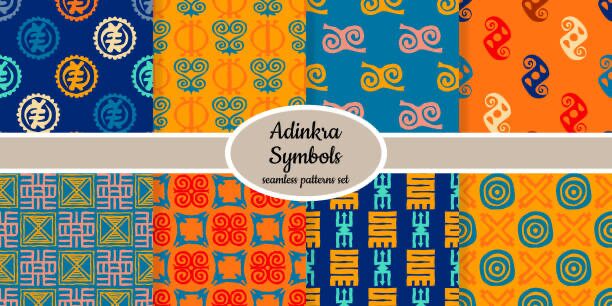
From an aesthetic standpoint, the symbols are incredibly versatile. They are naturally modular; their bold lines and geometric curves make them perfect for modern repeat patterns on wallpaper or ceramic tiles. They work just as well in a sleek, minimalist apartment in New York as they do in a vibrant, sunlit villa in Accra.
Several visionary designers are leading the charge in bringing these ancient proverbs into high-end residential and commercial spaces. The most prominent voice in this space is British Ghanaian designer Chrissa Amuah. She founded AMWA Designs to create luxury textiles and wallpapers that celebrate her heritage.
Amuah frequently speaks about how she abstracts the traditional geometry to fit perfectly into contemporary spaces, while keeping the core proverb intact. Her celebrated collections prove that heritage design belongs in the luxury market.
“They have heritage and cultural currency, it should never be forgotten,” Chrissa Amuah
Meanwhile, in the Ashanti region of Ghana, the village of Ntonso remains the beating heart of traditional production. Local artisan cooperatives continue to use the ancestral calabash stamping techniques. Modern artists frequently collaborate directly with these Ntonso workshops to commission authentic, hand-printed fabrics for custom upholstery and drapery projects.
Source: iStock
How to Incorporate Adinkra in Modern Interiors
Bringing these symbols into your home requires a careful balance. You want the space to feel curated and respectful. Here are the best ways to do it.
Focus on High-Impact Placement: Instead of scattering small prints everywhere, choose one or two areas for maximum visual impact. A feature wall in a dining room, covered in wallpaper featuring the Adinkrahene motif, sets a tone of leadership and gathering. You can also use wood-carved reliefs on custom cabinetry. A thick, tufted area rug featuring a single, oversized Dwennimmen symbol can completely anchor a minimalist living room.
Choose Your Palette Carefully: If you are designing a smaller urban apartment, you might want to blend the patterns with a neutral color palette. Soft creams, warm grays, and deep charcoals allow the symbol’s shape to stand out without making the room feel cluttered. If you have more space and natural light, you can lean into traditional African palettes. Deep indigos, vibrant ochres, and rich terracotta tones honor the natural dyes used in traditional textile making.
The Rules of Respectful Design: You must do your research. Never pick a symbol just because you think the shape looks cool. You need to understand the proverb behind it.
Do not trivialize sacred emblems. For example, Gye Nyame is a deeply spiritual marker. It belongs on a beautiful piece of wall art or a carved wooden mantlepiece. It does not belong on a welcome mat where people will wipe their muddy shoes. Always treat the symbols with the reverence they command in their native culture.
If you want to use Adinkra in your home, you have an ethical obligation to source responsibly. Whenever possible, buy directly from the source. Look for verified fair trade cooperatives that work directly with artisans in Ghana. Support Black owned design studios like AMWA Designs. If you are shopping for art or home goods, check out the museum stores at institutions dedicated to African heritage, as they typically vet their suppliers for ethical practices.
Making a Respectful Textile Accent
If you want a personal connection to this craft, you can create your own custom table runner at home. You will need a strip of natural linen, black fabric ink, and a high-density linoleum block. Choose a symbol that fits the mood of your dining room. The Bi Nka Bi symbol is an excellent choice for a family table because it promotes harmony and peaceful conversation.
Carve the symbol carefully into the linoleum block. Roll an even layer of ink onto the stamp and press it firmly onto the linen in a repeating grid. Once the ink dries, set it with a hot iron. You now have a custom piece of decor with genuine meaning. If you share photos of your project online, always mention the Akan origins of the design to help educate others.

Anand Subramanian is a freelance photographer and content writer based out of Tamil Nadu, India. Having a background in Engineering always made him curious about life on the other side of the spectrum. He leapt forward towards the Photography life and never looked back. Specializing in Documentary and Portrait photography gave him an up-close and personal view into the complexities of human beings and those experiences helped him branch out from visual to words. Today he is mentoring passionate photographers and writing about the different dimensions of the art world.