
Photo by Craig Adderley
Why We Need to Abandon the New Year, New Me Pressure
It is already November, which means we have only a few weeks left until January first arrives, carrying that tremendous, collective weight of mandatory self-improvement. We transition immediately from the exhaustion of the holiday season, the spending, the travel, the social performance, straight into the aggressive demand for a “New Year, New Me.” This cultural imperative insists that we must instantly pivot from burnout to absolute optimization, but honestly, I think this pressure is a psychological trap. We feel a sense of guilt for not being productive enough during the holidays, and we channel that guilt into unrealistic, unsustainable resolutions that are designed to fail by February. This cycle is not motivating; it is punishing.
The core problem is the underlying assumption that we can reboot our lives instantly. The commercial world thrives on this idea, flooding us with advertisements for extreme diets, aggressive fitness plans, and financial overhauls. This approach ignores the reality of human behavior, which favors small, consistent changes, and it discounts the sheer fatigue we carry into the new year. Psychologically, attempting a radical overhaul while still recovering from the previous two months of stress sets us up for defeat. When we inevitably fail to maintain the extreme resolution, the resulting shame is far worse than if we had simply maintained a slow, sustainable pace. This phenomenon is why gyms are packed in January and empty by March; it is a sprint culture demanding patience.
The pressure is compounded by the larger, ongoing culture of perpetual self-optimization. We are constantly told we must be better, faster, and more efficient in every area of life, our sleep, our finances, our side hustles, and our relationships. The New Year’s resolution simply intensifies this existing burden. It turns self-care into another demanding project to be managed and maximized. Instead of seeking genuine rest and sustained wellness, we trade one form of exhaustion (the holiday rush) for another (the relentless pursuit of perfection). We need to ask ourselves if we are pursuing these aggressive goals because we genuinely desire them, or because we are simply conforming to a cultural narrative that equates personal value with maximum output.

Image: iStock Photos
The real rebellion against this cycle is simple: We must define progress on our own terms. Instead of creating sweeping, terrifying resolutions, we should focus on Gentle Progress. This means choosing two or three small, non-aggressive habits that can be sustained throughout the entire year, even when life becomes difficult. This approach requires rejecting the notion that massive, immediate change equals success. Success is found in the slow, almost boring commitment to consistency.
It is about understanding that January first is just another day, and it offers the ideal time for reflection, not a forced mandate for transformation. We must permit ourselves to start small, to rest when needed, and to recognize that true, lasting growth is a quiet marathon, not a frantic sprint. Ultimately, the best way to approach the new year is with radical self-compassion. We do not need a new self; we need a more rested, patient, and understanding relationship with the self we already possess. We should grant ourselves the space to move forward thoughtfully, rejecting the pressure to perform and choosing instead to prioritize sustainable wellbeing.
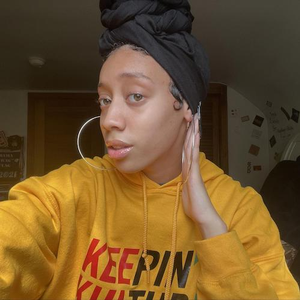
Kyrah Page is currently a student at Lincoln University. She is also the CEO and founder of her own brand called “Keepin’ It Kultured.” Where she combines art with activism to empower, inspire and educate the Black community. She advocates for change, promotes black positivity, and addresses controversial issues. Kyrah is many things but most importantly she is an activist.