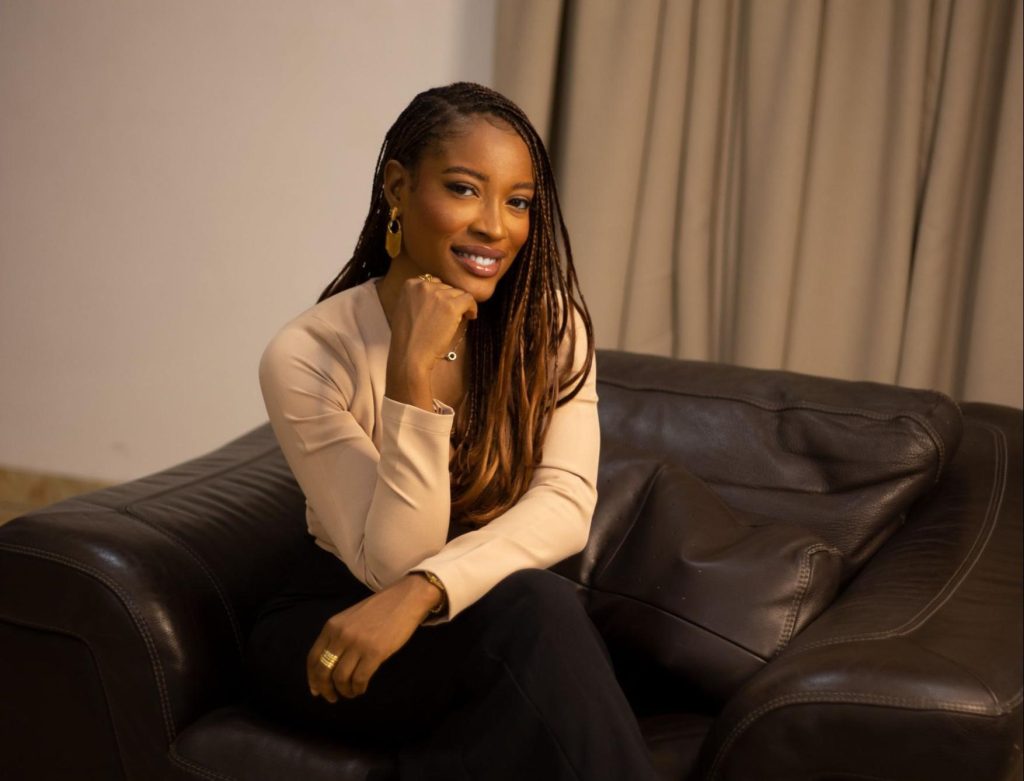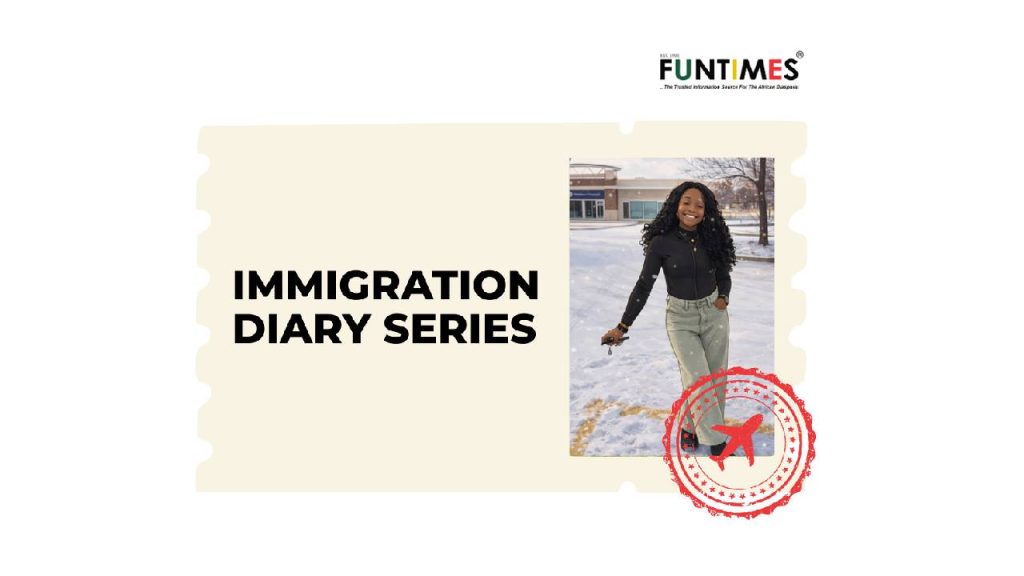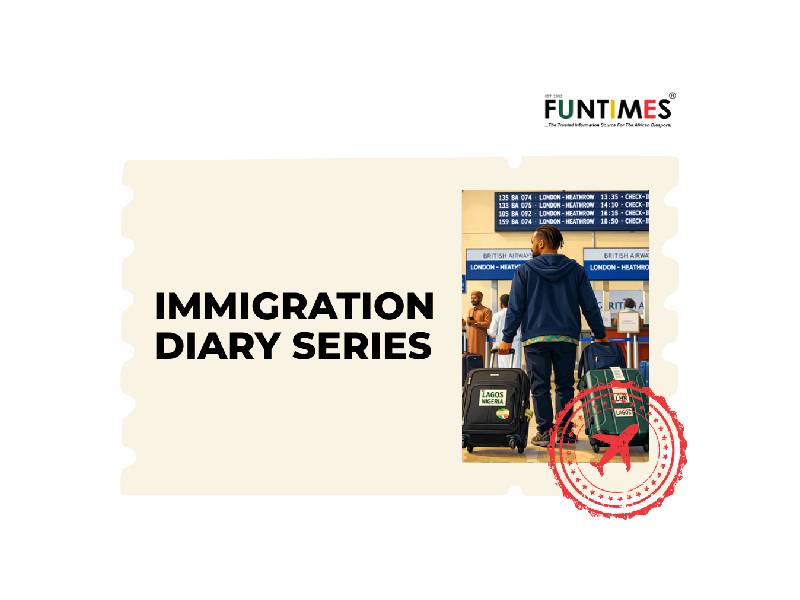

When Amarachi decided to leave Nigeria for Ireland in 2019, it was not out of desperation. She migrated because she was ambitious. When her friend casually mentioned she was earning in a week, twice what Amarachi made in an entire month, something inside her stirred. That moment planted a seed that grew into a bold decision to leave Nigeria. Before COVID hit, she arrived in Dublin with her suitcases, a student visa, and a dream. Today, after surviving student life, warehouse shifts, and a global pandemic, she has permanent residency to show for it and a job she loves.
What inspired you to leave, and why Ireland?
I had already worked for 3 years at a car-tracking company as a customer retention officer and wanted to pursue my master’s. I chose Ireland because I had a friend who was already here. The first place I tried was Germany, and I got admission, but I did not know anybody there. My friend, who had moved to Ireland earlier in the year, advised me to try here. So, I decided to give it a shot and got admitted.
What did you imagine your life there would look like before you arrived, and were your expectations met?
I imagined my life would be better because she had told me what she earned a week, which was like my monthly salary; in fact, it was twice that, so I was very excited. My move was a bit money-motivated. My expectations were not met immediately because I did not work for like 3 months, but when I started, it was worth it.
Describe your first three months in Ireland. Was there any moment that made you realise you were far from home?
I tried to settle in school as I had arrived late and missed some lectures. The weather was cold, which was culturally shocking for me because the temperature was way different from what I was used to back home. The food was different, everything was different, but I was happy that there were a lot of Nigerians to relate with.
The moment it hit me that I was really far from home was when I realized I had to pay my rent every month.
What shocked you most in your first week?
What shocked me most was the cold. It was so cold. I couldn’t believe it. I think the culture was good. I was still eating Nigerian food. The people were very friendly and helpful.
How did you cope with the money side of things, managing bills, fees, and everything in between, while studying?
When I arrived, I started looking for part-time jobs. I did survey jobs, but it was outside in the cold. It was fast money. It wasn’t easy, but I finally got a part-time role. I had to go to school three days a week and work two days. I was limited to 20 hours a week, but the money paid for my rent and upkeep, and I could save. So the money side of things was good.
After you bagged your master’s degree, how easy was it to find a good job?
After my master’s degree, it was, fortunately for me, easy to get a job. I graduated after the lockdown, so things were easing off, and companies were going remote. Luckily for me, this was a good time, and I landed my first job while I was at home. It was fully remote, and I worked at a cryptocurrency organization. It was not that difficult at that time compared to now.
What was your first job in Ireland, and how easy was it to break into the job market?
My first job was during my master’s. I worked in a warehouse where muffins were made. It was a night shift job, 5 pm to 5 am. It was okay for that level then. But my first job after school was a customer support role for the crypto organization. It was very good as my Nigerian qualification actually mattered, and my experience as a customer retention officer also mattered. They had to reach out to my managers for reference.
Discover More Migrant Stories of other Africans abroad.
If you were advising someone moving to Ireland today, what is the one thing you would tell them to do in their first month to improve their job prospects?
To be honest, I feel like if anyone is considering moving here, it has to be a critical-skilled job. They have to do research and understand what’s in the market, because things have changed since I first came. The competition is high now; people are finishing their studies and not really getting sponsorships. It was in 2018 that Ireland opened its borders to foreigners, and now I think they are realizing it is becoming saturated for them, and they are beginning to close their borders, so it is more difficult now.
Recently, people are going back after their 2-year post-study visa. So anybody coming should ensure they are actually studying a strong, very relevant course that will develop their critical skills. Do research on the jobs. There are general-skilled jobs and critical-skilled jobs. They could take a course in critical-skilled jobs, as this may increase their chances of sponsorship.
What stereotype or assumption about Africans/Nigerians have you had to deal with?
So many people think we do not really help ourselves over here. I also do not think they see us as dubious or cunning over here, but there is subtle racism, though not in our faces. I often hear they feel that Nigerians do not like themselves.
What is your favourite and least favourite part of life in Ireland?
The government helps a lot. During COVID, for example, they paid us weekly, even foreigners who came to school. To be honest, I did not expect it. They gave us 350 euros every week, and it’s not like we paid back. It was a pandemic relief, and this went a long way; otherwise, many would have been stranded. Least favorite part, it is expensive, and the housing issue is a lot, but thankfully, that has not been my story.
How has migration reshaped your relationship with your family and friends you left behind?
It has not really affected my relationship in a wrong way. There is also the issue of the Black tax. People often assume you are doing better when you are abroad, which can be draining sometimes.
What do you wish more young Nigerians understood about the preparation, mentally, financially, emotionally, that migration truly requires?
Just do your research, know what works in the country you are going to. Mentally prepare yourself. For me, I like to be positive, and I believe that wherever I go will work for me. But the truth is, there will always be struggles, whether you are back home or abroad. The truth is that all these countries are not so open to migrants. There is still that feeling of ‘you are not at home’, no matter how settled you are.
This is not your country. Always have a backup plan, like anything that happens, I have a place I’m coming from, and that is home. Do not forget that you are a Nigerian and your home is home, but at the same time, have a positive mindset and be open to making new friends. Go with God. Do not go if the Lord has not sent you there.
You have to be independent; nobody is coming to save you. About the issue of the Black tax: if something happens tomorrow and you have nothing to show for your five years, just because you were probably taking care of the whole world, nobody is coming to save you. They would ask you what you have been doing, so put yourself first. As you are looking out for others, also look out for yourself and your future.
Do you think you have “made it,” or are you still grinding and hoping for better days?
I am definitely still grinding, hoping for better days, and pushing myself. I know with consistency, there is room for better days.
Would you marry and settle in Ireland permanently, or do you see yourself eventually going back to Nigeria?
I have my permanent residency, and I’m also working towards getting my full passport. It would be nice to return to Nigeria and set up my business. I mean, the flexibility of a passport makes you settle anywhere. It must not be Nigeria. It must not be Ireland. For me, I like to think the earth is the Lord’s and the fullness thereof, so wherever my feet can touch and go, I am very much open to it, not necessarily Nigeria or Ireland.